
Beautiful Plants For Your Interior
Beautiful Plants For Your Interior
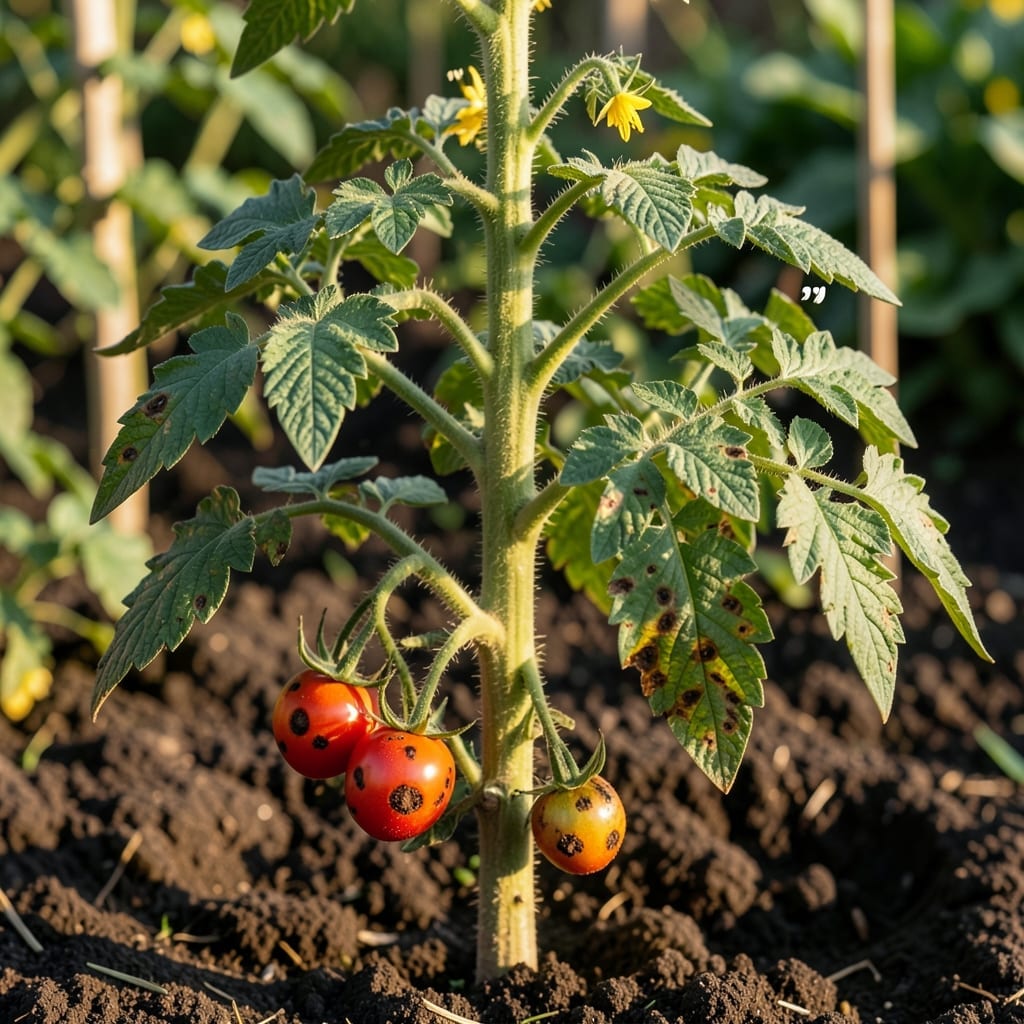
Brown spots on tomatoes ruined my first harvest. I spent weeks nursing those plants, only to watch the leaves turn spotty and the fruit develop unsightly blemishes. It’s frustrating, but the good news is it’s usually fixable.
Most often, it’s early blight or a fungal issue from wet foliage. Sometimes it’s environmental—too much water, not enough air circulation, or even sun scald. The pattern of the spots tells you a lot about the cause.
Once you identify the issue, solutions are simple. Remove affected leaves, improve airflow, adjust watering, or apply a natural fungicide. Prevention is even easier with a few good habits.
Your tomatoes can bounce back—and next season, they’ll be spot-free. Here’s how to diagnose and treat it.
Brown spots on tomatoes can stem from several environmental, biological, or cultural factors. Below are the most common causes, explained with actionable insights.
Cause: A calcium deficiency in the developing fruit, often triggered by inconsistent watering or soil imbalances. The plant struggles to transport calcium to the blossom end, leading to dark, leathery patches.
Science: Calcium is immobile in plant tissues—once deposited, it can’t be redistributed. Drought stress or waterlogged roots disrupt uptake, even if soil calcium levels are adequate.
Cause: Pathogens like Alternaria solani (early blight) or Septoria lycopersici create concentric brown spots on leaves and fruit. These thrive in humid, wet conditions.
Science: Fungal spores spread via water splashes or wind. Once on the plant, they germinate in moisture, penetrating tissues and causing necrotic (dead) spots.
Cause: Overexposure to intense sunlight, especially after pruning or when foliage is sparse. UV radiation bleaches and burns the fruit’s skin.
Science: Tomatoes lack protective pigments in their skin to shield against UV-B rays. Prolonged exposure breaks down cell walls, leading to white-yellow to brown discoloration.
Cause: Bruising from rough handling, hail, or insect bites. Even minor wounds can turn brown as the tissue oxidizes.
Science: When cell walls rupture, enzymes like polyphenol oxidase react with oxygen, forming melanin-like compounds that darken the affected area.
Cause: Excess nitrogen or potassium can disrupt calcium uptake, mimicking deficiency symptoms. Over-fertilization may also cause salt burn, leading to brown, crispy spots.
Science: High soil salinity from fertilizers draws water out of plant roots (osmotic stress), impairing nutrient balance and tissue health.
Tackling brown spots on tomatoes starts with identifying the cause and applying the right fix. Here’s how to address each common issue and keep your plants healthy.
If fungal diseases like early blight or late blight are the culprit, remove infected leaves or fruits immediately to prevent spread. Apply a copper-based fungicide or a homemade remedy like a baking soda spray (1 tsp baking soda + 1 quart water + a few drops of dish soap). Prevention tip: 💡 Improve airflow by pruning excess foliage and watering at the base to keep leaves dry.
For pests like stink bugs or aphids, handpick them off or use neem oil as a natural deterrent. For severe infestations, opt for insecticidal soap. Prevention tip: 🎯 Encourage beneficial insects like ladybugs by planting companion flowers such as marigolds.
Inconsistent watering can lead to blossom end rot or cracking. Water deeply and regularly, aiming for 1–2 inches per week, and use mulch to retain moisture. Prevention tip: ✨ Water early in the morning to reduce evaporation and fungal risks.
If brown spots stem from calcium or potassium deficiency, amend the soil with lime (for calcium) or a balanced fertilizer. Prevention tip: 🌡️ Test your soil annually and adjust nutrients before planting.
Protect tomatoes from excessive sun by using shade cloth during peak heat hours. Prevention tip: 🌿 Plant in areas with partial afternoon shade if you live in a hot climate.
With these targeted fixes, your tomatoes can bounce back to their vibrant, spot-free best!
Yes, excessive watering can lead to fungal growth and root stress. Both create brown spots on leaves and fruit. Always water at the base and let soil dry slightly between sessions.
Improve airflow by pruning dense foliage, and avoid wetting leaves. Apply copper fungicide or baking soda spray as a preventative. Space plants 2-3 feet apart.
No, they can also result from sun scald, pest damage, or nutrient imbalances. Check for patterns—concentric rings often mean fungal issues, while dry patches may indicate sunburn.
No, it’s a physiological issue caused by calcium deficiency, not a pathogen. However, affected fruit won’t recover, so remove it to redirect nutrients to healthy tomatoes.