
Beautiful Plants For Your Interior
Beautiful Plants For Your Interior
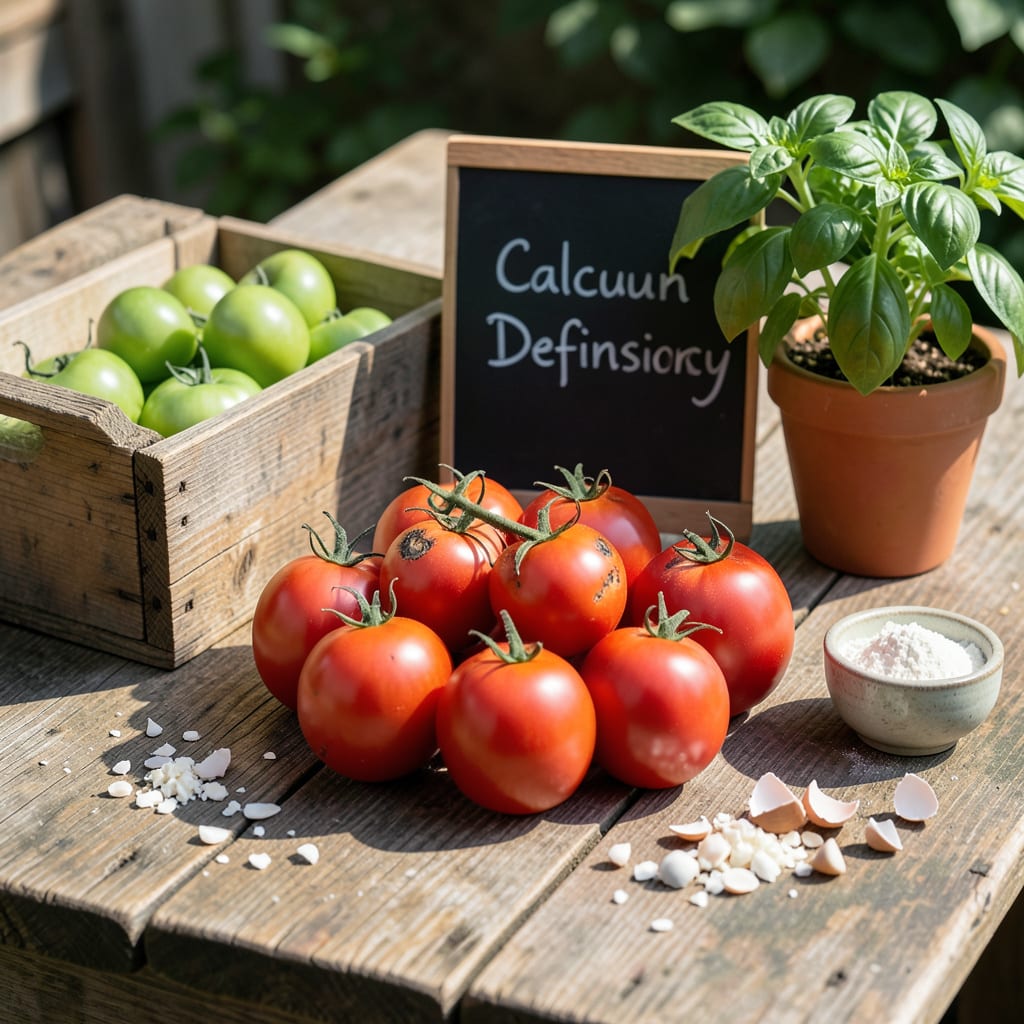
That sunken black spot on your tomatoes isn’t just ugly—it’s a cry for help. End rot hits when calcium can’t reach the fruit, leaving you with ruined harvests just as they’re ripening.
Inconsistent watering is the usual culprit, but sandy soil or pH imbalances can block calcium uptake too. I’ve lost ENTIRE crops to this, and it always stings worst on heirloom varieties.
The fix starts with steady moisture and a soil test. Most cases clear up with crushed eggshells or gypsum, but don’t wait—early intervention saves the rest of your season.
Works for all tomato types, from cherry to beefsteak. Prevention is simpler than you think.
Blossom end rot in tomatoes is primarily triggered by calcium deficiency in the fruit, but the underlying causes go beyond a lack of this nutrient in the soil. Here’s a breakdown of the most common culprits:
The most direct cause is insufficient calcium reaching the developing fruit. While soil may contain calcium, uneven watering or poor root uptake can prevent the plant from absorbing it effectively. Calcium is water-soluble, so inconsistent moisture disrupts its transport to the blossom end of the tomato.
Fluctuations in soil moisture—drought followed by overwatering—stress the plant and hinder calcium absorption. Tomatoes need steady, deep watering (1–2 inches per week) to maintain even nutrient distribution. Dry spells cause calcium to stall in the soil, while sudden saturation can leach it away.
Over-fertilizing with nitrogen or potassium can outcompete calcium for uptake, starving the fruit. High-salt fertilizers also damage roots, reducing their ability to absorb nutrients. Always balance fertilizers and test soil before adding amendments.
Fast-growing varieties or heatwaves (above 90°F/32°C) accelerate fruit development, outpacing calcium supply. Heat stress also reduces water absorption, exacerbating the issue. Mulching and shade cloth can mitigate temperature swings.
Calcium becomes less available if soil pH is too acidic (below 6.0) or too alkaline (above 7.5). Test soil pH and amend with lime (to raise pH) or sulfur (to lower it) to keep it in the optimal range of 6.2–6.8.
End rot can be frustrating, but these targeted fixes will help you save your tomatoes and prevent future issues. Address each cause directly for the best results.
If your tomatoes lack calcium, act fast. Crush eggshells and work them into the soil around the base of your plants for a slow-release boost. Alternatively, use calcium nitrate or gypsum (follow package instructions). For a quick fix, mix 1 tablespoon of calcium chloride in a gallon of water and apply it as a foliar spray. Prevention tip: 💡 Test your soil before planting—aim for a pH between 6.2 and 6.8 to ensure calcium availability.
Tomatoes need 1–2 inches of water per week, delivered consistently. Use drip irrigation or soaker hoses to keep soil moisture even and avoid wetting the leaves. Mulch with straw or shredded leaves to retain moisture and reduce evaporation. Prevention tip: ✨ Water deeply in the morning so plants have time to absorb moisture before the heat of the day.
Fast-growing plants can outpace calcium uptake. Switch to a balanced, slow-release fertilizer (like 10-10-10) and avoid over-fertilizing with nitrogen, which promotes leafy growth at the expense of fruit health. Prevention tip: 🎯 Add compost to your soil at planting to provide steady nutrients.
Extreme heat or cold can disrupt calcium absorption. Use shade cloth during heatwaves and row covers for unexpected cold snaps. Prevention tip: 🌡️ Plant tomatoes in a spot with stable temperatures, and avoid early or late-season planting in unstable climates.
Yes, all types can develop this issue, but heirlooms and large varieties like beefsteaks are most vulnerable. Cherry tomatoes often show resistance due to their smaller size and faster growth.
Cut off the affected area—the rest is safe to eat. The rot only impacts the fruit’s end, not the entire tomato. Always remove at least 1/2 inch beyond the dark spot.
New fruit will show improvement within 1-2 weeks of consistent treatment. Existing affected tomatoes won’t recover, but future ones will benefit from better calcium uptake.
No, this isn’t a disease—it’s a physiological disorder caused by environmental factors. Nearby plants may show similar issues if they share the same soil or watering conditions.
