
Beautiful Plants For Your Interior
Beautiful Plants For Your Interior
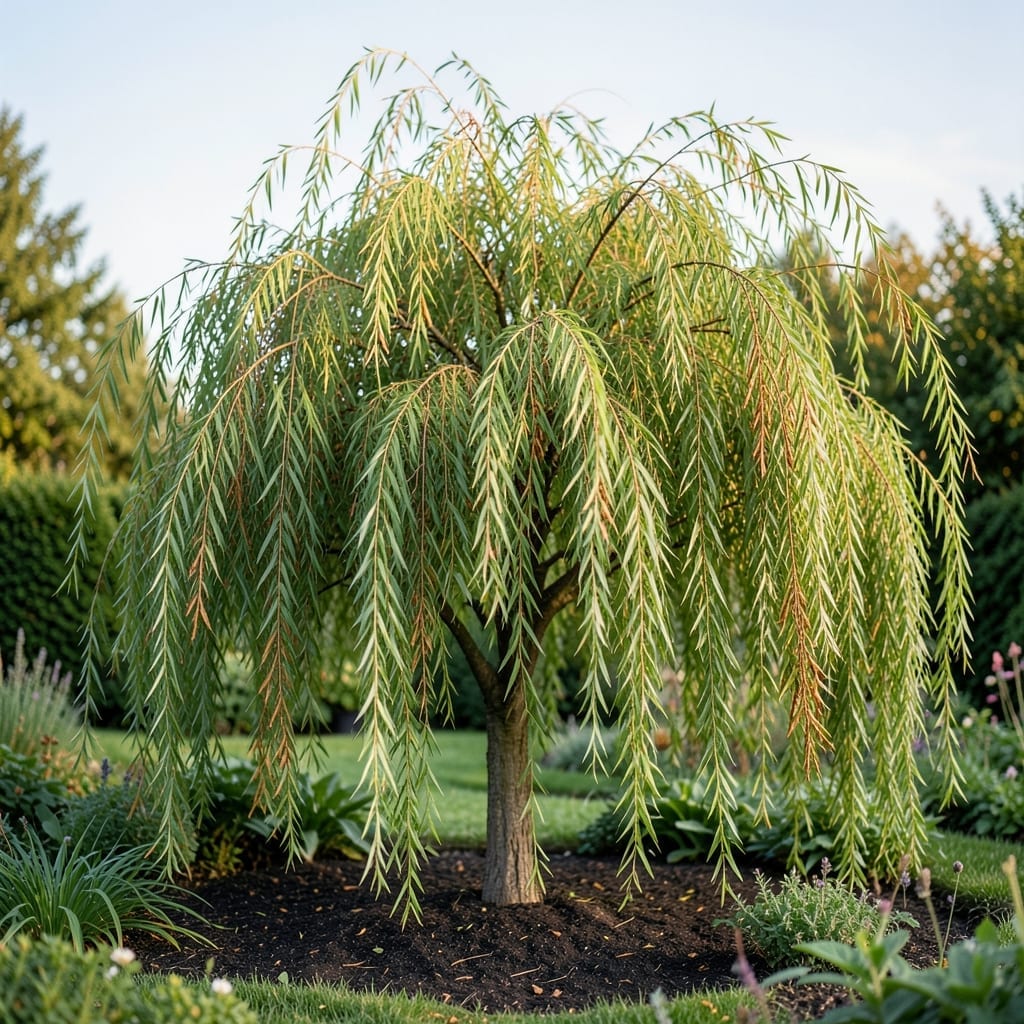
Brown tips on your weeping willow mean it’s crying out for help. I’ve seen this happen when stress hits hard—usually from water issues, pests, or sudden weather swings.
Too much or too little water shows up fast, but pests like aphids or diseases such as leaf blight can sneak in quietly. Even a late frost or salty soil can push those tips over the edge.
First step is to inspect the damage closely. Check the soil moisture, look under leaves for pests, and note any recent changes in weather or care.
The good news? Most cases are fixable with a few adjustments. We’ll walk through the fixes so your willow can bounce back to its graceful, green self.
The browning of weeping willow tips is often a sign of stress, usually tied to environmental or care-related factors. Below are the most common causes, broken down for clarity and actionability.
Weeping willows thrive in consistently moist soil, but both drought and waterlogging can turn tips brown. Underwatering starves roots of hydration, while overwatering suffocates them, blocking nutrient uptake. Check soil moisture 2 inches down—it should feel like a damp sponge.
Sudden frost or heatwaves shock the tree, damaging tender new growth. Willows are hardy in USDA zones 4–9, but late spring frosts or scorching summer days can crisp leaf tips. Mulch heavily in winter and provide afternoon shade in hot climates.
Pathogens like Willow Blight (Venturia saliciperda) or Leaf Spot thrive in wet, humid conditions. Look for blackened veins or spotted leaves alongside browning. Prune infected branches immediately and apply copper fungicide preventatively.
Weeping willows prefer slightly acidic to neutral soil (pH 6.0–7.5). Alkaline or saline soils disrupt nutrient absorption, leading to tip burn. Test soil pH and amend with sulfur (to lower pH) or gypsum (to reduce salt buildup).
A lack of magnesium or potassium often manifests as browning edges. Yellowing between veins? That’s magnesium deficiency. Use a balanced fertilizer (10-10-10) or Epsom salt (for magnesium) in early spring.
If your weeping willow’s tips are turning brown, act fast to restore its health. Below are targeted fixes for common causes, paired with prevention tips to keep your tree thriving.
Too much or too little water can stress the tree. Fix: Check soil moisture 2 inches deep—it should feel damp but not soggy. Water deeply once a week during dry spells, and ensure good drainage to avoid root rot. Prevent: Mulch around the base (3–4 inches deep) to retain moisture, but keep mulch away from the trunk.
Weeping willows prefer slightly acidic to neutral soil (pH 6.0–7.0). Fix: Test your soil with a kit, and amend with compost or peat moss if it’s too alkaline. For compacted soil, aerate gently around the roots. Prevent: Replenish organic matter annually to maintain fertility.
Brown tips may signal fungal diseases like willow blight. Fix: Prune infected branches (sterilize tools with rubbing alcohol!) and dispose of debris far from the tree. Apply a copper-based fungicide as directed. Prevent: Improve air circulation by thinning dense foliage and avoiding overhead watering.
Aphids, borers, or scale insects can weaken the tree. Fix: Spray affected areas with insecticidal soap or neem oil (early morning or late evening). For severe infestations, consult an arborist. Prevent: Encourage beneficial insects (like ladybugs) and inspect leaves regularly.
Extreme heat, frost, or wind can scorch tips. Fix: Provide temporary shade during heatwaves or wrap young trees in burlap for winter protection. Prevent: Plant in a sheltered spot and water consistently during temperature swings.
💡 Pro Tip: Always sanitize pruning tools between cuts to avoid spreading disease!
Water deeply once a week during dry spells. Check soil 2 inches down—it should feel damp but not soggy. Adjust frequency based on rainfall and temperature.
Yes! Prune damaged branches back to healthy growth. Ensure proper watering, soil conditions, and pest control. New growth should appear within 4-6 weeks.
They thrive in slightly acidic to neutral soil (pH 6.0-7.5). Amend with compost for nutrients and peat moss if soil is too alkaline. Always test pH first.
Improve air circulation by thinning dense foliage. Avoid overhead watering and clean up fallen leaves promptly. Apply copper fungicide as a preventive measure.