
Beautiful Plants For Your Interior
Beautiful Plants For Your Interior
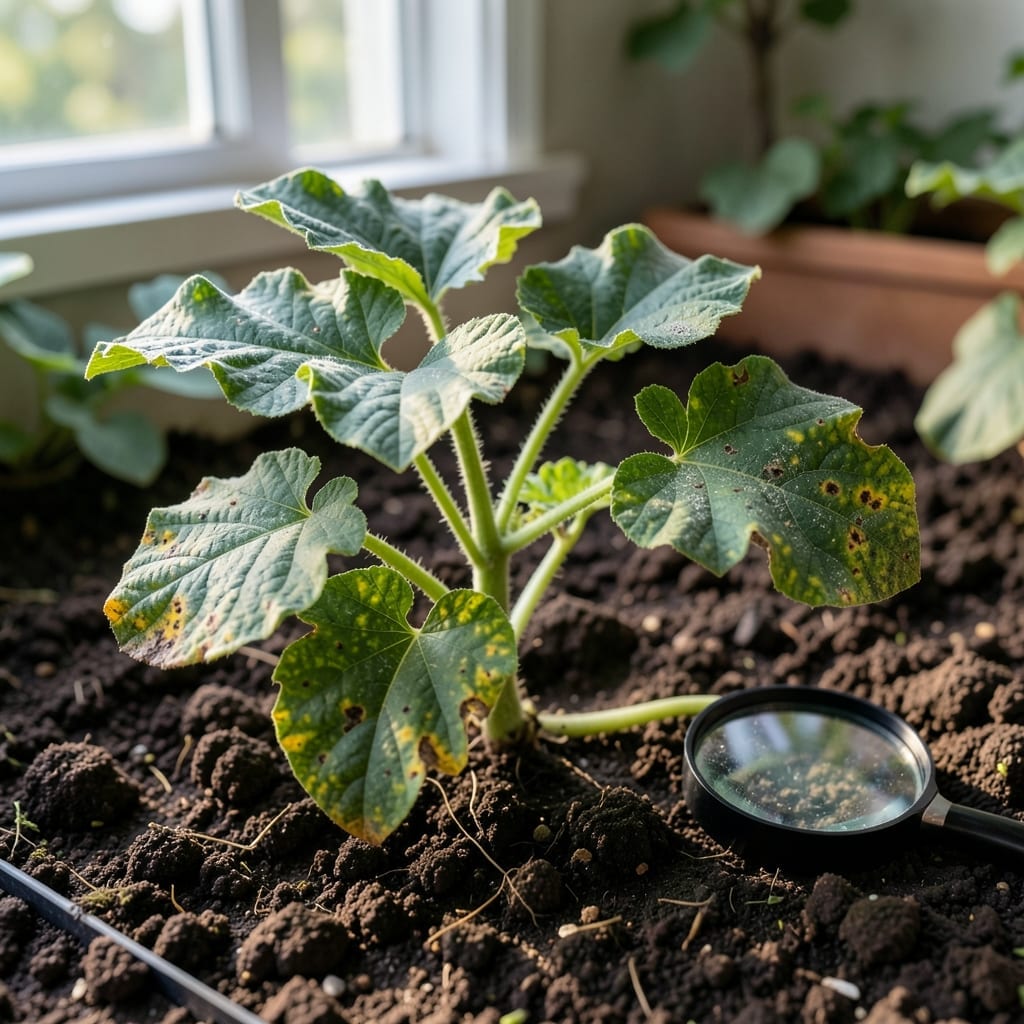
Nothing kills early-season excitement like spotting wilting or discolored watermelon seedlings. I’ve lost entire trays to preventable issues before learning how to catch problems early.
Most seedling diseases announce themselves through subtle changes—yellowing leaves, damp-looking stems, or white powdery spots. The key is acting before these spread to healthy plants.
With simple adjustments to watering, airflow, and soil prep, you can stop diseases before they start. A little vigilance saves weeks of heartbreak.
Works for backyard patches, raised beds, and container setups alike. Here’s what to watch for.
Understanding the root causes of watermelon seedling diseases helps growers implement targeted prevention. Below are the primary factors that create vulnerable conditions for pathogens to thrive.
Seedlings are highly susceptible when planted in waterlogged or compacted soil. Excess moisture reduces oxygen availability, stressing roots and inviting Pythium and Phytophthora fungi. Similarly, nutrient-deficient or overly acidic soil (pH below 6.0) weakens seedlings, making them prone to infections like Fusarium wilt.
Common culprits include Alternaria leaf spot and Anthracnose, which thrive in humid, warm environments (70–85°F). These pathogens spread via contaminated tools, seeds, or splashing water. Bacterial infections, like bacterial fruit blotch, often enter through wounds or poor seed quality.
Excessive irrigation or lack of drainage creates stagnant water around roots, fostering fungal growth. Damping-off diseases (e.g., Rhizoctonia solani) flourish in these conditions, causing seedling collapse. Inconsistent watering also stresses plants, reducing their natural defenses.
Extreme temperatures—cold snaps below 50°F or heat above 95°F—weaken seedlings, making them vulnerable to opportunistic pathogens. Poor air circulation in greenhouses or crowded plantings exacerbates humidity-related diseases like powdery mildew.
Insects such as aphids, cucumber beetles, and whiteflies transmit viruses (e.g., Cucumber mosaic virus) and bacteria while feeding. Their damage also creates entry points for secondary infections.
Early action is key to saving your young watermelon plants. Below are targeted fixes for common seedling diseases, paired with prevention tips to keep your crop thriving.
Fix: Remove infected seedlings immediately to prevent spread. Treat remaining seedlings with a copper-based fungicide or a baking soda spray (1 tsp baking soda + 1 quart water + a drop of dish soap). Improve airflow and reduce soil moisture.
Prevention: Use sterilized seed-starting mix and avoid overwatering. Sow seeds in well-draining trays and maintain a warm, dry environment (70–80°F).
Fix: Spray affected leaves with a neem oil solution (1 tbsp neem oil + 1 tsp dish soap + 1 quart water) or sulfur-based fungicide. Prune heavily infected leaves to improve air circulation.
Prevention: Space seedlings properly to reduce humidity. Water at the base (not overhead) and in the morning to allow foliage to dry quickly. 💡 Pro tip: Rotate crops yearly to disrupt fungal cycles.
Fix: Remove and destroy infected plants to contain the bacteria. Apply copper-based bactericides to healthy seedlings as a protective barrier.
Prevention: Avoid working with wet plants, as bacteria spread easily in moisture. Disinfect tools with rubbing alcohol and use disease-resistant seed varieties when possible.
Fix: Stop watering immediately and let the soil dry out. Repot seedlings in fresh, well-draining soil and trim any black, mushy roots before replanting.
Prevention: Use containers with drainage holes and water only when the top inch of soil is dry. 🌡️ Pro tip: A layer of sand or perlite in the soil mix boosts drainage.
Look for thin, water-soaked stems at the soil line that tople over. Seedlings may also appear stunted with yellowing leaves. Act fast—this fungal disease spreads quickly in wet conditions.
Improve airflow by spacing seedlings 12-18 inches apart. Water at the base in the morning so leaves dry quickly. A weekly neem oil spray can also help deter spores.
Yes! Excess moisture invites damping-off, powdery mildew, and bacterial infections. Always let the top inch of soil dry between waterings.
Look for disease-resistant hybrids labeled as tolerant to Fusarium wilt or anthracnose. These give your crop a stronger start.