
Beautiful Plants For Your Interior
Beautiful Plants For Your Interior
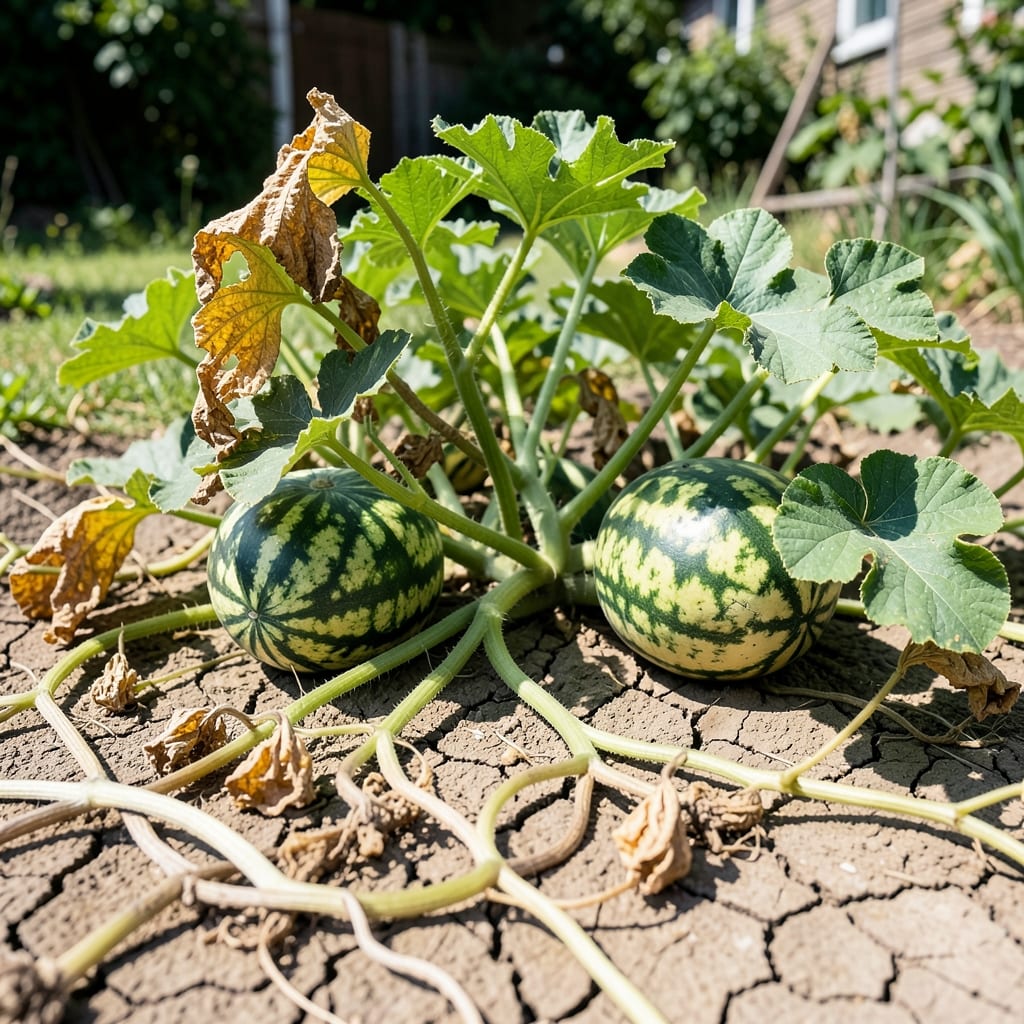
Watching your watermelon vines wither is heartbreaking. I’ve been there—healthy plants one day, yellowing leaves and drooping tendrils the next.
The usual suspects are overwatering, powdery mildew, or hungry pests like cucumber beetles. Each leaves a different calling card: soggy soil, white leaf patches, or chewed foliage.
Most problems fix with simple adjustments—better drainage, targeted spraying, or hand-removing bugs. Your plants can bounce back faster than you think.
Prevention beats cure every time. 30 minutes of weekly checks catches issues early, saving your harvest before it’s too late.
Understanding why your watermelon plant is struggling is the first step to revival. Here are the most common culprits, explained with clear, actionable insights.
Watermelons thrive in warm conditions (70–90°F). Cold snaps below 50°F can stunt growth, while heat above 95°F may scorch leaves or halt fruit development. frost or excessive heat disrupts photosynthesis, starving the plant.
Overwatering leads to root rot by suffocating roots in soggy soil, while underwatering causes wilting and nutrient uptake failure. Watermelons need consistent moisture—1–2 inches of water per week, with well-draining soil to prevent waterlogging.
Common pests like aphids, cucumber beetles, or spider mites sap nutrients and spread diseases. Beetles, for example, transmit bacterial wilt, which blocks water flow, causing rapid decline. Check undersides of leaves for early signs.
Diseases like powdery mildew, fusarium wilt, or anthracnose thrive in humid conditions. Powdery mildew coats leaves in white spores, reducing photosynthesis, while fusarium wilt yellows vines and collapses stems. Copper-based fungicides can help if caught early.
Yellowing leaves (nitrogen deficiency) or stunted growth (lack of phosphorus/potassium) signal poor soil health. Watermelons are heavy feeders—test soil and amend with compost or a balanced fertilizer (e.g., 10-10-10) to restore vitality.
Don’t give up on your wilting watermelon plant just yet! With the right fixes, you can nurse it back to health. Below are targeted solutions for common issues, along with prevention tips to keep your plant thriving.
If your plant’s leaves are yellowing or the soil feels soggy, stop watering immediately. Check the roots for rot—trim any black, mushy roots with clean scissors. Repot the plant in fresh, well-draining soil and ensure the container has drainage holes. Prevention tip: 💡 Water only when the top inch of soil is dry, and use a pot with drainage to avoid waterlogging.
Drooping leaves and dry, crispy edges signal thirst. Give the plant a deep soak at the base, avoiding the leaves. Mulch around the plant to retain moisture. If temperatures are scorching, provide afternoon shade with a cloth or move potted plants to a cooler spot. Prevention tip: ✨ Water consistently, especially during heatwaves, and use mulch to keep soil moist.
Check the undersides of leaves for aphids, spider mites, or beetles. Spray them off with water or use insecticidal soap for severe cases. Introduce beneficial insects like ladybugs for long-term control. Prevention tip: 🎯 Inspect plants regularly and keep the garden free of debris where pests hide.
Yellowing leaves with green veins often indicate a lack of nitrogen or iron. Apply a balanced fertilizer or amend the soil with compost. For iron deficiency, use chelated iron supplements. Prevention tip: 🌡️ Test your soil annually and fertilize as needed to maintain nutrient balance.
With these fixes, your watermelon plant can bounce back stronger than ever!
Yellowing leaves and soggy soil are clear signs. Check roots—if they’re black and mushy, it’s overwatered. Stop watering and improve drainage immediately.
Aphids, cucumber beetles, and spider mites are common culprits. These pests sap nutrients and spread diseases. Check leaf undersides regularly for early detection.
Yes, with prompt action! Address the root cause—adjust watering, treat pests, or amend soil. Most plants bounce back within 1-2 weeks of proper care.
Apply balanced fertilizer after fixing other issues. Wait until the plant stabilizes, then feed every 2-3 weeks during growing season for best results.