
Beautiful Plants For Your Interior
Beautiful Plants For Your Interior
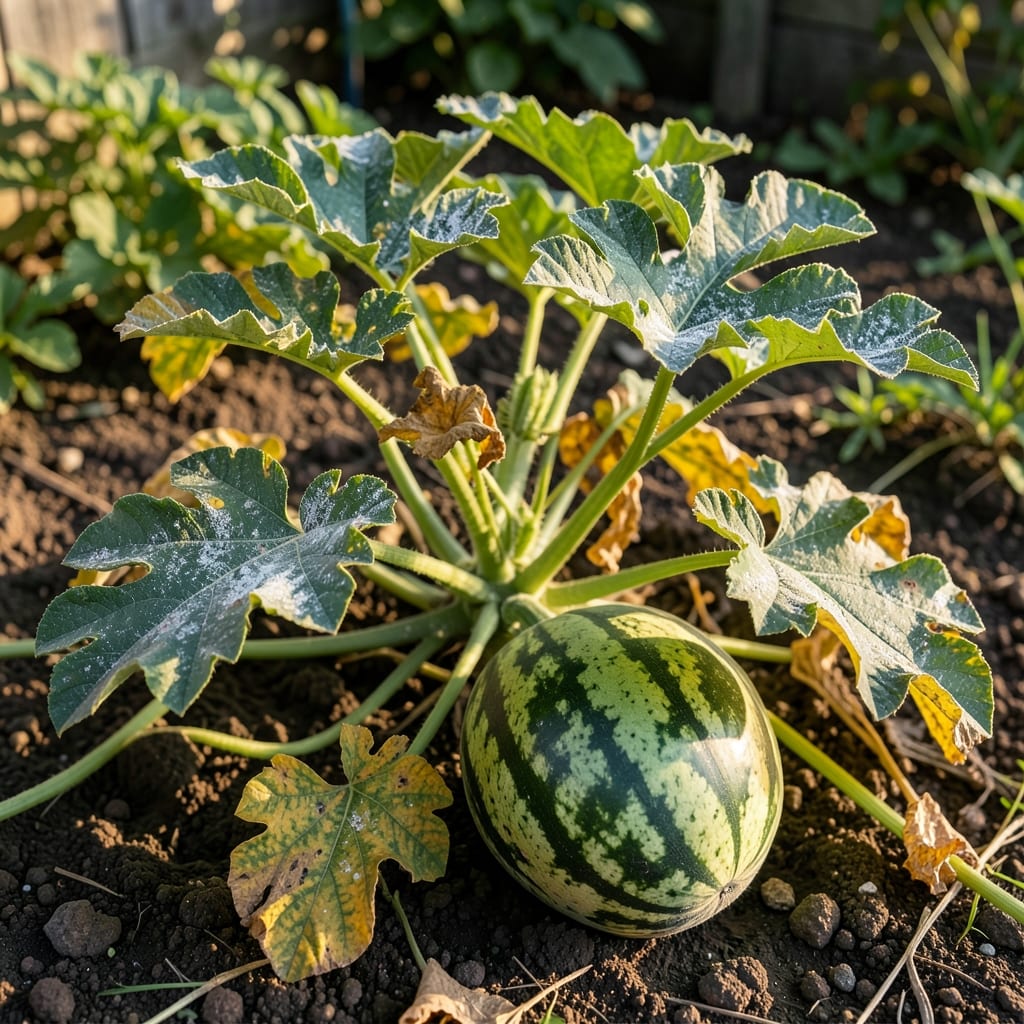
Spotted yellow leaves on your watermelon vines last summer? I lost half my crop to powdery mildew before learning to catch these problems early.
Most diseases announce themselves with visible clues—white powder, dark spots, or wilting leaves—before they spread through your patch. The key is knowing what you’re looking at and acting fast.
With the right knowledge, you can stop common watermelon diseases before they take hold. Early treatment saves plants and your harvest.
This guide helps you identify issues quickly and keep your plants healthy all season long.
Understanding why watermelon plants fall prey to diseases starts with recognizing the underlying causes. These issues often stem from environmental, biological, or cultural factors that create stress or vulnerability in the plant. Below are the primary triggers, broken down for clarity and actionable insight.
Watermelon plants thrive in warm, well-drained conditions. Excessive moisture from heavy rainfall or poor drainage can lead to root rot or fungal infections like Phytophthora blight. Conversely, drought stress weakens the plant, making it more susceptible to pests and diseases such as powdery mildew. Temperature fluctuations, especially cold snaps, can also slow growth and increase vulnerability to pathogens.
Fungal, bacterial, and viral pathogens are ever-present in the soil and environment. Fungal spores (e.g., Fusarium wilt) thrive in wet, humid conditions, while bacteria like Pseudomonas can enter through wounds or contaminated tools. Viruses, often spread by insects like aphids, can cause mosaic patterns or stunted growth. These pathogens exploit weak or stressed plants, so maintaining plant vigor is key to prevention.
Poor farming practices can inadvertently invite disease. Overcrowding reduces airflow, creating a humid microclimate that fosters fungal growth. Improper crop rotation allows soil-borne pathogens to accumulate, while contaminated equipment or seeds can introduce new infections. Even excessive nitrogen fertilization can promote lush, weak growth that’s more prone to disease.
Insects like cucumber beetles and aphids don’t just damage plants directly—they also transmit diseases. For example, cucumber beetles spread bacterial wilt, while aphids can introduce cucumber mosaic virus. Managing pest populations through integrated pest management (IPM) can significantly reduce disease risk.
Tackling watermelon plant diseases early can save your crop. Here’s how to address common issues with practical solutions and prevention tips.
Remove infected leaves and thin out dense foliage to boost circulation. Apply neem oil or a baking soda solution (1 tbsp baking soda + 1 tsp dish soap + 1 gallon water) weekly. Prevention: Space plants 3–4 feet apart and water at the base to keep leaves dry.
Pull and destroy infected plants immediately to stop the spread. Solarize soil by covering it with clear plastic for 4–6 weeks to kill fungi. Prevention: Plant resistant varieties like ‘Crimson Sweet’ and rotate crops yearly.
Cover young plants with floating row covers until flowering. Handpick beetles or apply kaolin clay to deter them. Prevention: Remove garden debris and plant trap crops like radishes nearby.
Apply copper-based fungicides at the first sign of brown spots. Remove and burn infected leaves. Prevention: Avoid overhead watering and keep the garden free of plant debris.
💡 Pro Tip: Healthy soil is your best defense! Mix compost into beds before planting and avoid over-fertilizing with nitrogen, which can encourage leafy (but weak) growth.
Look for yellowing leaves, white powdery spots, or dark lesions on foliage. Wilting vines during the day can also signal a problem. Catching these early gives you the best chance to treat the issue effectively.
For fungal issues, remove infected parts immediately and apply fungicide. Bacterial or viral infections often require removing the entire plant to prevent spreading. Always sanitize tools after handling sick plants.
Improve airflow by spacing plants 3–4 feet apart and water at the base. Use compost to boost soil health and rotate crops yearly. These practices create an environment less favorable to pathogens.
Yes! Varieties like ‘Crimson Sweet’ or ‘Sugar Baby’ have built-in resistance to common issues. While not foolproof, they significantly reduce the risk of infection and often require less intervention.