
Beautiful Plants For Your Interior
Beautiful Plants For Your Interior
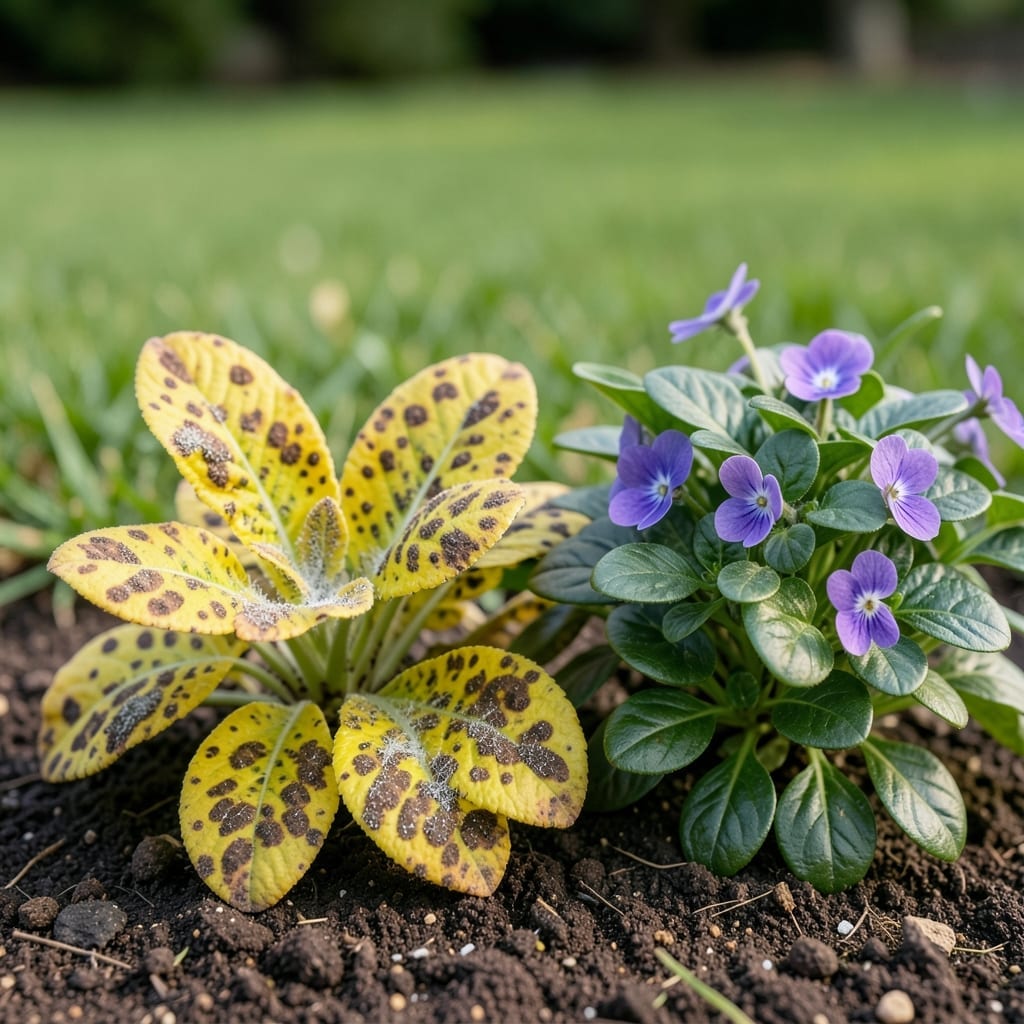
Vinca minor should be the easiest ground cover you grow. I’ve watched mine thrive for years with almost no attention—until last summer, when yellowing leaves and black spots threatened to wipe out a whole section.
Turns out, even the toughest plants have weak spots. Most issues start with too much water, poor air flow, or the wrong soil. Catching problems early means the difference between a quick fix and replacing dead patches.
You’ll learn to spot the 3 most common diseases by their leaf patterns, then treat them with simple organic solutions. The plants bounce back faster than you’d expect.
Prevention is simpler than cure. A few adjustments to watering and spacing keeps your vinca lush and disease-free for seasons to come.
Understanding the root causes of Vinca minor diseases helps you prevent them before they take hold. Below are the primary factors that weaken this hardy ground cover, making it susceptible to infections and decline.
Many Vinca minor diseases, such as Phytophthora root rot and leaf blight, thrive in excessively moist environments. Overwatering, poor drainage, or heavy clay soils create the perfect breeding ground for fungi like Phytophthora and Botrytis. These pathogens attack the roots and foliage, leading to wilting, yellowing, and dieback.
Dense plantings or shaded areas with stagnant air increase humidity around the leaves, promoting fungal spores to germinate. Vinca minor is particularly prone to powdery mildew and leaf spot diseases when airflow is restricted. Pruning and spacing plants properly can mitigate this risk.
While Vinca minor is adaptable, nutrient-poor or compacted soils stress the plant, reducing its natural defenses. Low nitrogen levels may cause chlorosis (yellowing leaves), while high pH soils can lock out essential micronutrients like iron. A soil test can reveal imbalances before they manifest as disease.
Insects like aphids, spider mites, and vine weevils don’t just damage Vinca minor directly—they also spread viral and bacterial diseases as they feed. For example, aphids can transmit virus-induced mosaic patterns on leaves. Regular inspection and organic pest control can break this cycle.
Keeping your Vinca minor healthy starts with addressing common issues promptly. Below are targeted solutions for the most frequent problems, along with prevention tips to keep your ground cover thriving.
If you spot leaf spot or powdery mildew, remove infected foliage immediately to prevent spread. Apply a copper-based fungicide or neem oil spray weekly until symptoms disappear. Prevention tip: Space plants 12–18 inches apart for better airflow, and water at the base to keep leaves dry. 💡 Avoid overhead watering in humid weather.
Aphids, spider mites, or scale can weaken vinca. Blast them off with a strong water spray, then apply insecticidal soap every 5–7 days. Introduce ladybugs or lacewings for organic control. Prevention tip: Keep the area free of debris where pests hide, and inspect plants regularly for early signs. ✨
Yellowing leaves and wilting often signal root rot from soggy soil. Stop watering immediately and let the soil dry out. If the problem persists, repot or transplant into well-draining soil with added perlite. Prevention tip: Ensure planting beds have good drainage, and use raised beds if your soil is heavy clay. 🎯
Scorched leaves or stunted growth may result from extreme heat or cold. Apply a 2-inch layer of mulch to retain moisture and regulate soil temperature. For sunburnt foliage, provide afternoon shade in hot climates. Prevention tip: Plant vinca in partial shade in warmer zones, and water deeply during droughts. 🌡️
Look for yellowing leaves, black spots, or white powdery coating on foliage. Wilting despite moist soil often signals root issues. Early detection makes treatment far easier.
Overwatering and poor airflow create perfect fungal conditions. Space plants 12-18 inches apart and water at the base only. Morning watering allows leaves to dry quickly.
Yes, if caught early. Stop watering immediately and repot in fresh, well-draining soil. Trim affected roots and avoid heavy clay soils.
Use insecticidal soap every 5-7 days or introduce natural predators like ladybugs. Remove debris where pests hide to prevent reinfestation.