
Beautiful Plants For Your Interior
Beautiful Plants For Your Interior
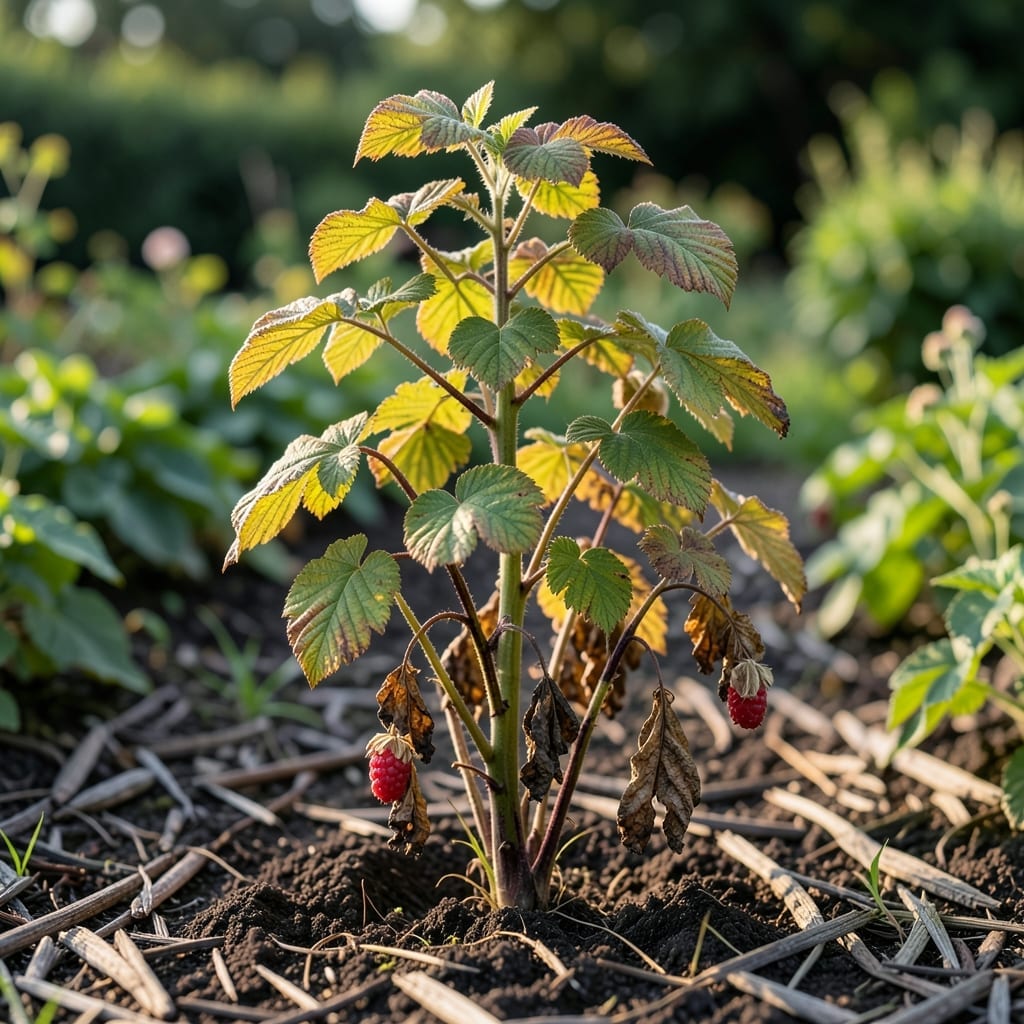
Verticillium wilt nearly destroyed my raspberry patch last summer. The leaves turned yellow, then brown, then crisp—all while the canes wilted from the bottom up.
I learned this soil-borne fungus can lie dormant for years, then strike when conditions are right. The key is catching it early—before it spreads to other plants in your garden.
With the right prevention and treatment, you can save your raspberries. I’ve tested methods that actually work, from resistant varieties to soil management that keeps the fungus in check.
Here’s how to spot it, stop it, and keep your plants healthy for years to come.
Verticillium wilt in raspberries is triggered by a soilborne fungus, Verticillium dahliae or Verticillium albo-atrum, which invades the plant’s vascular system. Below are the primary causes of this destructive disease:
The fungus thrives in contaminated soil or decaying plant material, such as roots or canes from previously infected crops (e.g., potatoes, tomatoes, or strawberries). Raspberries planted in such soil are at high risk, as the pathogen can persist for years.
Excess moisture creates ideal conditions for Verticillium spores to germinate and spread. Waterlogged soil stresses raspberry roots, making them more susceptible to infection. Ensure proper drainage to reduce this risk.
The fungus proliferates in cool to moderate temperatures (60–75°F). Stress factors like drought, nutrient deficiencies, or root damage from cultivation can weaken raspberry plants, giving the pathogen an entry point.
Planting raspberries in the same spot as susceptible crops (e.g., eggplant, peppers) without a 3–5 year rotation allows the fungus to accumulate. Avoid monoculture and rotate with resistant species like grasses or corn.
Pruning shears, shovels, or tractors can spread Verticillium spores if used on infected plants and then on healthy ones. Always sterilize tools with a 10% bleach solution or rubbing alcohol between uses.
Verticillium wilt can be tough on raspberries, but these targeted solutions help turn things around. Address the root causes and protect your plants with practical steps.
If your soil is contaminated, remove the top 6–12 inches of soil from the affected area. Replace it with fresh, well-draining soil or a sterile potting mix. Avoid planting raspberries (or other susceptible crops like tomatoes or potatoes) in the same spot for at least 4–5 years to break the fungal cycle.
Prevention tip: 💡 Rotate crops with resistant plants like corn, grasses, or beans to starve the fungus naturally.
As soon as you spot wilting or discolored canes, prune them immediately with clean, sharp shears. Cut at least 6 inches below the visible damage and dispose of the material in the trash—do not compost. Sterilize your tools with rubbing alcohol between cuts to prevent spreading the fungus.
Prevention tip: ✨ Inspect plants weekly during the growing season to catch symptoms early.
Verticillium thrives in soggy soil. Amend heavy clay soils with organic matter like compost or aged manure to boost drainage. Raised beds can also help keep roots from sitting in water. Aim for soil that feels moist but never waterlogged.
Prevention tip: 🌡️ Use a moisture meter to monitor soil conditions and water only when the top inch is dry.
Stressed raspberries are more vulnerable. Fertilize lightly with a balanced, low-nitrogen formula to avoid excessive tender growth, which attracts disease. Mulch with straw or wood chips to maintain consistent soil moisture and temperature.
Prevention tip: 🎯 Choose resistant raspberry varieties like ‘Nova’ or ‘Boyne’ when replanting.
Look for yellowing leaves that turn brown and crisp, often starting on lower canes. Wilting during cool weather is another red flag, as the fungus blocks water flow in the plant.
Remove and destroy severely infected canes immediately. For mild cases, prune affected areas 6 inches below damage and improve soil drainage. Early action is key.
The pathogen can survive for 4-5 years in contaminated soil. Avoid replanting susceptible crops in the same spot during this period.
Yes! ‘Nova’ and ‘Boyne’ show good resistance. Always choose certified disease-free plants when starting a new patch.