
Beautiful Plants For Your Interior
Beautiful Plants For Your Interior
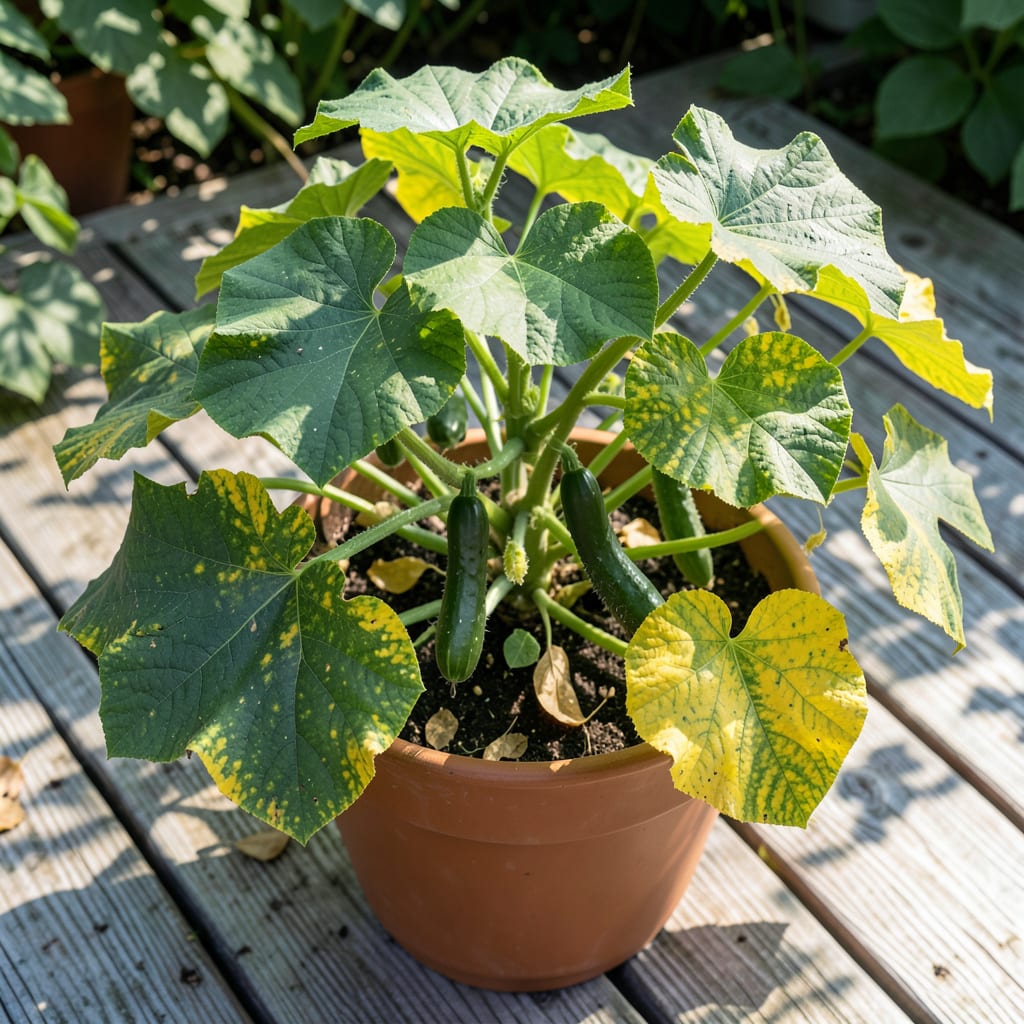
Yellow cucumber leaves hit different when it’s your first big harvest. I’ve watched entire vines turn pale overnight, and the panic is real—but the fix is usually simpler than you think.
The culprit is often hiding in plain sight: hungry roots, thirsty soil, or uninvited guests. Most cases trace back to nitrogen hunger, water stress, or spider mites setting up shop on the undersides.
You can turn it around fast with the right diagnosis. A foliar feed brings back green in 48 hours for nutrient issues, while a sharp spray of water dislodges pests before they multiply.
Early action saves the season. The plants bounce back, and you still get those crisp cucumbers before summer ends.
Understanding why cucumber leaves turn yellow starts with identifying the root causes. Below are the most frequent triggers, each with a clear explanation to help you diagnose the issue.
A lack of essential nutrients like nitrogen, magnesium, or iron can lead to chlorosis (yellowing). Nitrogen deficiency often starts with older leaves turning uniformly yellow, while magnesium deficiency causes interveinal yellowing (yellow patches between green veins). Iron deficiency typically affects younger leaves first, turning them pale yellow or white.
Extreme temperatures, either too hot or too cold, can stress cucumber plants and cause leaf yellowing. Heat stress often leads to scorched edges or wilting, while cold stress slows down nutrient uptake. Additionally, overwatering or underwatering can disrupt root function, leading to poor nutrient absorption and yellow leaves.
Common cucumber pests like aphids, whiteflies, or spider mites sap plant juices, causing leaves to yellow and curl. Fungal diseases such as powdery mildew or downy mildew create yellow spots or patches, often accompanied by a white or grayish fungal growth on the leaf surface.
Bacterial infections, like bacterial leaf spot, can also cause yellowing, often with small, water-soaked spots that turn brown or black over time.
Act fast to bring your cucumber plants back to health with these targeted fixes for the most common causes of yellowing leaves.
If nitrogen, potassium, or magnesium is lacking, apply a balanced fertilizer (10-10-10 or 5-5-5) or a compost tea to restore nutrients. For magnesium, use Epsom salt (1 tbsp per gallon of water) as a foliar spray. Prevention tip: Test soil yearly and amend before planting. 💡
Check soil moisture 1-2 inches down. If soggy, hold off watering and improve drainage by mixing in compost or sand. If dry, water deeply at the base (not leaves) in the morning. Prevention tip: Use mulch to retain moisture and prevent extremes. 🌧️
Blast pests off with a strong water spray, then apply neem oil or insecticidal soap. For severe infestations, introduce beneficial insects like ladybugs. Prevention tip: Inspect leaves regularly and encourage biodiversity. 🐞
Remove affected leaves and apply a copper fungicide or baking soda spray (1 tsp baking soda + 1 quart water + a few drops of soap). Improve airflow by pruning crowded leaves. Prevention tip: Avoid overhead watering and space plants properly. ✨
If leaves scorch in intense sun, provide afternoon shade with a cloth or relocate pots. For leggy, pale plants, move them to 6-8 hours of sunlight daily. Prevention tip: Observe light patterns in your garden before planting. 🌤️
With proper treatment, nutrient-related yellowing often improves within 2-5 days. For pest or disease issues, recovery may take 1-2 weeks as new healthy growth replaces damaged foliage.
Remove severely damaged or diseased leaves to prevent spread, but leave slightly yellow leaves if the rest of the plant is healthy. They may still recover and contribute to photosynthesis.
Yes, too much fertilizer can burn roots, leading to nutrient uptake issues and yellowing. Always follow package instructions and test soil before applying more.
Not always. Lower leaves naturally yellow as plants mature. But rapid or widespread yellowing usually signals stress that needs attention.
