
Beautiful Plants For Your Interior
Beautiful Plants For Your Interior
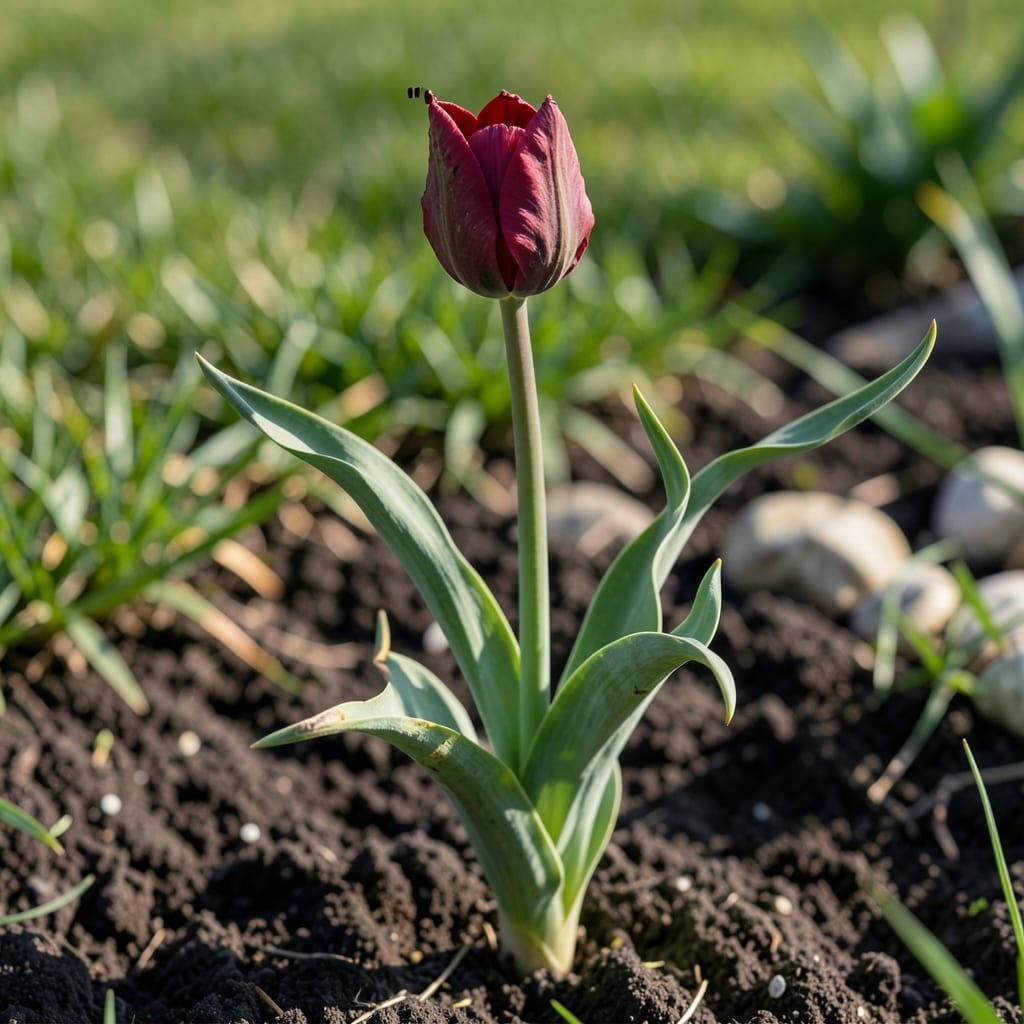
Curled tulip leaves ruin the whole show. I’ve watched healthy plants twist overnight, and the fix is often simpler than you’d think.
Most cases come down to three culprits: thirsty roots, hungry soil, or sneaky pests. Each leaves a distinct mark—dry edges, yellow streaks, or visible bugs.
Catch it early and your tulips will straighten out within a week. The key is matching the symptom to the right solution without overcomplicating it.
Works for potted bulbs, garden beds, or that one stubborn clump by the fence. Here’s how to diagnose and fix it fast.
Tulip leaves curl for several reasons, often tied to environmental stress or disease. Below are the most common causes, explained scientifically to help you diagnose the issue.
When temperatures rise above 75°F (24°C), tulips may curl their leaves to reduce surface area and minimize water loss through transpiration. This is a natural survival mechanism, but prolonged heat can weaken the plant.
Both overwatering and underwatering can cause curling. Too much water suffocates roots, reducing nutrient uptake, while too little triggers dehydration. Tulips prefer consistent moisture—not soggy or bone-dry soil.
Aphids and spider mites suck sap from leaves, causing them to distort and curl as cells collapse. Check the undersides of leaves for tiny pests or webbing. Early intervention with neem oil or insecticidal soap is key.
Tulip fire (Botrytis tulipae) and powdery mildew can lead to leaf curling as infected tissues die. These fungi thrive in wet, humid conditions. Remove affected foliage immediately to prevent spread.
A lack of potassium or magnesium weakens cell structure, causing leaves to curl or cup. Test soil pH (aim for 6.0–7.0) and amend with a balanced fertilizer if needed.
When your tulips show curling leaves, the fix often matches the cause. Here’s how to turn things around:
Move potted tulips to partial shade, especially during peak afternoon hours. In-ground bulbs benefit from a thin layer of mulch to keep roots cool. Water deeply at the base in the early morning to prevent rapid moisture loss.
Prevention: Plant bulbs in spots with dappled sunlight and ensure consistent moisture.
Check soil moisture by inserting your finger 1 inch deep. If dry, water slowly until the top 6 inches are damp. For soggy soil, stop watering immediately and improve drainage by mixing in sand or compost. Let the soil dry out slightly between waterings.
Prevention: Use well-draining soil and pots with drainage holes. A moisture meter can help avoid guesswork.
Inspect leaves for aphids or thrips—tiny bugs that suck sap. Spray them off with a strong stream of water, then apply neem oil or insecticidal soap every 5–7 days until gone. Remove heavily infested leaves to stop the spread.
Prevention: Encourage beneficial insects like ladybugs, and avoid over-fertilizing, which attracts pests.
Remove and destroy (do not compost) affected leaves to prevent spreading. Apply a copper-based fungicide following label instructions. Improve air circulation by spacing plants properly and avoiding overhead watering.
Prevention: Water at the base, keep the garden clean of debris, and rotate planting spots yearly.
Yellowing leaves with curling edges? Feed with a balanced, water-soluble fertilizer (10-10-10) every 2–4 weeks during the growing season. For potash deficiency, use a fertilizer higher in potassium.
Prevention: Amend soil with compost before planting and fertilize regularly for healthy growth.
With proper care, leaves typically begin to uncurl within 3-5 days. Full recovery may take up to 2 weeks depending on the severity of the stress. Consistency in addressing the root cause is key for faster results.
Yes, over-fertilizing can lead to salt buildup in the soil, which stresses the plant and causes leaves to curl. Use a balanced fertilizer and follow package instructions carefully. Always water thoroughly after feeding.
Only remove leaves that are severely damaged or diseased. If the curling is due to environmental stress, leave the leaves to continue photosynthesizing while you address the underlying issue.
If the bulbs remain healthy, they should still bloom next season. However, severe or prolonged stress can weaken the bulbs, potentially reducing flower quality or quantity. Healthy foliage now means better blooms later.