
Beautiful Plants For Your Interior
Beautiful Plants For Your Interior
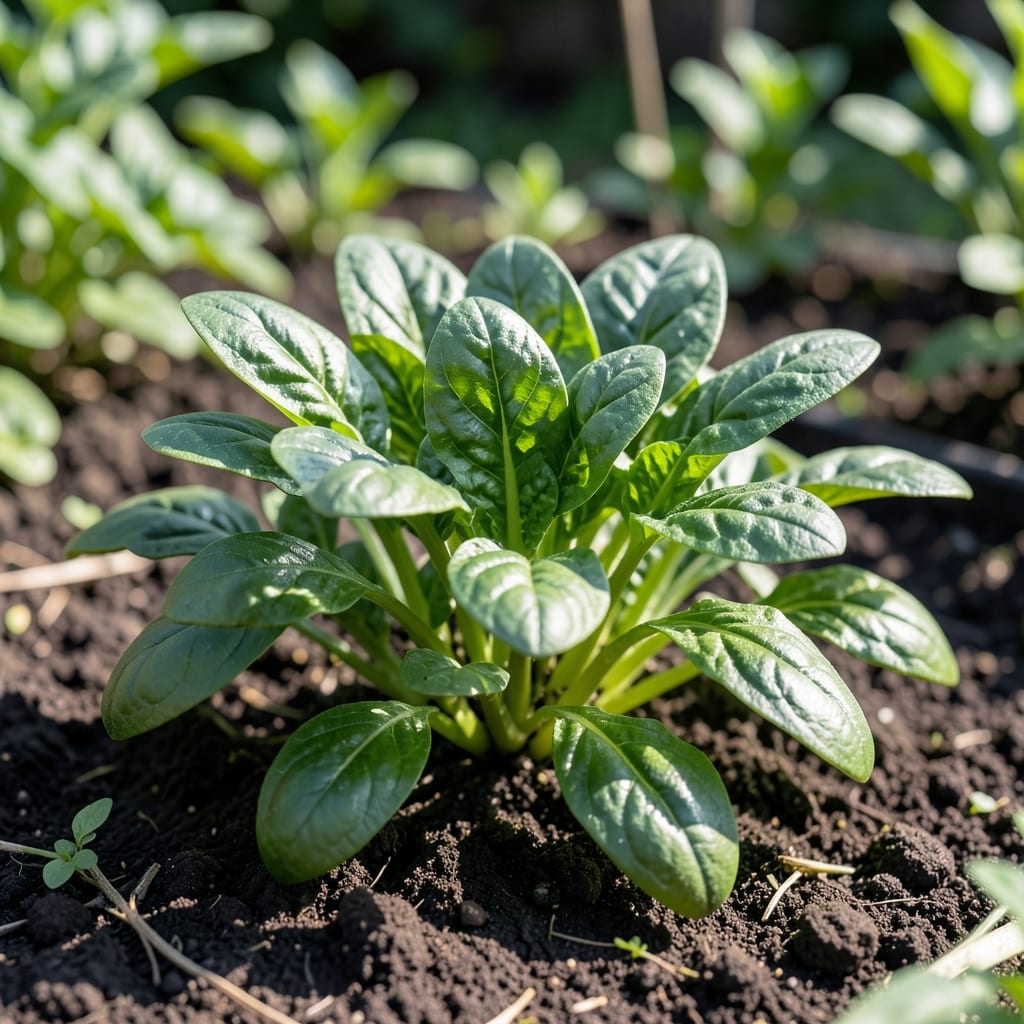
Those jagged triangle leaves in your spinach bed aren’t normal. I first noticed them last season when my plants started looking more like maple seedlings than the smooth, oval leaves I expected.
Turns out, it’s usually a nutrient deficiency—often manganese or zinc—or sometimes a virus. The shape changes early, so catching it fast means saving most of your crop.
Organic fixes work best: compost tea for micronutrients, neem oil for pests, or resistant varieties next season. The key is acting before the plant stresses further.
Check the undersides for pests or yellowing patterns. This guide helps you diagnose and treat it before your harvest suffers.
The triangular distortion of spinach leaves, often called “triangle spinach leaves,” is typically a symptom of viral infection, most commonly Beet Western Yellows Virus (BWYV) or Cucumber Mosaic Virus (CMV). These pathogens disrupt normal leaf development by interfering with cellular processes, leading to the characteristic triangular or pointed shape instead of the usual broad, oval form.
The primary cause of viral spread is aphid feeding. These tiny insects act as vectors, carrying the virus from infected plants to healthy ones. As they pierce leaf cells to feed, they inject the virus directly into the spinach’s vascular system, where it replicates and alters growth patterns. Aphids are especially active in mild weather, making early spring and fall high-risk periods.
In some cases, the virus may already be present in the seed. If infected seeds are planted, the resulting spinach plants can exhibit triangular leaves from the earliest stages. This is less common but highlights the importance of sourcing certified disease-free seeds from reputable suppliers.
While not a direct cause, environmental stressors like drought, poor soil fertility, or extreme temperatures can weaken spinach plants, making them more susceptible to viral infections. Stressed plants have reduced defenses, allowing viruses to take hold and distort leaf growth more easily.
When your spinach starts growing triangle-shaped leaves, it’s usually a sign of a viral or environmental issue. Here’s how to fix the most common causes and keep your crop healthy.
If the triangular leaves are caused by cucumber mosaic virus (CMV) or similar pathogens, the affected plants cannot be cured. Uproot and destroy (do not compost) infected plants immediately to prevent spread. Disinfect tools with a 10% bleach solution. Prevention tip: 💡 Use virus-resistant spinach varieties and control aphids, which often spread the disease.
Triangular or distorted leaves can result from magnesium or boron deficiency. Test your soil and amend it with organic matter like compost or a balanced fertilizer (e.g., 10-10-10). For a quick fix, apply Epsom salt (1 tablespoon per gallon of water) as a foliar spray. Prevention tip: 🌿 Rotate crops annually and enrich soil before planting.
Inconsistent watering can stress spinach, leading to misshapen leaves. Ensure 1–1.5 inches of water per week, delivered at the base to avoid wetting the foliage. Use drip irrigation or soaker hoses for even moisture. Prevention tip: 💧 Mulch around plants to retain soil moisture and reduce evaporation.
Aphids and leafminers can deform new growth, causing triangular or curled leaves. Spray plants with neem oil or insecticidal soap (1 tbsp per quart of water) every 5–7 days. Introduce beneficial insects like ladybugs or lacewings. Prevention tip: 🎯 Use row covers to block pests early in the season.
Proactive care is key—monitor plants weekly and act at the first sign of trouble!
It’s best to avoid eating spinach with triangular leaves, as they often indicate a viral infection. Even if the cause is nutritional, the plant is stressed and may not taste good.
Use disease-resistant seeds and rotate crops yearly. Control aphids with neem oil or row covers. Keep soil healthy with compost.
Remove infected plants immediately to stop spread. For nutrient issues, apply Epsom salt spray or balanced fertilizer.
Yes, viral infections from aphids can spread to nearby crops. Isolate affected plants and treat for pests.