
Beautiful Plants For Your Interior
Beautiful Plants For Your Interior
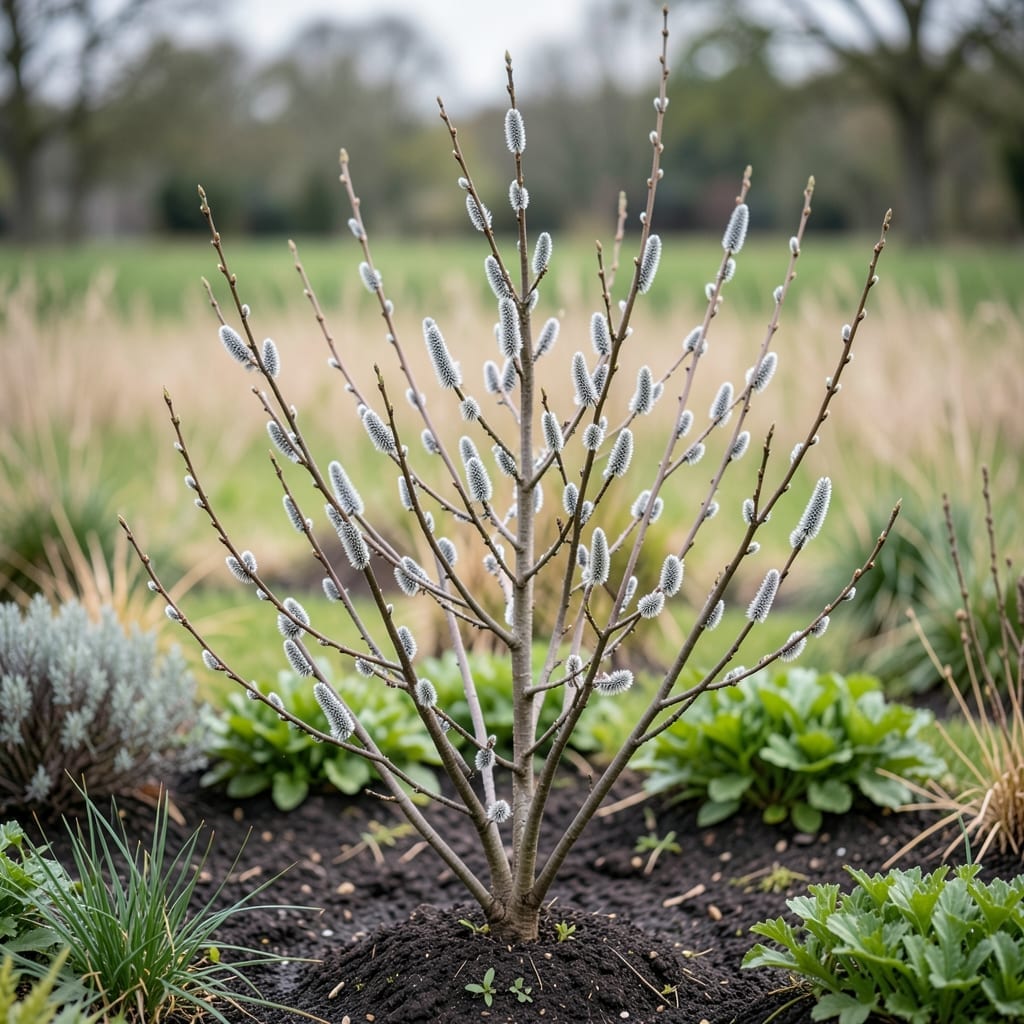
Those soft, fuzzy buds catching your eye aren’t just pretty—they’re nature’s way of protecting new growth. I’ve spotted this on magnolias, pussywillows, and even some oaks, each with its own unique texture and purpose.
Spring is the best time to notice them, when trees are prepping for their big seasonal push. The fuzz often shields delicate buds from cold snaps or hungry insects, giving the tree a better shot at thriving.
Identifying these trees is easier than you think. Look for the soft, velvety coating on buds or young leaves, and you’ll start spotting them everywhere in your neighborhood.
With the right care, these trees reward you with stunning blooms or vibrant foliage that make them stand out in any landscape.
Fuzzy buds on trees are a fascinating natural phenomenon, often signaling specific environmental or biological triggers. Here’s a breakdown of the most common causes:
Some tree species, like Magnolia or Pussy Willow, naturally develop fuzzy buds as part of their genetic makeup. These fine hairs, called trichomes, act as insulation, protecting delicate bud tissues from frost, excessive moisture, or UV radiation. This adaptation is especially common in trees native to colder climates.
Trichomes can deter herbivores and pests. The fuzz creates a physical barrier or traps tiny insects, reducing feeding damage. In some cases, the hairs may even secrete compounds that repel pests, enhancing the tree’s survival.
Harsh conditions—such as drought, extreme temperatures, or poor soil nutrients—can trigger excessive trichome growth. The tree produces more fuzz to shield buds from stress, ensuring they develop normally despite adverse conditions.
Certain pathogens, like powdery mildew or rust fungi, can induce abnormal hair-like growths on buds. If the fuzz appears unusually dense, discolored, or accompanied by spots, it may signal an infection. Inspect leaves and stems for additional symptoms.
Identifying the cause helps determine whether the fuzz is harmless or requires intervention, such as pruning or treatment.
If your tree is sporting unusually fuzzy buds, don’t panic—there are clear ways to address the underlying causes and restore healthy growth. Below are practical fixes mapped to common triggers, along with prevention tips to keep your tree thriving.
Soggy soil can stress roots and lead to abnormal bud textures. Let the top 2–3 inches of soil dry out between waterings. Use a moisture meter or the finger test to gauge dryness. For potted trees, ensure the container has drainage holes to prevent waterlogging.
Prevention: Water deeply but less frequently, and always empty saucers after watering.
Woolly aphids or mites often cause fuzzy-looking buds. Wipe buds gently with a cotton swab dipped in rubbing alcohol to remove pests on contact. For larger infestations, apply insecticidal soap or neem oil, following label instructions. Avoid harsh chemicals that may harm beneficial insects.
Prevention: Inspect your tree weekly, especially under leaves. Introduce natural predators like ladybugs to deter pests.
Extreme temperatures or low humidity can trigger fuzzy bud formation. Move potted trees to a spot with stable temps (60–75°F) and indirect light. Use a humidifier or pebble tray to boost moisture for tropical species.
Prevention: Shield trees from drafts, heaters, or AC vents. Group plants together to create a microclimate.
Too much nitrogen can cause excessive, abnormal growth. Switch to a balanced, slow-release fertilizer (e.g., 10-10-10) and reduce frequency. Yellowing leaves may signal a magnesium deficiency—add Epsom salt (1 tbsp/gallon of water) monthly.
Prevention: Test soil annually and fertilize only during active growing seasons (spring to early fall).
With these targeted fixes, your tree’s buds should return to their natural state. Consistency in care is key—observe, adjust, and enjoy the process! 🌳✨
Magnolias and pussywillows are the most well-known. You’ll also spot fuzzy buds on some oaks, catalpas, and even certain fruit trees like peaches.
Excessive trichomes often appear due to environmental stress like drought or temperature swings. It’s the tree’s way of protecting sensitive new growth.
Not always. If the fuzz looks dense, discolored, or appears with spots, it may indicate a fungal infection. Healthy fuzzy buds are uniform and match the tree’s typical appearance.
Late winter to early spring is ideal. This is when trees prepare for new growth, and the protective fuzz is most visible before leaves emerge.