
Beautiful Plants For Your Interior
Beautiful Plants For Your Interior
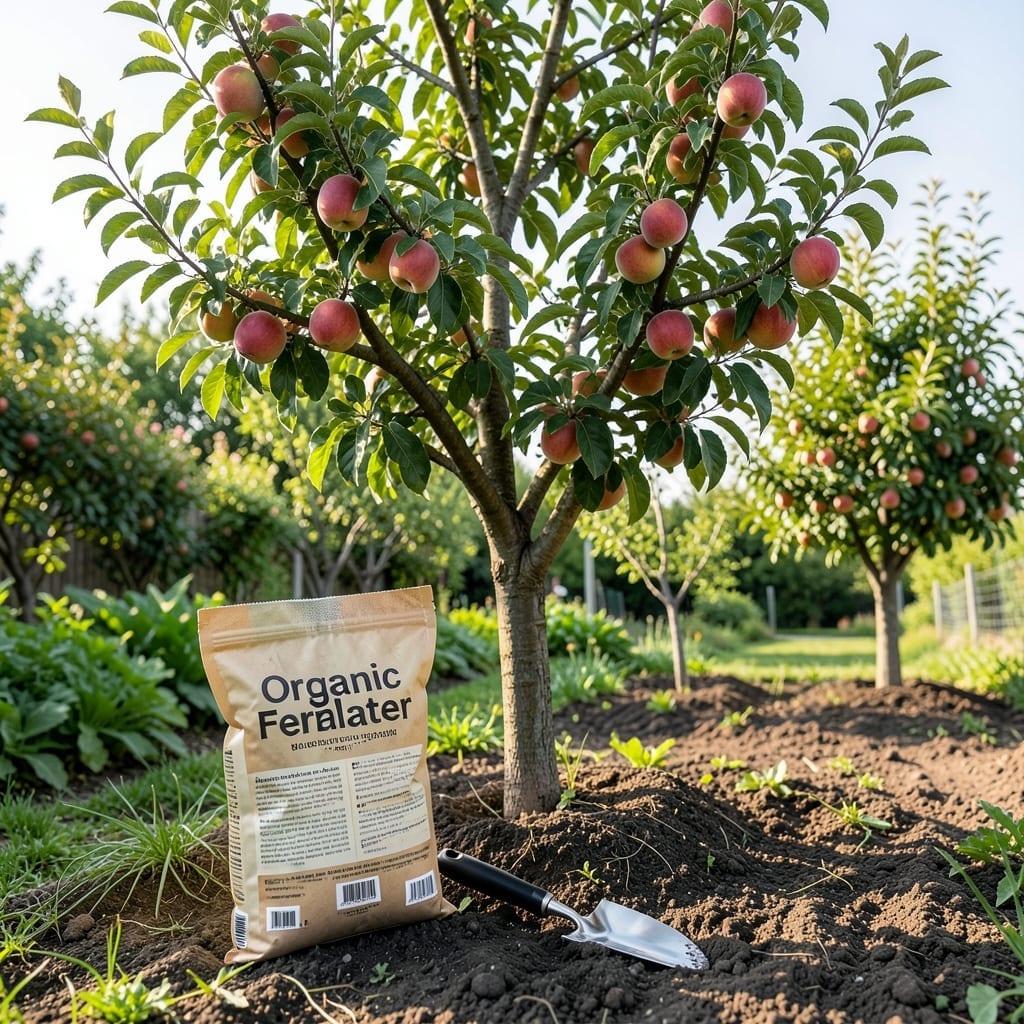
Timing your fertilizer application can make or break your 🍑 Stone Fruit Trees harvest. Apply nutrients at the wrong moment, and you risk stunted growth or poor fruit quality.
I’ve seen gardeners struggle with weak trees simply because they fed them at the wrong time. The good news? Getting this right is easier than you think.
Your trees have specific nutritional needs during each season. Discover when to feed them for maximum growth and fruit production.
Let me walk you through the seasonal schedule that keeps Stone Fruit Trees thriving year after year in zone 6.
Getting the timing right for fertilizing your stone fruit trees can mean the difference between a bumper harvest and a lackluster one. These trees, like peach, plum, and cherry, have specific nutrient needs tied to their growth cycles.
I’ve found that aligning fertilizer applications with the tree’s seasonal stages ensures optimal absorption. Early spring, just before bud break, is the first critical window for feeding.
| Season | Timing | Fertilizer Focus | Purpose |
|---|---|---|---|
| Early Spring | Pre-bloom | Balanced NPK | Promotes strong growth and flowering |
| Late Spring | Post-bloom | Higher nitrogen | Supports leaf development and fruit set |
| Summer | Post-harvest | Low nitrogen | Aids fruit development and tree recovery |
| Late Fall | 6 weeks before first frost | Potassium-rich | Strengthens root system for winter |
In early spring, I always apply a balanced 10-10-10 fertilizer just before the buds swell. This gives the tree a nutrient boost right when it needs it most for flower production and initial growth. 🌳
Once the blossoms fade and fruit begins to set, I switch to a higher nitrogen formula. This helps the foliage grow strong and supports the developing fruit with the energy it needs.
During summer months, after the main harvest, I apply a light feeding with lower nitrogen. This prevents excessive leafy growth while still supporting fruit development and tree health.
As fall approaches, I focus on potassium and phosphorus to help the tree store energy for winter. I
I never fertilize during winter dormancy. The tree isn’t actively growing, so it can’t utilize the nutrients effectively. This rest period is crucial for the tree to conserve energy and prepare for the next growing season.
Remember, soil testing is key before any application. It helps me determine if my stone fruit trees actually need more nutrients or if the soil pH needs adjusting for optimal nutrient uptake. ✂️
Finally, always water deeply after fertilizing to help distribute nutrients into the root zone. This simple step ensures the fertilizer reaches where it’s needed most and prevents surface runoff. 💧
I always watch my stone fruit trees for visual cues before reaching for the fertilizer. Yellowing leaves or stunted growth often signal a nutrient deficiency that needs immediate attention.
Poor fruit set or smaller-than-normal fruit are classic signs your peach, plum, or cherry trees aren’t getting enough nutrients during their growing season.
Before fertilizing, I test my soil pH to ensure it’s between 6.0-7.0. Stone fruit trees absorb nutrients best in this range. A simple soil test kit from any garden center works perfectly.
I also check for leaf drop outside the normal seasonal pattern. When my cherry tree started dropping leaves in early summer, a soil test revealed it needed more magnesium and calcium.
Remember that over-fertilizing can be as harmful as under-fertilizing. I apply balanced 10-10-10 only when my trees show these clear signs of need, always following the package instructions for amounts.
Finally, I observe my trees after heavy rain or extreme heat. These conditions can leach nutrients from the soil, creating sudden deficiencies that require quick correction to maintain healthy growth and fruit production 🌳