
Beautiful Plants For Your Interior
Beautiful Plants For Your Interior
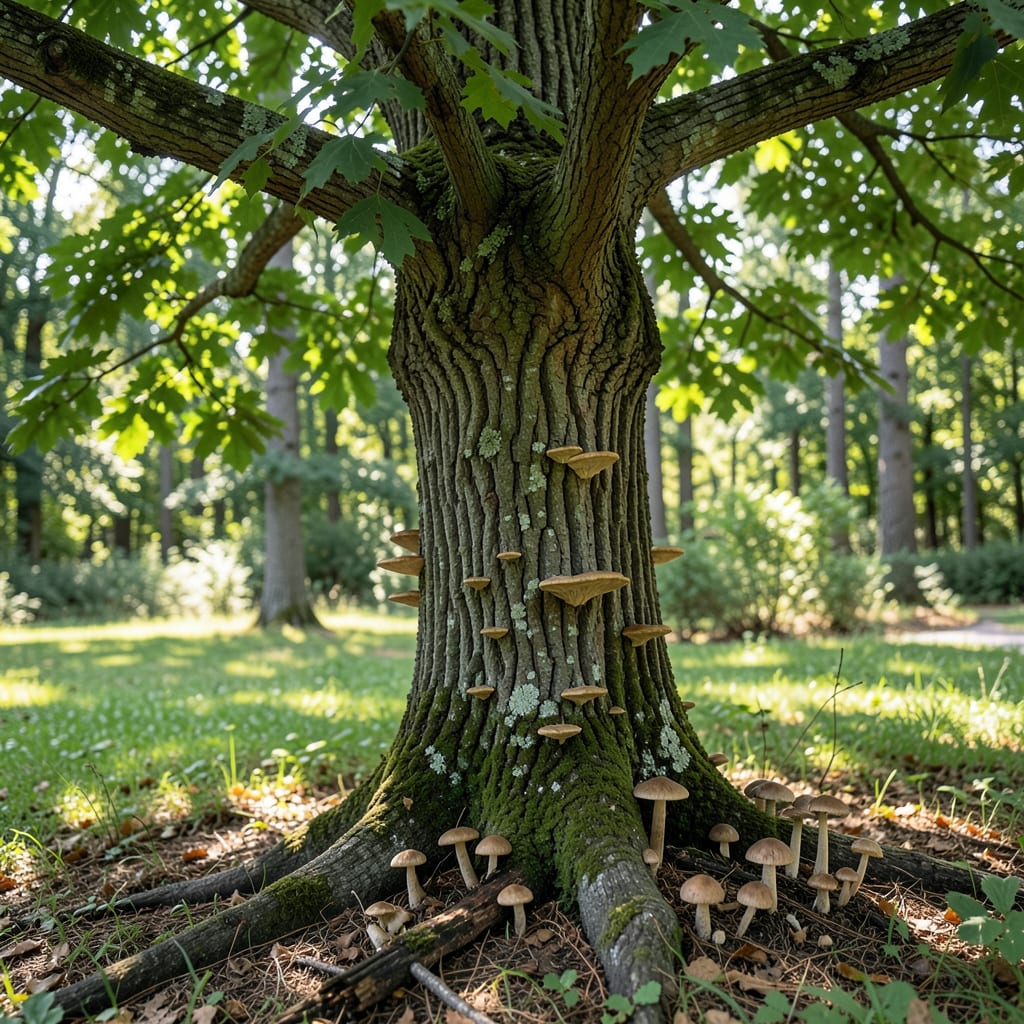
Spotting white powder or dark spots on your tree bark means trouble. I’ve seen healthy trees decline fast when fungus takes hold, but catching it early changes everything.
Most gardeners miss the first signs—yellowing leaves, peeling bark, or strange growths at the base. These aren’t just cosmetic issues; they signal a deeper problem that can spread to other plants if ignored.
The good news is you can fight back naturally without harsh chemicals. Simple fixes like improving airflow, removing infected branches, and applying organic treatments often stop the spread in 2-3 weeks.
Works for maples, oaks, and fruit trees alike. Early action saves your landscape and keeps the rest of your garden safe.
Tree fungus growth is rarely random—it’s usually triggered by a combination of environmental stressors and biological vulnerabilities. Understanding the root causes helps you prevent or address infections early. Below are the most common culprits behind fungal development on trees.
Fungi thrive in damp conditions. Prolonged rain, poor drainage, or overwatering creates the perfect breeding ground for spores. Trees in waterlogged soil or those frequently splashed by irrigation systems are especially susceptible. Action: Improve soil drainage and avoid overhead watering to reduce humidity around the trunk and foliage.
Injuries from pruning cuts, storm damage, or lawn equipment expose a tree’s inner tissues, inviting fungal spores to colonize. Even small wounds can become entry points for pathogens like Ganoderma or Armillaria. Action: Sterilize pruning tools with rubbing alcohol and seal large wounds with tree wound dressing.
Dense canopies or crowded plantings trap moisture and limit airflow, fostering fungal growth. This is common in ornamental trees planted too closely together. Action: Thin out branches to improve ventilation and space trees according to their mature size.
While fungi prefer warmth, sudden temperature swings (e.g., late frosts or heatwaves) can stress trees, weakening their natural defenses. Stressed trees produce fewer antifungal compounds, making them easier targets. Action: Mulch to insulate roots and use shade cloth during extreme heat to stabilize conditions.
A tree lacking essential nutrients (e.g., nitrogen, potassium) is more vulnerable to infections. Weak growth and thin bark reduce resistance to spores. Action: Conduct a soil test and amend with organic fertilizers to restore balance.
By addressing these factors, you can significantly lower the risk of fungal outbreaks in your trees.
Once you’ve identified fungus on your trees, act quickly to stop the spread and restore health. Here’s how to tackle the most common issues:
Fungus thrives in damp conditions. If standing water or soggy soil is the culprit, reduce watering frequency and ensure proper drainage. Use a moisture meter to monitor soil dampness. For potted trees, check that drainage holes aren’t clogged. In garden beds, amend the soil with compost or sand to improve aeration. Prune dense foliage to increase airflow, which helps dry out excess moisture.
Prevention tip: 💡 Water trees at the base in the morning so foliage dries by evening, discouraging fungal spores from settling.
For mild infections, a baking soda solution (1 tbsp baking soda + 1 tsp dish soap + 1 gallon of water) can work wonders. Spray it on affected areas every 7–10 days until the fungus clears. For stubborn cases, use neem oil or copper fungicide (follow label instructions carefully). Always remove and destroy heavily infected leaves or branches to prevent further spread.
Prevention tip: 🌡️ Space trees properly to reduce humidity buildup and apply a preventative fungicide in early spring before spores activate.
A stressed tree is a magnet for fungus. Fertilize with a balanced, slow-release formula to strengthen roots and foliage. Mulch around the base (keeping it 2–3 inches away from the trunk) to retain moisture and regulate soil temperature. Avoid over-pruning, as open wounds invite infection—sterilize tools with rubbing alcohol between cuts.
Prevention tip: ✨ Regularly inspect trees for signs of stress (yellowing leaves, stunted growth) and address issues like nutrient deficiencies or pest damage promptly.
Fallen leaves, twigs, and fruit create a breeding ground for fungus. Rake and remove debris from around the tree’s base weekly, especially in fall and wet seasons. Dispose of infected material in sealed bags—not compost—to avoid contaminating other plants.
Prevention tip: 🎯 Maintain a clean garden environment and avoid overhead watering to keep foliage dry.
Look for white powdery spots, dark patches, or unusual growths on bark and leaves. Yellowing foliage or peeling bark often appear early. Catching these signs quickly is key to stopping the spread.
A baking soda solution (1 tbsp baking soda + 1 tsp dish soap + 1 gallon water) works well. Apply every 7–10 days until the issue clears. For tougher cases, use neem oil or remove infected branches.
Excess moisture creates the perfect environment for spores. Improve drainage and water at the base in the morning to keep foliage dry. Always check soil dampness with a moisture meter.
No. Disposing of infected material in sealed bags prevents contaminating other plants. Composting can spread spores, making the problem worse. Always remove and destroy heavily infected debris.