
Beautiful Plants For Your Interior
Beautiful Plants For Your Interior
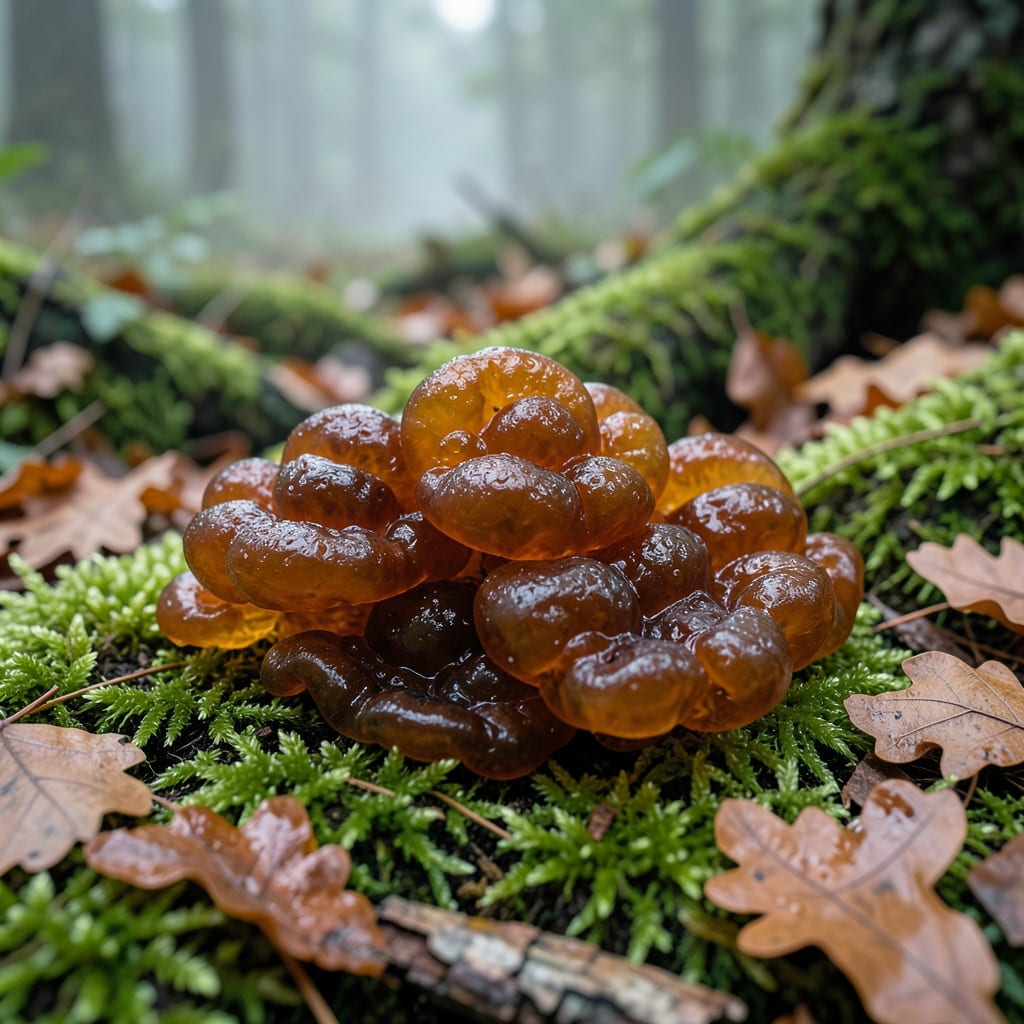
That weird brown jelly-like blob on your soil isn’t a plant gone wrong. I’ve seen it pop up overnight in damp areas, looking like someone spilled gelatin in my garden beds.
It’s a fungus, and while it’s harmless to most plants, it’s a sign your soil might be staying too wet. The good news? It’s actually breaking down organic matter, but you probably still want it gone from your flower beds.
Removal is simpler than you’d think—no fancy sprays needed. A little manual action and some airflow adjustments usually do the trick within a week.
Works for lawns, garden beds, or anywhere this jelly shows up uninvited. Here’s how to handle it without harsh chemicals.
The appearance of brown jelly fungus on the ground is typically tied to specific environmental and biological conditions. Below are the most common causes, explained scientifically for clarity.
Brown jelly fungi, such as Tremella foliacea or Dacrymyces stillatus, thrive in damp environments. Prolonged rainfall, poor drainage, or overwatering creates the perfect habitat for these moisture-loving organisms. The excess water softens organic matter, making it easier for the fungus to decompose wood or leaf litter.
These fungi are saprotrophic, meaning they feed on decomposing plant material. Fallen branches, bark mulch, or piles of leaves provide a rich food source. The fungus breaks down lignin and cellulose, accelerating the natural recycling process in forests or gardens.
Brown jelly fungi prefer cool to moderate temperatures (50–70°F / 10–21°C). They often emerge in spring or fall when humidity is high, and soil temperatures are stable. Sudden temperature drops can also trigger fruiting body formation as the fungus capitalizes on ideal conditions.
Many species in this group grow directly on deadwood, including buried stumps or roots. If your soil contains old wood debris, the fungus may appear as it colonizes the substrate. Even treated lumber in landscaping can sometimes host these organisms over time.
Dealing with brown jelly fungus on your property? Here’s how to tackle it based on the cause, along with tips to keep it from coming back.
Jelly fungi thrive on decaying wood, leaves, or mulch. Remove all organic debris—raking up fallen leaves, twigs, and rotting wood. If the fungus is growing on a stump or log, dig it out entirely or treat the area with a natural fungicide like neem oil. Prevention tip: Keep your yard clean and avoid excessive mulch buildup. 💡
Standing water or overly damp soil creates the perfect environment for jelly fungi. Fix drainage issues by aerating compacted soil, installing French drains, or redirecting downspouts. For potted plants, ensure containers have drainage holes. Prevention tip: Water in the morning so surfaces dry by evening, reducing fungal growth. 🌧️
If the fungus persists in a specific area, the soil may be contaminated. Remove the top 2–3 inches of soil and replace it with fresh, sterile soil. For a targeted approach, mix in a fungicide (like copper sulfate) or beneficial microbes (e.g., Trichoderma) to outcompete the fungus. Prevention tip: Rotate plantings to disrupt fungal life cycles. ✨
Wood-based mulches (like bark or chips) can harbor jelly fungi. Replace them with inorganic alternatives such as gravel, rubber mulch, or cocoa shells. If you prefer organic mulch, opt for cedar or pine straw, which are less prone to fungal growth. Prevention tip: Refresh mulch annually to prevent decomposition buildup. 🌲
Yes, it’s generally harmless to humans but avoid eating it. Some species are edible, but many aren’t—misidentification can be dangerous. Always wash hands after handling.
No, it’s a decomposer and won’t damage healthy plants. However, it signals excess moisture or decaying matter, which may affect plant roots over time. Improve drainage to prevent issues.
With dry conditions and debris removal, it typically shrink and vanish within 1-2 weeks. If moisture persists, it may return, so address the root cause.
Yes, but mix it with dry materials like leaves or straw to balance moisture. Avoid composting large amounts at once to prevent mold buildup.
