
Beautiful Plants For Your Interior
Beautiful Plants For Your Interior
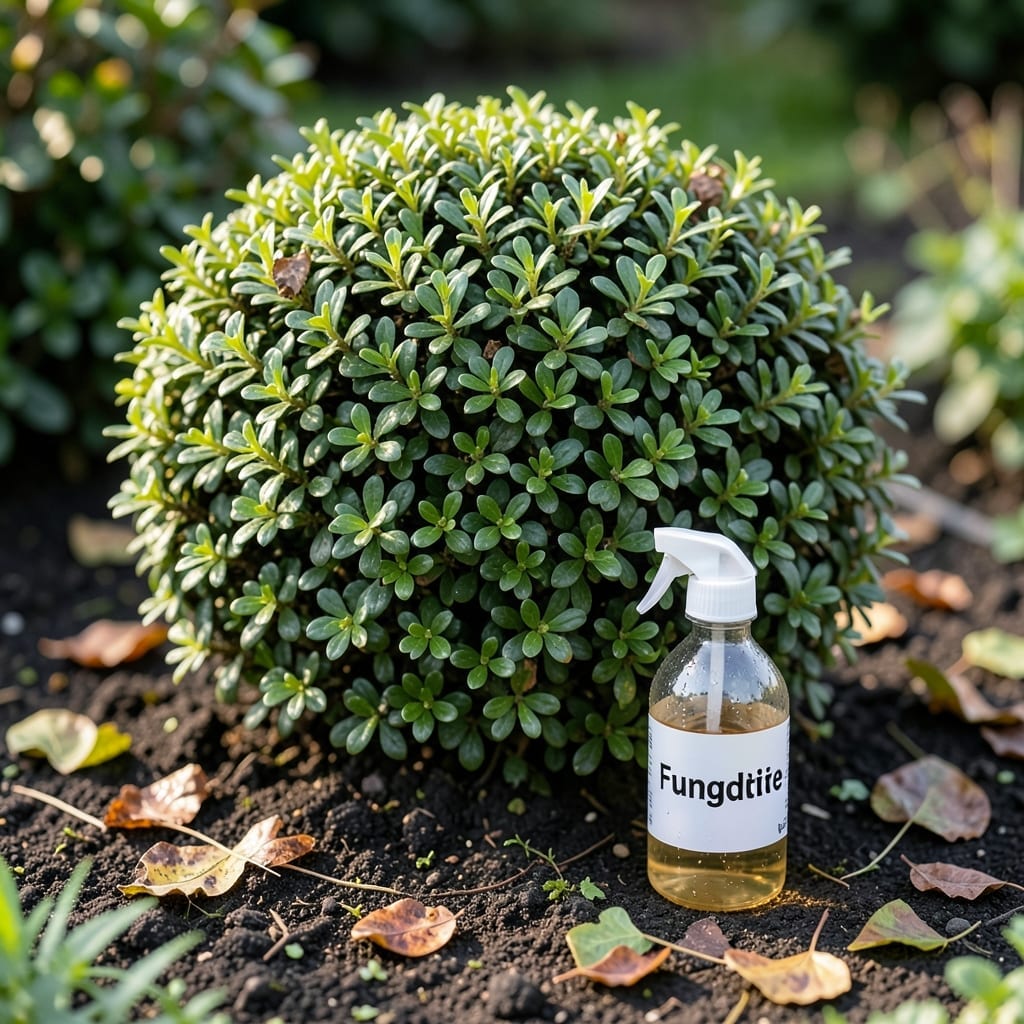
Boxwood blight hit my garden like a thief in the night. One day the shrubs looked fine, the next their leaves were spotted and dropping. Catching it early makes all the difference.
I learned the hard way that this fungal disease spreads fast in wet conditions. The first signs—brown spots, black streaks on stems—appear subtle at first. Left unchecked, it can defoliate plants within 2 weeks.
Here’s the thing—organic revival is possible with the right approach. Copper fungicides and careful pruning can stop the spread. Sanitizing tools between cuts is non-negotiable.
Prevention beats treatment every time. Proper spacing, morning watering, and removing fallen leaves keeps my boxwoods healthy year-round.
Boxwood blight is a devastating fungal disease primarily caused by Calonectria pseudonaviculata (syn. Cylindrocladium pseudonaviculatum). This pathogen thrives in specific environmental conditions, making understanding its causes critical for prevention and treatment. Below are the key factors that contribute to its development:
The fungus Calonectria pseudonaviculata flourishes in wet, humid environments. Overhead irrigation, poor drainage, or prolonged periods of rain create ideal conditions for spore germination and spread. Boxwoods planted in poorly ventilated areas or crowded landscapes are particularly vulnerable.
This pathogen is most active in temperatures between 60–75°F (15–24°C). Mild, damp springs and falls provide the perfect window for infection. Sudden temperature drops can also stress plants, weakening their natural defenses against the fungus.
Boxwood blight spreads rapidly through infected nursery stock, tools, or debris. Purchasing contaminated plants or reusing pruning tools without sterilization can introduce the fungus to healthy landscapes. Even fallen leaves or soil harboring the pathogen can reignite infections.
Dense plantings or improper spacing restrict airflow, trapping moisture and creating microclimates where the fungus thrives. Pruning practices that neglect interior ventilation exacerbate the problem, allowing spores to settle and germinate undisturbed.
Addressing these root causes—through improved drainage, spacing, and sanitation—can significantly reduce the risk of boxwood blight.
Boxwood blight can be stubborn, but with the right approach, you can restore your shrubs to health. Below are targeted solutions based on the root causes, along with prevention tips to keep your garden thriving.
If your boxwood shows dark leaf spots or rapid defoliation, a fungal infection is likely the culprit. Remove and destroy infected plant parts immediately to prevent spread. Apply a copper-based fungicide or baking soda spray (1 tbsp baking soda + 1 tsp dish soap + 1 gallon water) every 7–10 days until symptoms fade. Improve air circulation by pruning dense areas to reduce humidity.
Prevention tip: 💡 Avoid overhead watering—use a soaker hose to keep foliage dry.
Dirty or dull pruning tools can spread spores and stress plants. Sterilize tools with rubbing alcohol between cuts, and prune in dry weather to minimize infection risk. Always cut at a 45-degree angle to promote healing.
Prevention tip: ✨ Disinfect tools after each use, and thin out inner branches annually to improve airflow.
Boxwoods under stress (drought, poor soil, or extreme heat) are more vulnerable. Mulch the base with 2–3 inches of organic matter to retain moisture and regulate soil temperature. Water deeply once a week (more in extreme heat) and test soil pH—boxwoods prefer slightly acidic to neutral (6.0–7.0).
Prevention tip: 🎯 Apply a balanced, slow-release fertilizer in early spring to boost resilience.
If blight persists, the soil or tools may harbor spores. Solarize soil by covering affected areas with clear plastic for 4–6 weeks to kill pathogens. Replace topsoil if needed. For tools, soak in a 10% bleach solution for 10 minutes, then rinse.
Prevention tip: 🌱 Rotate planting locations and avoid reusing potting mix from infected plants.
It can move rapidly through a garden in 48-72 hours during wet conditions. Heavy rain or overhead watering creates the perfect environment for spores to travel between plants.
If more than 50% of the plant is affected, removal is often the best option. For mild cases, prune infected branches and apply fungicide immediately. Always sterilize tools between cuts.
Early morning is ideal, as it allows foliage to dry quickly. Apply copper fungicides or organic sprays every 7-10 days during active growth or after rain.
Yes, if spores remain in soil or debris. Remove all fallen leaves and consider soil solarization. Healthy plants with good airflow are less likely to reinfect.