
Beautiful Plants For Your Interior
Beautiful Plants For Your Interior
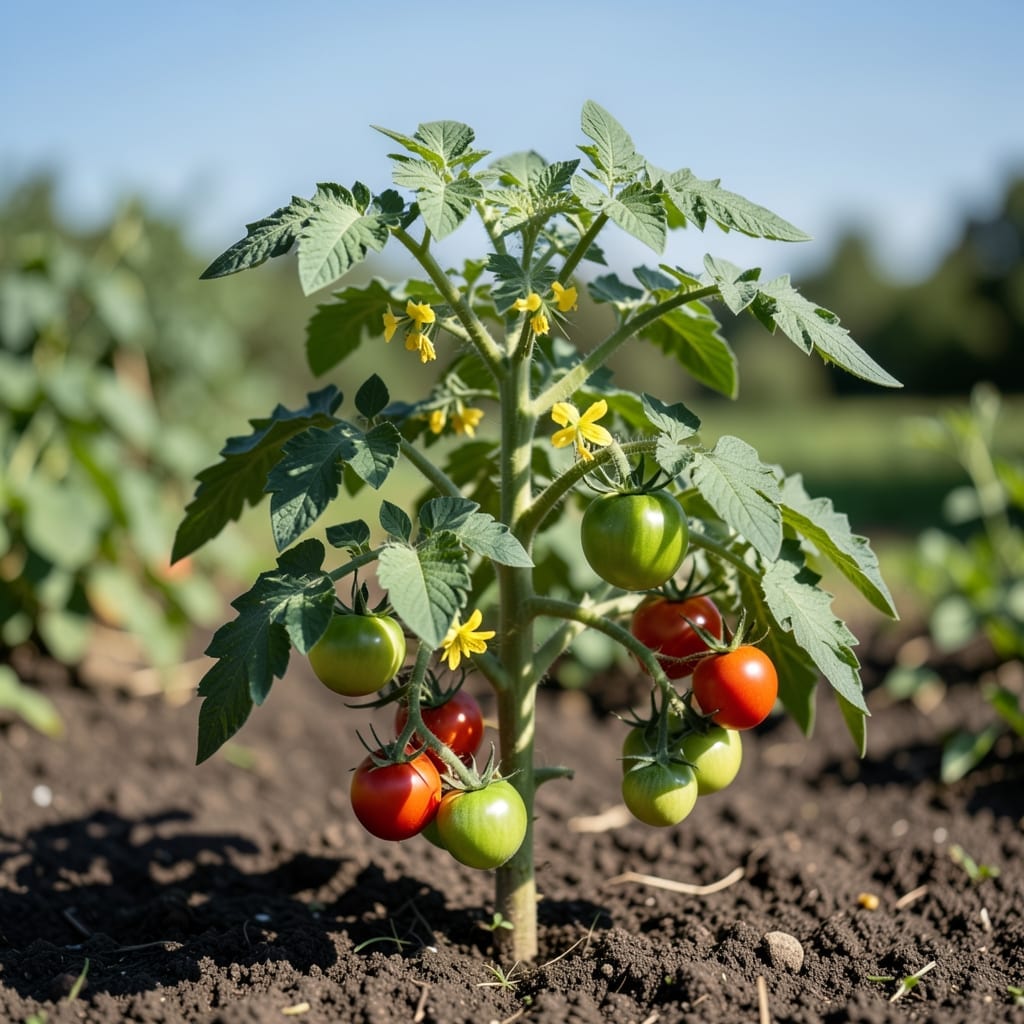
Nothing’s more frustrating than watching half your tomato turn red while the top stays stubbornly green. I’ve wasted too many harvests on this exact problem, but the fix is simpler than you’d think.
Uneven ripening usually boils down to 3 things: wild temperature swings, spotty watering, or a nutrient imbalance. Once you spot the pattern, the solution clicks into place like a puzzle.
With a few tweaks—consistent watering, shade during heatwaves, and balanced fertilizer—you’ll get uniformly ripe tomatoes every time. No more green shoulders or blotchy patches.
Works for heirlooms, cherries, and beefsteaks alike. Here’s how to salvage this season’s crop and prevent it next year.
Uneven ripening in tomatoes often stems from environmental or physiological factors disrupting their natural maturation process. Below are the most common causes, explained with actionable insights.
Tomatoes ripen best at 70–75°F (21–24°C). Extreme heat (above 85°F/29°C) or cold (below 50°F/10°C) can stall lycopene and carotenoid production—the pigments responsible for red color. Solution: Use shade cloth in heatwaves or row covers for chilly nights to stabilize temperatures.
Uneven light distribution (e.g., dense foliage shading parts of the fruit) leads to blotchy ripening. Tomatoes on the plant’s interior or lower clusters often lag behind. Solution: Prune excess leaves to improve airflow and sunlight penetration, and rotate potted plants regularly.
Irregular watering—drought followed by overwatering—causes cellular stress, disrupting ethylene (the ripening hormone) distribution. This results in patchy coloration. Solution: Maintain consistent soil moisture (1–2 inches of water per week) using drip irrigation to avoid fluctuations.
Excess nitrogen promotes leafy growth at the expense of fruit ripening, while potassium or phosphorus deficiencies slow pigment development. Solution: Test soil and amend with a balanced fertilizer (e.g., 5-10-10) or organic compost to support even maturation.
Infections like viral mosaics or pest-induced wounds (e.g., from aphids) can disrupt nutrient flow to the fruit, causing uneven ripening. Solution: Inspect plants regularly, remove affected foliage, and apply neem oil or insecticidal soap preventatively.
Uneven ripening can turn your tomato harvest into a patchwork of green, red, and orange. Here’s how to fix it—and keep it from happening again.
Fluctuating temperatures slow down or speed up ripening in patches. Shade cloths can soften midday heat, while row covers protect against chilly nights. For potted tomatoes, move them to a more stable spot, like a covered porch, during extreme weather. Prevention tip: Aim for a steady 70–85°F range during the day.
If some sides of your tomatoes stay green, they’re likely not getting enough light. Rotate potted plants every few days so all sides receive sunlight. For in-ground plants, prune excess foliage to improve air circulation and light penetration. Prevention tip: Space plants at least 2 feet apart to avoid shading.
Inconsistent watering leads to blotchy ripening. Use drip irrigation or soaker hoses to deliver water directly to the roots, avoiding wet foliage. Water deeply 1–2 times per week, adjusting for rainfall. Prevention tip: Mulch around the base to retain moisture and reduce stress.
Too much nitrogen encourages leafy growth at the expense of fruit ripening. Switch to a low-nitrogen, high-phosphorus fertilizer (like 5-10-10) once fruits set. Prevention tip: Test your soil annually to fine-tune nutrient levels.
💡 Pro tip: Harvest tomatoes at the “breaker” stage (when color first appears) and ripen them indoors in a paper bag with a banana to speed up even color development!
Yes! Harvest at the breaker stage and place in a paper bag with a banana or apple. The ethylene gas they emit will accelerate even ripening. Keep at room temperature out of direct sunlight.
This is often called “green shoulder.” It happens when the top of the fruit gets too much direct sun, causing uneven pigment development. Use shade cloth to protect plants during peak sunlight hours.
Unevenly ripe tomatoes are safe to eat as long as they’re not moldy or rotten. The green parts will be less sweet but still edible. For best flavor, let them fully ripen first.
Water deeply 1-2 times per week, providing about 1-2 inches total. Use drip irrigation for consistent moisture. Check soil by inserting your finger – it should feel moist 1 inch down.