
Beautiful Plants For Your Interior
Beautiful Plants For Your Interior
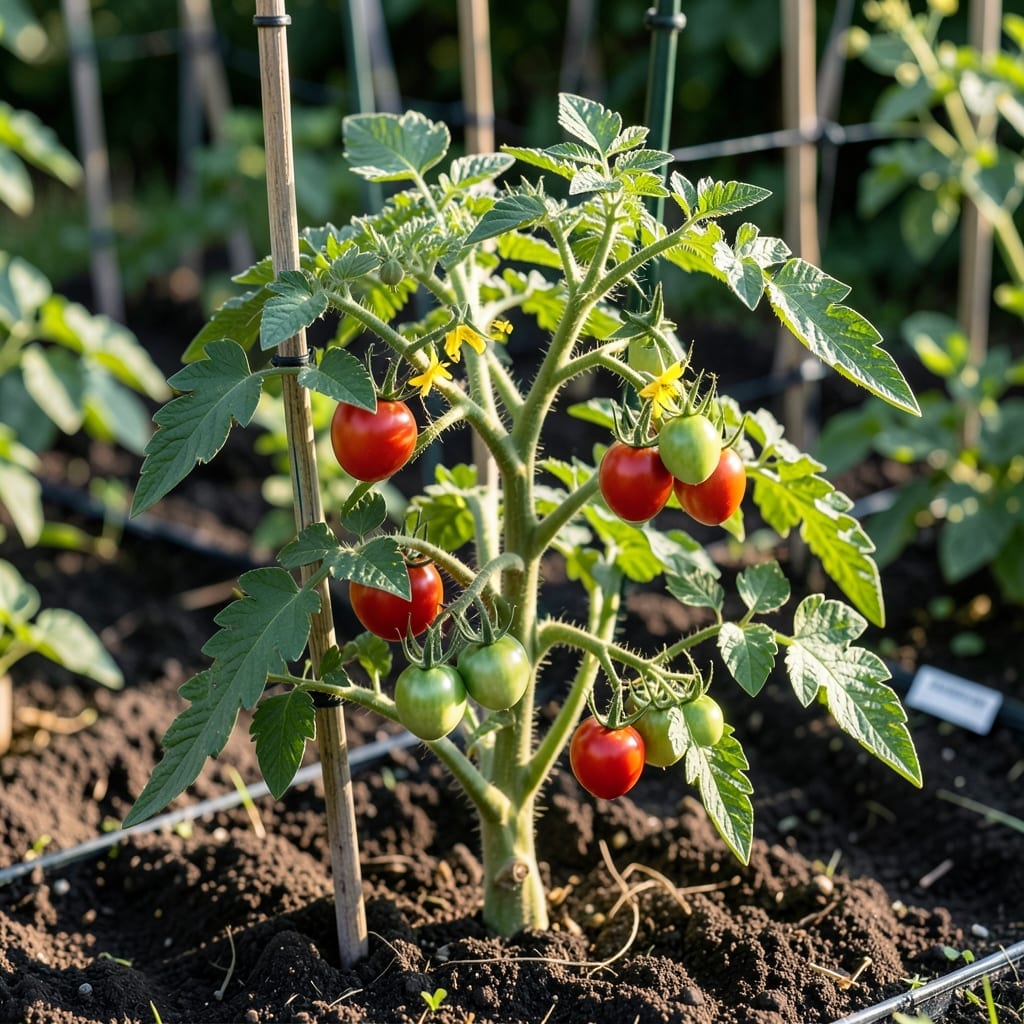
Nothing stings quite like watching your 🍅 Tomato plants loaded with green fruit as summer winds down. I’ve been there, staring at stubborn tomatoes that just won’t turn red.
What if I told you there are simple, natural ways to hurry things along? You don’t need fancy equipment or chemicals to make it happen.
After testing various methods in my own garden, I’ve discovered what truly works. These techniques can shave days off your waiting time.
Discover how to turn those green orbs into ripe, juicy tomatoes faster than you thought possible. Let’s get started.
As a gardener, I know the frustration of watching green tomatoes refuse to turn red. The good news is, you can accelerate ripening with a few simple, natural techniques. These methods work both indoors and outdoors, so you can enjoy your harvest sooner.
One of the most effective ways is to use ethylene gas, a natural plant hormone that triggers ripening. You can create this by placing tomatoes near ripe bananas or apples, which emit ethylene as they mature.
Place green tomatoes in a paper bag with a ripe banana to speed up ripening naturally.
Keep tomatoes at 70-75°F for optimal ripening; avoid temperatures below 50°F or above 85°F.
Provide indirect sunlight for indoor ripening; direct sun can cause uneven coloring or scalding.
Remove new flowers and suckers to redirect the plant’s energy toward ripening existing fruit.
Pick mature green tomatoes before frost and ripen them indoors on a windowsill or countertop.
Another trick I use is temperature control. Tomatoes ripen fastest between 70-75°F. If nighttime temps drop below 50°F, bring green tomatoes indoors to a warm spot. This prevents stunted ripening and ensures even color development.
Light management is also key. While tomatoes need sunlight to grow, direct sun can cause blossom-end rot or uneven ripening. For indoor ripening, place tomatoes in a bright, indirect light location, like a kitchen windowsill.
I always recommend pruning your tomato plants in late summer. By removing new flowers and suckers, you allow the plant to focus its energy on ripening the existing fruit rather than producing more. This can speed up the process by 1-2 weeks.
Finally, consider your harvesting strategy. If frost is in the forecast, pick all mature green tomatoes and bring them inside. Place them in a single layer on a countertop or in a cardboard box with a ripe banana to encourage ripening.
With these methods, you can enjoy ripe, flavorful tomatoes even as the growing season winds down. Try one or combine several for the best results! 🌱
I’ve seen many gardeners unknowingly delay their tomato harvest by making simple mistakes. Overwatering, for example, can dilute the plant’s energy and slow ripening significantly. It’s a common issue that’s easy to fix with better habits.
Another frequent error is ignoring temperature extremes. Tomatoes ripen best between 68-77°F. If nights drop below 50°F, the process stalls, leaving you with green fruit long past their prime.
⚠️ Avoid These Ripening Killers
Poor air circulation is another culprit. Crowded plants trap moisture, which invites fungal diseases and stresses the tomato, diverting energy away from ripening. Prune regularly to keep air moving freely.
Storing tomatoes in the refrigerator is a big no-no. Cold stops ripening entirely and can ruin texture. Instead, keep them at room temperature in a paper bag with a banana to speed things up.
Using too much nitrogen fertilizer encourages lush leafy growth at the expense of fruit. Switch to a low-nitrogen, high-phosphorus formula once flowers appear to support ripening.
Finally, inconsistent watering causes stress. Tomatoes need 1-2 inches of water weekly. Stick to a schedule, and water deeply at the base to avoid wetting the foliage.
With these fixes, you’ll see your tomatoes ripen faster and more evenly, giving you that sweet, homegrown taste sooner rather than later 🌱