
Beautiful Plants For Your Interior
Beautiful Plants For Your Interior
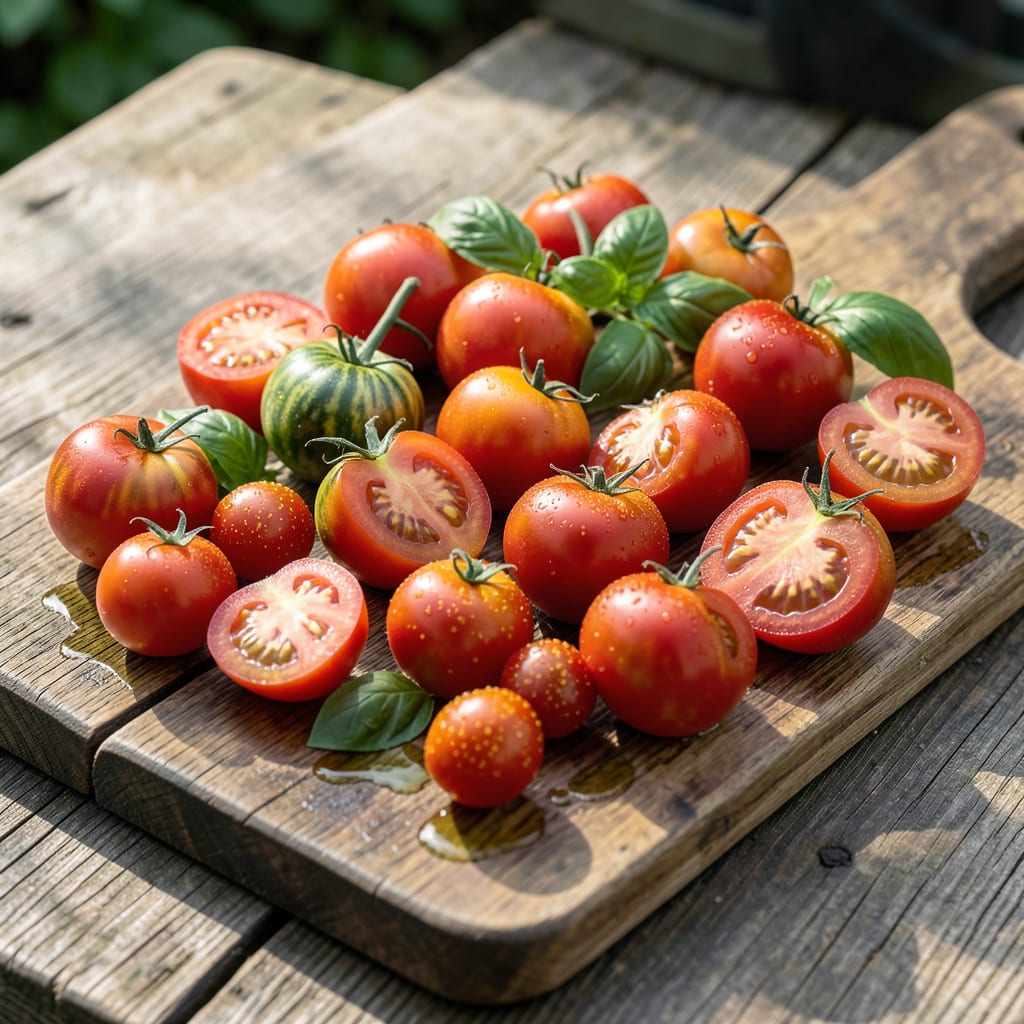
Yellow splotches on your tomatoes aren’t just ugly—they’re a distress signal. I’ve seen entire crops ruined by this exact issue, and the fix is often simpler than you’d think.
Most cases trace back to uneven ripening from stress, whether that’s heat spikes, nutrient gaps, or viral intruders. The good news? You can turn this around mid-season with a few adjustments to your care routine.
What you’ll notice first is patchy color instead of even red (or yellow, or purple). Left unchecked, it spreads fast. The solution starts with identifying which stressor your plants are actually fighting.
Works for container gardens, raised beds, or in-ground plots. Here’s how to diagnose and correct it for healthier fruit within weeks.
Blotchy ripening and yellow spots on tomatoes often stem from environmental, nutritional, or pathological factors. Here’s a breakdown of the most common causes:
Tomatoes thrive in consistent temperatures between 70–85°F (21–29°C). Exposure to heat above 90°F (32°C) or cold below 50°F (10°C) disrupts lycopene and carotenoid production—the pigments responsible for even red ripening. Heat stress causes yellow or green shoulder blotches, while cold shock leads to uneven coloration and stalled ripening.
A deficiency in potassium or magnesium can trigger yellow splotches, as these minerals are vital for chlorophyll breakdown and pigment synthesis. Potassium-deficient tomatoes often show yellowing between veins on lower leaves first, followed by blotchy fruit. Magnesium shortages, meanwhile, cause interveinal chlorosis (yellow patches between leaf veins) that can extend to the fruit.
Tomato Yellow Leaf Curl Virus (TYLCV) and Cucumber Mosaic Virus (CMV) are common culprits behind irregular ripening. TYLCV causes upward leaf curling and stunted growth, while CMV creates a mottled yellow-green pattern on leaves and fruit. Both viruses are spread by aphids, so early pest control is critical.
Some heirloom or hybrid varieties naturally develop green shoulders or uneven ripening due to their genetic makeup. Varieties like ‘Green Zebra’ or ‘Cherokee Purple’ may show yellow-green blotches as part of their ripening process. While not harmful, this can be mistaken for a disorder.
Identifying the root cause helps you apply the right fix—whether adjusting care, amending soil, or treating for pests.
Don’t let blotchy, yellow-spotted tomatoes ruin your harvest. Here’s how to tackle each cause head-on.
If your tomatoes are starving for potassium or magnesium, give them a boost. Fix: Work compost or a balanced organic fertilizer (like 5-10-10) into the soil at planting. For a quick pick-me-up, use a liquid potassium supplement or Epsom salt spray (1 tablespoon per gallon of water) on the leaves. Prevention tip: 💡 Test your soil before planting to catch imbalances early.
Too much direct sun or extreme heat can scorch tomato skins. Fix: Use shade cloth (30-50% shade) during peak afternoon hours or position plants where they get dappled sunlight. Water deeply in the morning to help plants cope. Prevention tip: 🌡️ Mulch around the base to retain moisture and keep roots cool.
Fungal infections like early blight or bacterial leaf spot can cause yellow blotches. Fix: Remove affected leaves or fruit immediately and dispose of them (not in compost). Apply a copper-based fungicide or neem oil spray to prevent spread. Prevention tip: ✨ Space plants 18-24 inches apart for better airflow, and avoid overhead watering to keep foliage dry.
Sap-sucking pests like aphids or whiteflies leave behind yellow spots. Fix: Blast them off with a strong stream of water or apply insecticidal soap. Introduce beneficial insects like ladybugs for long-term control. Prevention tip: 🎯 Inspect plants weekly, especially the undersides of leaves, to catch pests early.
Fluctuations in moisture lead to uneven ripening. Fix: Water deeply 1-2 times per week (more in extreme heat) to keep soil consistently moist but not soggy. Drip irrigation is ideal. Prevention tip: 💧 Add a layer of mulch to retain moisture and reduce evaporation.
Yes, they’re typically safe if the issue is environmental or nutritional. Just cut off any affected areas before using. Avoid eating fruit with viral or fungal infections, as these can spread.
Start with a soil test to check nutrient levels. Use mulch to regulate soil temperature and moisture. Also, rotate crops and choose disease-resistant varieties.
Overwatering leads to root stress, which can manifest as yellow blotches. Stick to a consistent watering schedule, allowing soil to dry slightly between waterings.
