
Beautiful Plants For Your Interior
Beautiful Plants For Your Interior
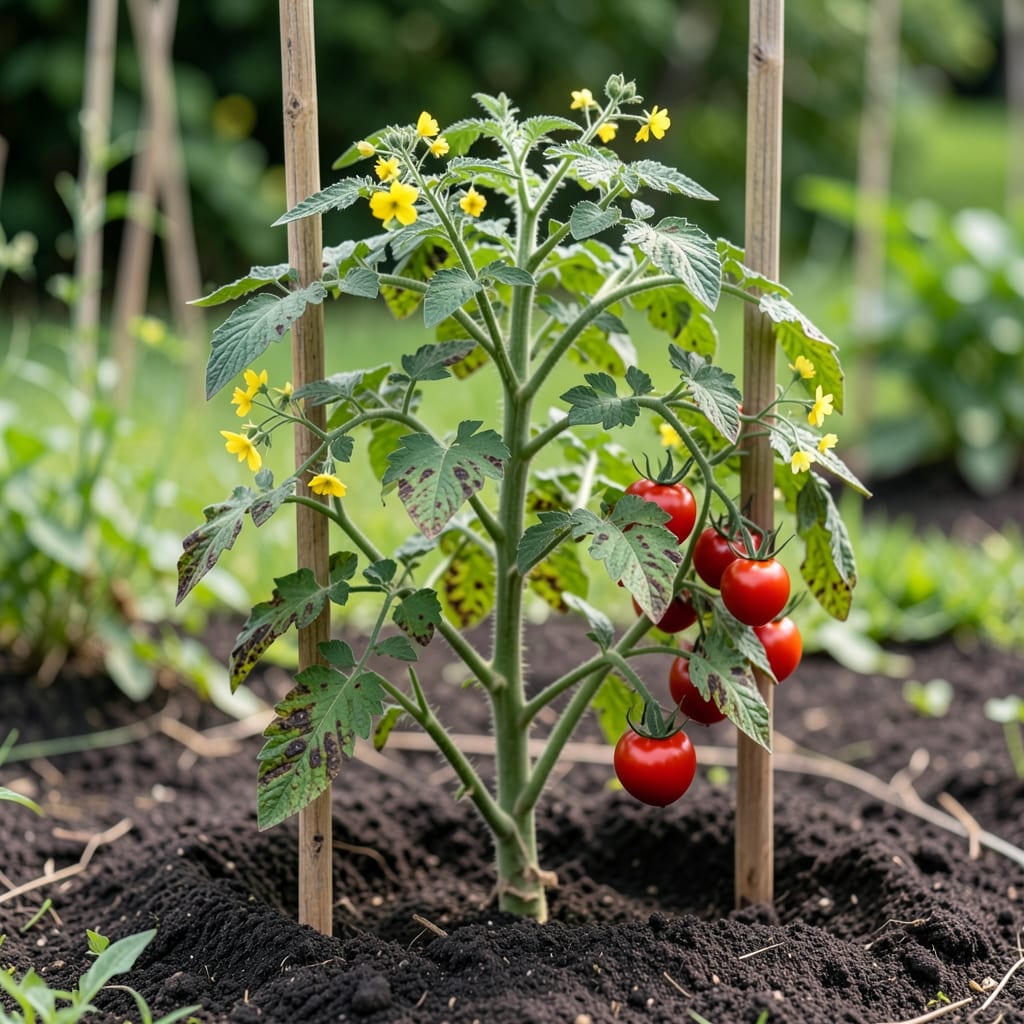
Brown spots on your tomato leaves aren’t just ugly—they’re early blight moving in. I lost half my crop to this last season before figuring out the pattern: it starts small, spreads fast, and thrives in wet conditions.
The good news? It’s 100% preventable with the right approach. Rotation, spacing, and airflow make a bigger difference than any spray. I’ve tested both organic and chemical fixes, but cultural practices keep it from coming back year after year.
You’ll spot the difference between early blight and other issues within 48 hours of close inspection. The concentric rings on lower leaves are the dead giveaway—catch it early and you can still save most of your plants.
Works for all tomato varieties, in ground or containers. Here’s how to stop it in its tracks.
Early blight in tomatoes is primarily caused by the fungal pathogen Alternaria solani. This opportunistic disease thrives under specific environmental and cultural conditions. Understanding these triggers helps gardeners prevent outbreaks and protect their crops.
The fungus A. solani spreads rapidly in warm, wet environments. Prolonged leaf wetness—from rain, overhead irrigation, or high humidity—creates ideal conditions for spore germination. Temperatures between 75–85°F (24–29°C) with relative humidity above 90% accelerate infection. Avoid watering late in the day to reduce moisture retention on foliage.
The pathogen overwinters in plant debris, soil, or infected seed. If last season’s tomato plants had early blight, spores can survive in the soil for up to 1–2 years. Using contaminated seed or failing to rotate crops increases the risk. Always start with certified disease-free seed and practice a 3-year crop rotation to break the fungal life cycle.
Dense plant spacing and overgrown foliage trap moisture, promoting fungal growth. Tomatoes planted too closely or not pruned properly create a microclimate that favors Alternaria spread. Ensure 18–24 inches of space between plants and remove lower leaves to improve airflow and reduce humidity around the canopy.
Plants under stress—especially from nitrogen excess or potassium deficiency—are more susceptible. Over-fertilization with nitrogen leads to lush, soft growth that’s easily infected. Conversely, potassium-stressed plants have weaker cell walls. Conduct a soil test and maintain balanced fertility, emphasizing potassium-rich amendments like compost or wood ash.
Early blight on tomatoes is manageable with the right approach. Below are targeted solutions for each cause, along with prevention tips to keep your plants healthy.
If you spot brown spots with concentric rings on lower leaves, act fast. Prune affected leaves and stems using clean, sharp shears to prevent the fungus Alternaria solani from spreading. Dispose of the debris in sealed bags—do not compost. This stops spores from reinfecting the soil or neighboring plants.
Dense foliage and poor airflow create a humid haven for early blight. Space plants 18–24 inches apart and stake or trellis them to lift leaves off the ground. Prune suckers (the small shoots between the main stem and branches) to open up the canopy. A breeze or gentle fan in greenhouses can further reduce moisture buildup.
Early blight spores can survive in soil for years. Avoid planting tomatoes, potatoes, or peppers in the same spot for at least 3 years. Rotate with non-host crops like beans, carrots, or lettuce to break the disease cycle. If rotation isn’t possible, solarize soil by covering it with clear plastic for 4–6 weeks in summer to kill spores.
For active infections, spray copper-based fungicides or neem oil every 7–10 days, especially after rain. Start at the first sign of disease and cover both sides of leaves. Bacillus subtilis (a beneficial bacteria) is another effective organic option. Always apply in the early morning or late evening to avoid leaf burn.
Look for small brown spots with concentric rings on lower leaves. These gradually enlarge and merge, creating irregular patches. Leaves may yellow around the spots before falling off.
Yes, if caught early. Remove all affected foliage immediately and apply copper fungicide or neem oil. Improve airflow by pruning suckers and spacing plants 18–24 inches apart.
The fungus overwinters in soil and plant debris for 1–2 years. Always rotate crops, remove all debris, and avoid planting tomatoes in the same spot for 3 years.
Yes! Try ‘Mountain Supreme’, ‘Jasper’, or ‘Defiant’. These cultivars show better tolerance but still benefit from preventive care.