
Beautiful Plants For Your Interior
Beautiful Plants For Your Interior
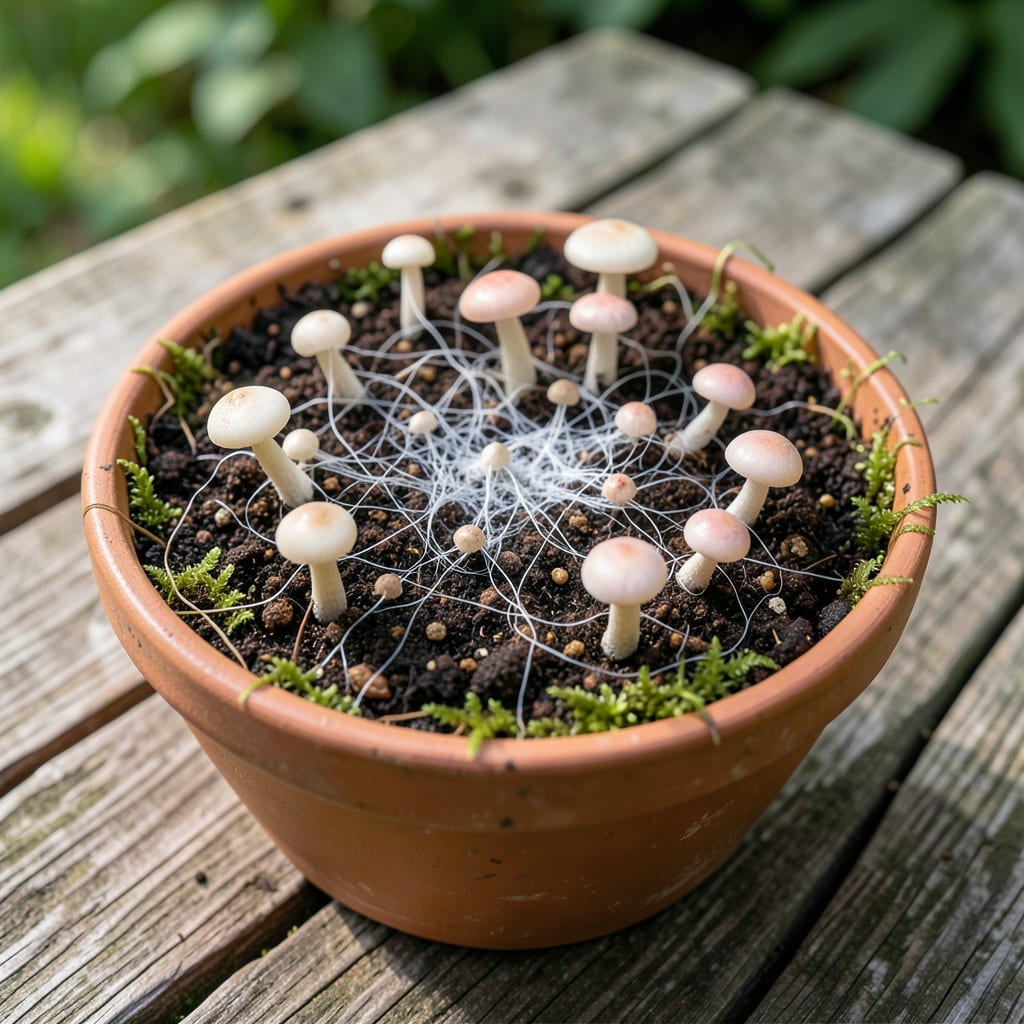
White fuzz on your soil isn’t just ugly—it’s stealing nutrients from your plants. I learned this the hard way after losing a dozen seedlings to unseen fungi that took over the potting mix.
Overwatering and poor drainage create the perfect breeding ground for these invaders. The good news? You can spot the problem early by looking for discolored soil, strange growths, or a musty smell coming from the pot.
Organic fixes like cinnamon, hydrogen peroxide, or repotting in fresh soil often solve the issue without harsh chemicals. Prevention is even simpler: better drainage and a consistent watering schedule.
Healthy plants start with healthy soil. Fix this now, and you’ll avoid bigger problems down the road.
Fungal growth in potting soil often stems from a few key environmental and care-related factors. Understanding these causes helps you prevent and address the issue effectively.
Fungi thrive in damp conditions. Overwatering or poor drainage creates a waterlogged environment where spores germinate and spread. Potting soil that remains soggy for more than a few hours is a prime breeding ground for mold, mildew, and other fungi. Ensure your pots have drainage holes and use a well-draining soil mix to mitigate this.
Stagnant air traps moisture and heat, two conditions fungi love. Dense potting soil or crowded plants restrict airflow, promoting fungal growth. Loosen the soil occasionally and space plants properly to improve ventilation. A small fan can also help circulate air in indoor setups.
Decaying leaves, dead roots, or uneaten compost in the soil provide nutrients for fungi. Unfinished decomposition of organic matter releases compounds that attract fungal spores. Regularly remove dead plant material and avoid over-fertilizing with organic matter that hasn’t fully broken down.
Fungi can hitch a ride on reused potting soil, unsterilized tools, or even new soil that wasn’t properly processed. Spores from previous infestations linger and reactivate under the right conditions. Always sterilize tools with rubbing alcohol and consider pasteurizing reused soil by baking it at 200°F (93°C) for 30 minutes.
Dealing with fungus in your potting soil can be frustrating, but these targeted solutions will help you restore a healthy growing environment for your plants.
If soggy soil is the culprit, start by letting the soil dry out completely between waterings. Repot your plant in a well-draining mix—try adding perlite, coarse sand, or vermiculite to improve aeration. Ensure your pot has drainage holes, and consider using a terracotta pot, which pulls moisture away from the soil faster than plastic.
Prevention tip: 💡 Use a moisture meter to avoid guesswork, and water only when the top 1-2 inches of soil feel dry.
Fungus thrives in stagnant, humid conditions. Move your plants to a breezy spot or use a small fan to keep air moving around them. If you’re growing indoors, crack a window or run a dehumidifier to reduce excess moisture in the air.
Prevention tip: ✨ Space plants apart to allow airflow between them, and avoid overcrowding on shelves or windowsills.
If the soil is heavily infested, it’s best to remove and replace it. For a milder case, you can sterilize the soil by baking it in the oven at 200°F (93°C) for 30-45 minutes to kill off fungal spores. Let it cool completely before reuse.
Prevention tip: 🎯 Always use fresh, high-quality potting mix for new plants, and avoid reusing soil from old or diseased plants.
Combat existing fungus with organic treatments. A neem oil solution (1 tbsp neem oil + 1 tsp dish soap + 1 quart water) can be sprayed on the soil to deter fungal growth. Alternatively, a baking soda spray (1 tsp baking soda + 1 quart water) can help, but use it sparingly to avoid altering soil pH.
Prevention tip: 🌡️ Apply a thin layer of cinnamon on the soil surface—it’s a natural fungicide and also helps prevent damping-off in seedlings.
Look for white, gray, or black fuzzy growth on the surface. A musty smell or discolored patches also signal trouble.
Yes, if you replace all the soil and clean the pot with a 10% bleach solution. Discard the old soil to prevent reinfection.
Only after sterilizing it by baking at 200°F for 30 minutes. Let it cool completely before reuse.
Isolate the plant immediately and sprinkle cinnamon on the soil. It’s a natural fungicide that works within 24 hours.
