
Beautiful Plants For Your Interior
Beautiful Plants For Your Interior
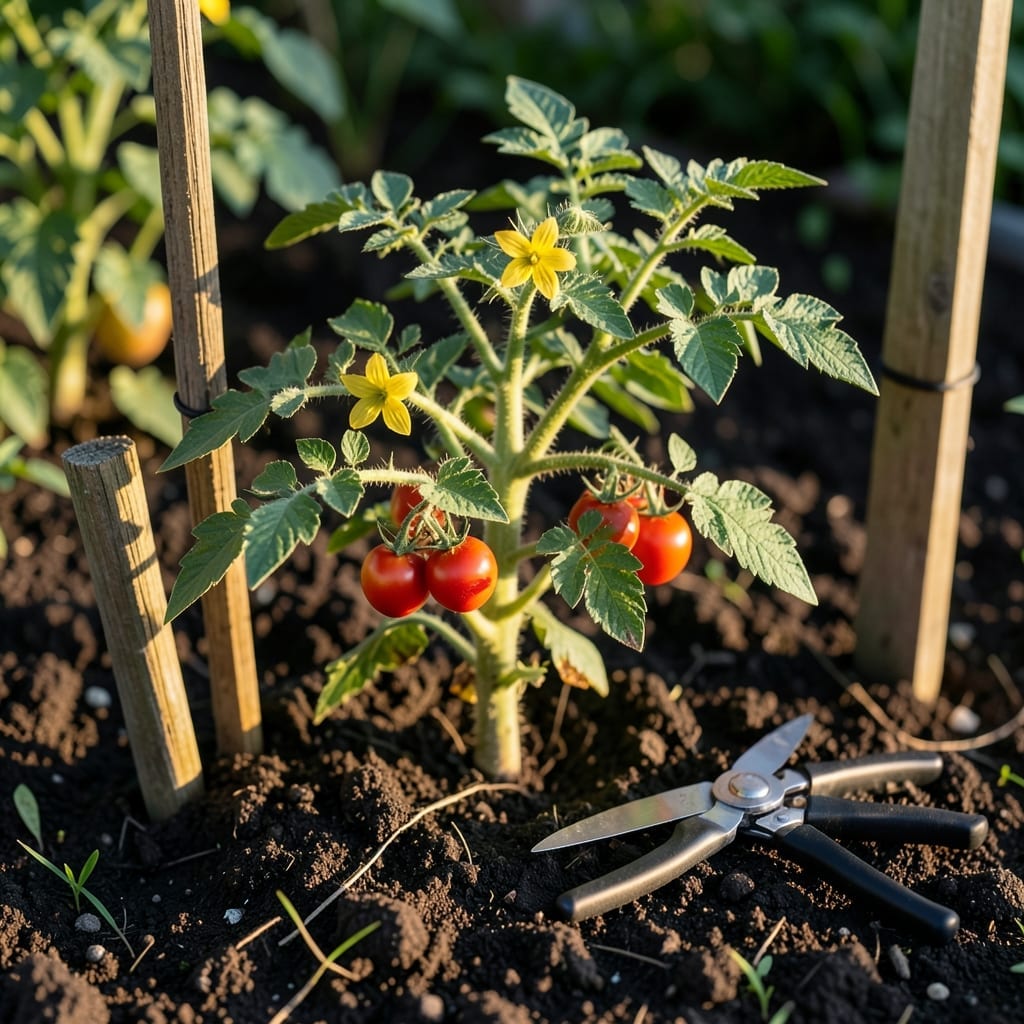
I’ve ruined more tomato plants with bad pruning than I care to admit. One wrong snip can stall growth, invite disease, or slash your harvest in half.
The usual suspects? Over-pruning, cutting at the wrong spot, or pruning at the wrong time. Each mistake leaves your plants stressed and vulnerable. I learned the hard way—now my tomatoes bounce back stronger after every trim.
Fixing these issues is simpler than you think. A sharp pair of pruners, a little patience, and knowing what to leave alone can turn your plants around in a week.
This isn’t about perfection—just avoiding the big missteps that derail a season.
Understanding why tomato pruning mistakes happen can help you avoid them. Here’s a breakdown of the most common causes:
Many gardeners prune too aggressively, believing more is better. However, tomatoes rely on their foliage for photosynthesis, which fuels growth and fruit production. Removing too many leaves reduces the plant’s ability to generate energy, stunting growth and lowering yields. Solanum lycopersicum (tomato plants) need a balance of foliage to thrive.
Pruning at the wrong time—such as during extreme heat or when the plant is water-stressed—can shock the plant. Tomatoes are sensitive to environmental stressors, and improper timing can lead to weak growth or disease susceptibility. Always prune in the early morning or late afternoon to minimize stress.
Dull pruners crush stems instead of making clean cuts, creating entry points for pathogens like Fusarium or Verticillium fungi. Unsterilized tools can also spread diseases between plants. Always use sharp, disinfected pruners to prevent infection and promote faster healing.
Not all tomato varieties prune the same way. Indeterminate tomatoes (vining types) benefit from selective pruning to improve airflow, while determinate (bush) types may suffer if pruned excessively. Misunderstanding these differences can lead to reduced yields or plant damage.
Correcting tomato pruning mistakes is easier than you think. Below are practical fixes for each common issue, along with tips to prevent them in the future.
If you’ve removed too many leaves, your plant may struggle with photosynthesis. Stop pruning immediately and focus on supporting the remaining foliage. Use a balanced fertilizer to encourage new growth. Prevention tip: Never remove more than one-third of the plant’s foliage at a time.
Jagged or torn cuts can invite disease. Trim with sharp, sterilized shears just above a leaf node or branch junction. If the damage is already done, apply a fungicide to protect the wound. Prevention tip: Always disinfect your tools between plants to avoid spreading pathogens.
Pruning during wet conditions or late in the season can stress the plant. Wait for dry, sunny weather and avoid pruning once fruit sets heavily. If you’ve already pruned too late, provide extra water and shade to reduce stress. Prevention tip: Prune in the early morning to allow wounds to heal during the day.
Left unchecked, suckers (shoots between the main stem and branches) can drain energy. Pinch off small suckers with your fingers or prune larger ones cleanly. If suckers have overgrown, prioritize removing those below the first flower cluster. Prevention tip: Check for suckers weekly during active growth.
Pruned plants need extra care. Water deeply after pruning to help recovery and watch for signs of stress, like wilting or yellowing. Use mulch to retain moisture and reduce shock. Prevention tip: Avoid heavy pruning during heatwaves or droughts.
With these fixes, your tomato plants will bounce back stronger—just be patient and consistent!
Prune indeterminate varieties every 1-2 weeks during active growth. Avoid pruning determinate types unless necessary. Always check for suckers and yellowing leaves.
Over-pruning reduces photosynthesis, stunting growth and lowering yields. Your plant may become weak and more susceptible to disease. Limit removal to one-third of foliage at a time.
Avoid pruning during wet conditions or extreme heat. Never prune late in the season when fruit is setting heavily. Early morning is ideal for recovery.
Remove suckers below the first flower cluster to focus energy on fruit production. For larger plants, leave a few to grow into replacement branches.