
Beautiful Plants For Your Interior
Beautiful Plants For Your Interior
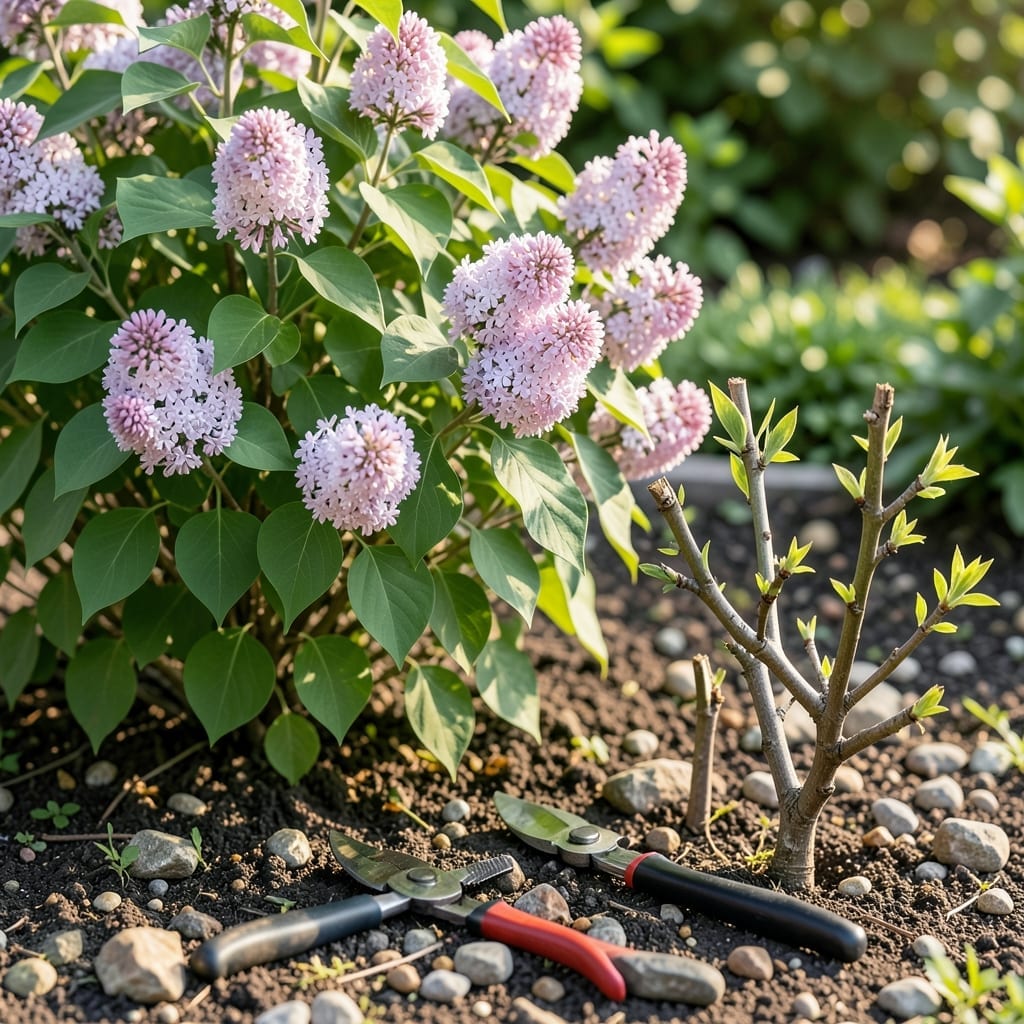
Pruning your Lilac 💜 at the wrong time can cost you a season of stunning blooms. I’ve seen too many gardeners accidentally ruin their shrubs by making simple, avoidable mistakes.
Whether it’s cutting back too late in the year or removing the wrong branches, these errors can set your plant back. The good news? With the right approach, you can keep your lilacs thriving.
Discover the most common pruning pitfalls and how to sidestep them. A little knowledge now means more vibrant flowers later.
Let’s dive into what you need to know to prune like a pro and enjoy healthier, happier lilacs year after year.
I’ve seen many gardeners accidentally ruin their lilac blooms by pruning at the wrong time of year. Lilacs set their flower buds in late summer, so cutting them in fall or winter removes next year’s blossoms before they even form.
Another frequent mistake is over-pruning or using dull shears, which can tear the stems and invite disease. Lilacs thrive with light, strategic cuts rather than aggressive trimming.
⚠️ Avoid These:
❌ Pruning in fall/winter: Removes next year’s buds
❌ Over-pruning: Weakens the plant and reduces blooms
❌ Dull tools: Causes jagged cuts and disease risk
❌ Topping the shrub: Leads to weak, unnatural growth
Pruning too late in the season is another critical error. If you trim after mid-summer, you risk cutting off the developing flower buds that will bloom next spring.
I’ve also noticed gardeners removing too many old stems, which can reduce the shrub’s ability to produce flowers. Lilacs bloom best on older wood, so it’s essential to preserve some mature branches.
Using the wrong cutting technique can also harm your lilac. Always make clean, angled cuts just above a bud or branch junction to encourage healthy new growth.
Another issue is neglecting to thin out crowded branches. Proper airflow is crucial for preventing fungal diseases like powdery mildew, which lilacs are prone to in humid conditions.
I recommend inspecting your lilac for dead or diseased wood before pruning. Removing these first ensures the plant’s energy goes toward healthy growth and abundant blooms.
Finally, pruning too lightly can lead to an overgrown, unmanageable shrub. Regular, moderate pruning keeps your lilac shapely and productive year after year.
By avoiding these common mistakes, you’ll enjoy fuller blooms and a healthier lilac that thrives for decades. ✂️
Timing is everything with lilac pruning. I always prune mine right after blooming, usually in late spring. This gives the plant time to set new buds for next year. Pruning too late in summer or fall can accidentally remove next season’s flowers.
For the best results, I use thinning cuts to open up the center of the shrub. This improves air circulation and sunlight penetration. Avoid heading cuts which can lead to weak, unproductive growth.
I always start by removing any dead or diseased wood first. This prevents the spread of problems and directs the plant’s energy toward healthy growth. Then I tackle any crossing branches that might rub against each other.
For older lilacs, I recommend a three-year rejuvenation process. Each year, remove about one-third of the oldest stems at ground level. This gradual approach prevents shock while encouraging new, productive growth.
Remember that lilacs bloom on old wood, so pruning at the wrong time can cost you a season of flowers. I learned this the hard way when I pruned in late summer and had no blooms the next spring.
Finally, always use clean, sharp tools to make precise cuts. This helps the plant heal faster and reduces the risk of disease. I keep my pruners sanitized with rubbing alcohol between cuts for extra protection.
With these techniques, your lilacs will reward you with bigger, more abundant blooms each year ✂️🌷