
Beautiful Plants For Your Interior
Beautiful Plants For Your Interior
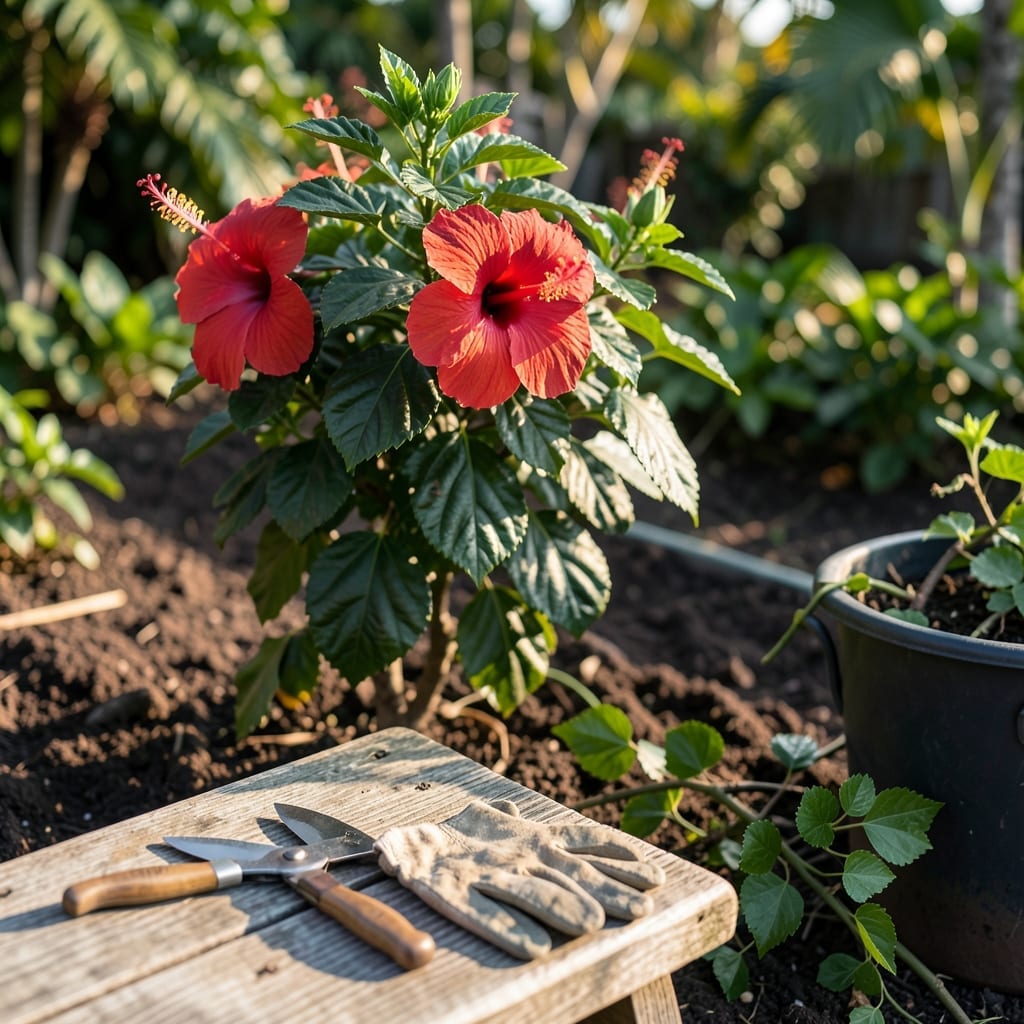
I used to stare at my Hibiscus 🌺 wondering why it looked so sad after pruning at the wrong time. That’s when I learned timing is everything with these beauties.
Cutting back at the right moment can transform your plant from struggling to thriving. For most gardeners in zone 6, spring is your golden window.
Discover how to time your pruning for healthier growth and more vibrant blooms this season. Your Hibiscus will thank you.
Timing your Hibiscus pruning correctly is the key to vibrant blooms and healthy growth. For most gardeners, late winter or early spring is ideal, just before new growth starts.
This timing allows the plant to recover quickly and produce flowers on the new growth. In warmer climates, you can prune year-round, but avoid extreme heat or cold snaps.
For tropical Hibiscus, pruning in late winter ensures the plant has time to recover before the growing season. This is when the plant is dormant but about to wake up.
If you live in cooler climates, wait until after the last frost to avoid cold damage to new growth. In USDA Zone 6, this is typically mid-April.
Hardy Hibiscus varieties can be pruned in late winter or early spring. These plants die back to the ground in winter, so pruning in early spring helps remove dead wood.
For container-grown Hibiscus, you have more flexibility. Prune anytime except during winter dormancy, as the plant needs time to recover before active growth.
Avoid pruning in late summer or fall, as this can stimulate new growth that won’t have time to harden off before cold weather arrives.
In warmer regions, like Zone 9 or 10, you can prune lightly throughout the year to maintain shape. However, avoid heavy pruning during peak summer heat.
Remember, the goal is to encourage blooming and maintain plant health. Proper timing ensures your Hibiscus puts energy into flowers rather than recovering from pruning stress. ✂️
Pruning Hibiscus properly starts with the right tools. I always use sharp bypass pruners and sterilized blades to prevent disease transmission between cuts.
Begin by removing dead or damaged branches first. This improves airflow and allows you to see the plant’s structure clearly before making shaping cuts.
When shaping your Hibiscus, always cut just above a leaf node or bud. This encourages bushier growth and more flowering sites for next season.
Never remove more than 1/3 of the plant in a single pruning session. Over-pruning can stress the plant and reduce its ability to produce vibrant blooms.
Make your cuts at a 45-degree angle to help water run off instead of pooling on the cut surface, which can lead to rot or disease.
After pruning, I recommend applying a light fertilizer to support new growth. Water deeply to help the plant recover from the stress of pruning.