
Beautiful Plants For Your Interior
Beautiful Plants For Your Interior
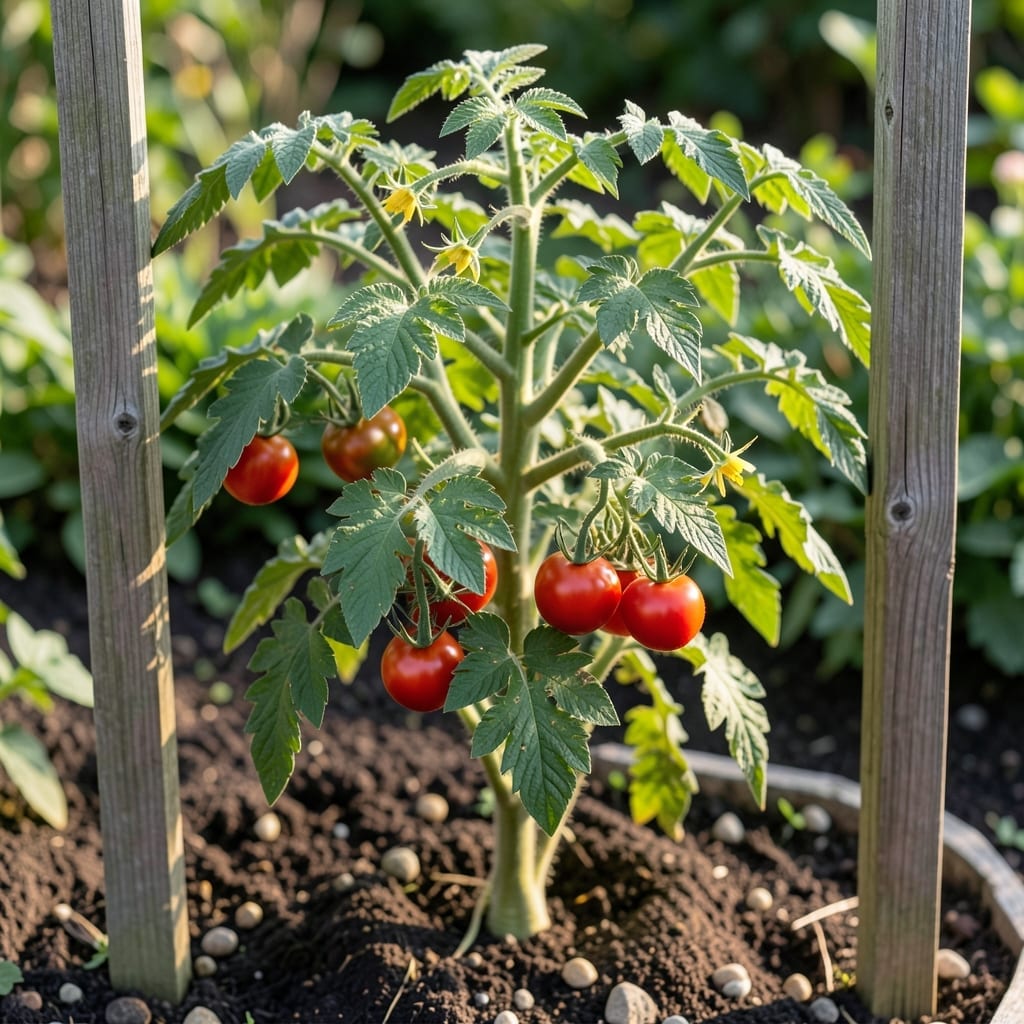
Yellow leaves yesterday, crispy brown edges today. I’ve watched this exact pattern play out on my tomato plants more times than I care to admit.
The problem isn’t just one thing—it’s usually a combination of stress, nutrients, or water issues. Most gardeners overlook the early signs until the damage is obvious. The good news? Your plants can recover with the right adjustments.
You’ll notice the difference within 3-5 days of fixing the root cause. New growth returns, leaves regain color, and your plants get back to producing instead of struggling.
Works for container or ground plants, in any climate. Here’s how to diagnose and fix it for good.
Tomato plants turning brown often signal underlying issues that disrupt their health. Below are the most common causes, explained with actionable insights.
Extreme heat or cold can scorch or freeze tomato leaves, leading to browning. High temperatures above 90°F (32°C) accelerate moisture loss, while frost damages cell structures. Shade cloths or row covers can mitigate these effects.
Both overwatering and underwatering stress plants. Overwatering suffocates roots, reducing oxygen uptake, while drought conditions cause leaf edges to crisp and brown. Aim for consistent soil moisture—water deeply when the top inch of soil feels dry.
Pathogens like early blight (Alternaria solani) or bacterial spot (Xanthomonas spp.) create brown spots or patches. These thrive in wet, humid conditions. Improve airflow, avoid overhead watering, and apply copper-based fungicides preventatively.
Lack of essential nutrients—such as magnesium (interveinal yellowing with brown edges) or potassium (scorched leaf margins)—can trigger browning. Conduct a soil test and amend with Epsom salt (for magnesium) or potassium sulfate as needed.
Pests like spider mites or whiteflies suck sap from leaves, causing stippling, yellowing, and eventual browning. Inspect leaf undersides and use neem oil or insecticidal soap for control.
Addressing browning in tomato plants starts with identifying the root cause. Below are targeted solutions for common issues, along with prevention tips to keep your plants thriving.
If browning is due to a lack of nutrients, adjust your fertilization approach:
Water-related stress often causes leaf browning. Fix it with these steps:
Combat pests and diseases causing browning with these fixes:
Protect plants from extreme conditions:
Crispy brown edges usually indicate underwatering or low humidity. Check soil moisture 1-2 inches deep—if dry, water deeply.
Yes! Overwatering suffocates roots, leading to yellowing that turns brown. Let soil dry slightly between waterings and ensure good drainage.
Brown spots often signal fungal disease. Remove affected leaves, improve airflow, and apply copper fungicide weekly until resolved.
No, damaged leaves won’t recover, but new growth will be healthy once the issue is fixed. Focus on correcting the underlying problem.