
Beautiful Plants For Your Interior
Beautiful Plants For Your Interior
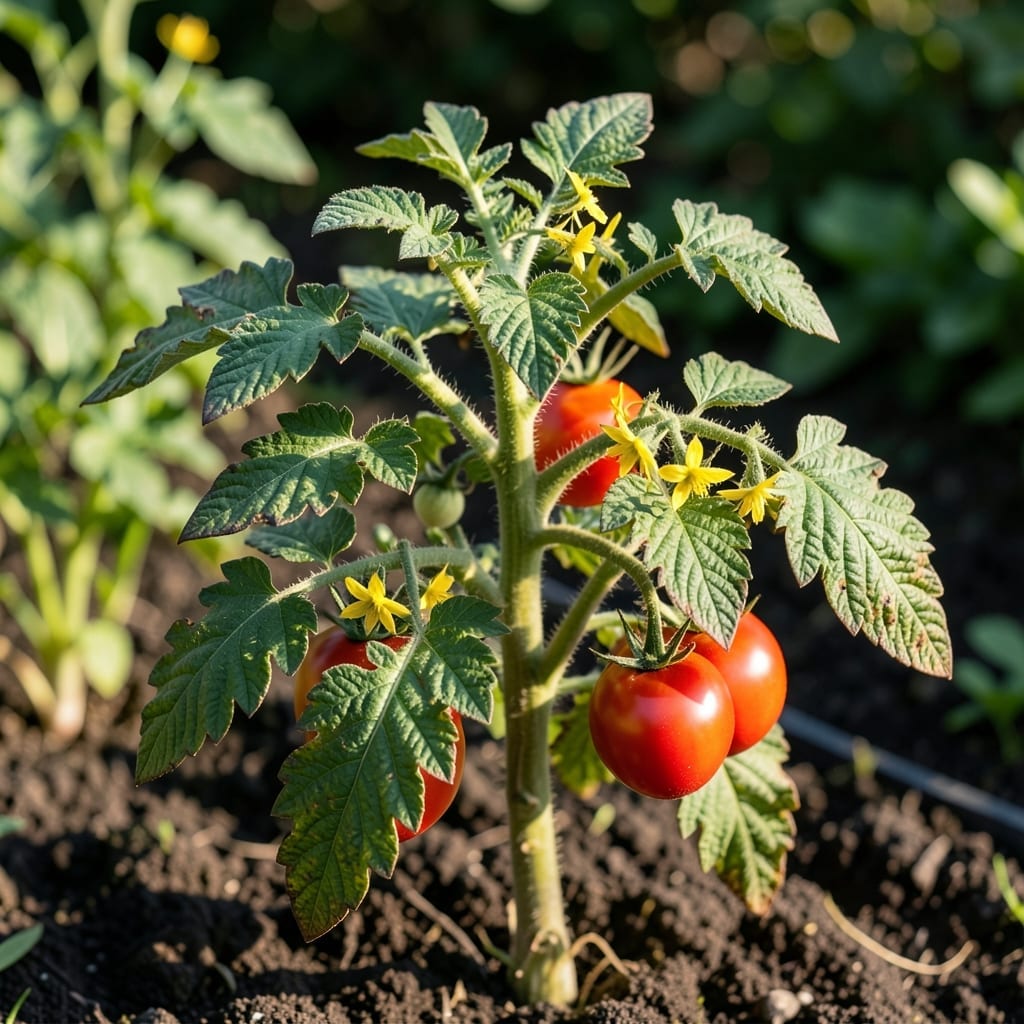
Those crispy, brown edges on your tomato leaves aren’t a death sentence. I’ve seen this exact look after a sudden heatwave or when plants get too much direct afternoon sun without enough water to back it up.
The leaves often curl first, then turn papery and brittle at the tips. It’s usually sun scorch, but could also signal nutrient burn or inconsistent watering. The good news? This is 100% fixable with the right adjustments.
You’ll start seeing new growth within a week once you address the root cause. The key is acting fast—those burnt leaves won’t recover, but the rest of the plant can thrive with proper care.
Works for container plants, in-ground gardens, and even greenhouse setups. Here’s how to diagnose and fix it.
Tomato plant leaves that look burnt are often a sign of environmental stress or improper care. Here are the most common causes, explained with actionable insights:
Intense sunlight, especially during peak afternoon hours, can literally scorch tomato leaves. The excessive heat disrupts photosynthesis, causing brown, crispy patches—often on the uppermost leaves first. Tomatoes thrive in 6-8 hours of sunlight, but extreme heat (above 90°F/32°C) can overwhelm them. Shade cloth or strategic planting can mitigate this.
Both underwatering and overwatering lead to leaf burn. Drought stress causes leaves to curl and crisp at the edges, while root rot from overwatering prevents nutrient uptake, mimicking burn symptoms. Aim for 1-2 inches of water per week, adjusting for rainfall and soil drainage.
Over-fertilizing, especially with high-nitrogen or synthetic fertilizers, can chemically burn leaves. Excess salts in the soil draw moisture out of the roots, leading to yellowing tips that turn brown and brittle. Always follow label rates and flush soil with water if burn is suspected.
Dry, hot winds accelerate moisture loss from leaves, causing marginal burn (brown edges). This is common in arid climates or greenhouse settings. Mulching and misting leaves in the morning can help retain humidity without promoting fungal growth.
If your tomato plant leaves look scorched, act fast to revive your plant. Here’s how to tackle the most common causes:
Move potted tomatoes to a spot with afternoon shade, or use shade cloth (30-40% density) for in-ground plants. Water deeply at the base in the early morning to help roots recover. Prevention tip: 💡 Acclimate seedlings gradually to direct sunlight over a week.
Check soil moisture 2 inches down—if dry, water slowly until it drains from the bottom. For overwatered plants, let the soil dry slightly before the next watering. Prevention tip: ✨ Use drip irrigation to keep foliage dry and deliver consistent moisture.
Mulch with straw or wood chips to keep soil temps stable. On extreme heat days, mist leaves early in the morning or use temporary shade. Prevention tip: 🌡️ Plant heat-tolerant varieties like ‘Solar Fire’ or ‘Heatmaster’ in hot climates.
If over-fertilizing is the culprit, flush the soil with water to remove excess salts. Switch to a balanced, slow-release fertilizer and follow label rates. Prevention tip: 🎯 Test soil every 2-3 years to avoid nutrient imbalances.
Remove severely damaged leaves to redirect energy to healthy growth—but leave slightly affected ones, as they can still photosynthesize.
Sunburn affects upper leaves first, creating brown, crispy patches on sun-exposed sides. Nutrient burn starts at leaf tips, turning them yellow then brown. Check when symptoms appear—sunburn happens after hot days, while nutrient burn follows recent fertilizing.
No, once leaves are crispy and brown, they won’t recover. Remove severely damaged ones to redirect energy to healthy growth. New leaves will grow within 1-2 weeks once you fix the underlying issue.
Yes! Use 30-40% shade cloth during peak afternoon hours. Plant heat-tolerant varieties like ‘Solar Fire’ and mulch heavily. Water deeply in the early morning to prepare plants for the day’s heat.