
Beautiful Plants For Your Interior
Beautiful Plants For Your Interior
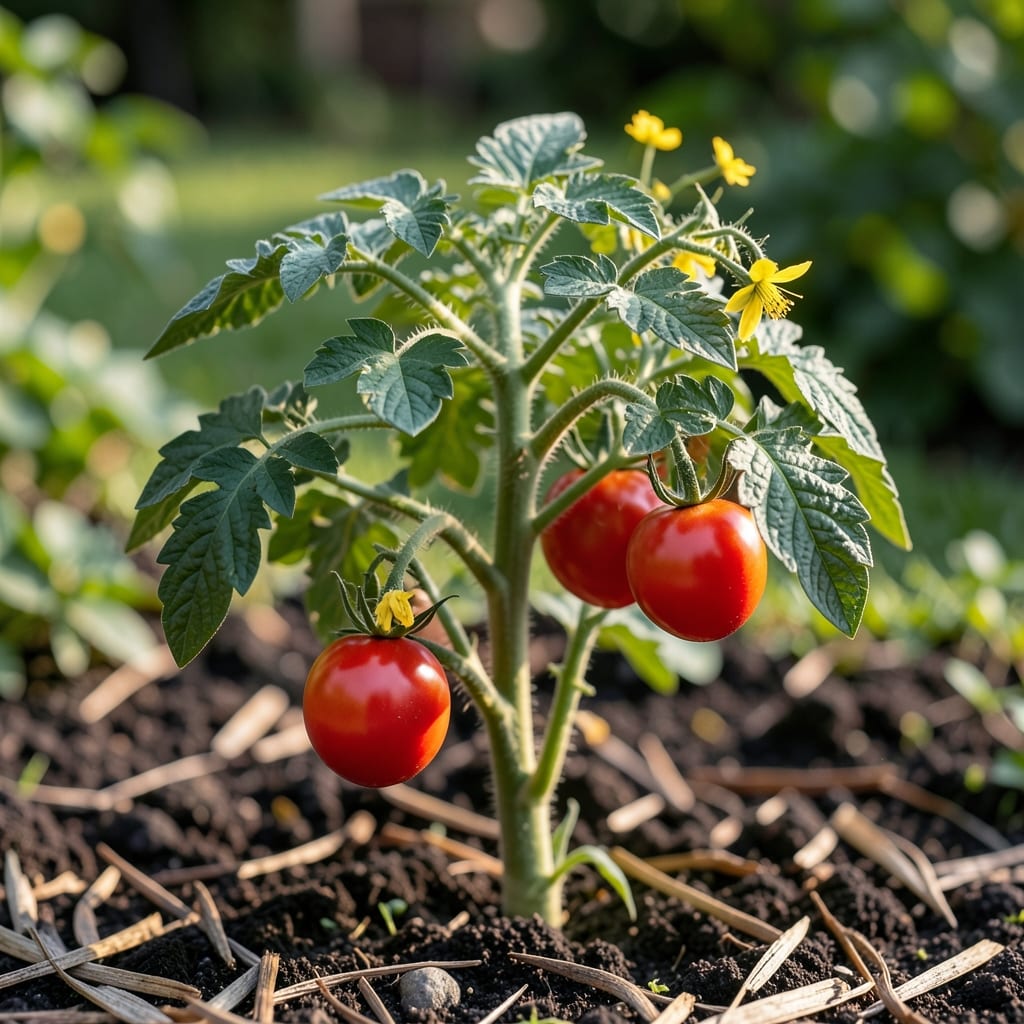
Wilted tomato leaves at noon don’t always mean disaster. I’ve saved countless plants by learning to read the signs before the damage spreads.
The fix is often simpler than you think—adjusting water, checking roots, or moving pots out of scorching sun. Most cases improve within 24-48 hours once you address the real issue.
You’ll spot the difference between thirsty plants and those drowning in soil, plus the sneaky pests that cause sudden drooping. Early action means full recovery.
Works for container and in-ground tomatoes alike. Here’s how to diagnose and fix it fast.
Several factors can lead to tomato leaves drooping, often tied to environmental stress or care mistakes. Here’s a breakdown of the most common causes:
Tomatoes thrive on consistent moisture. Underwatering causes leaves to wilt as the plant conserves water, while overwatering suffocates roots, preventing nutrient uptake. Check soil moisture 1-2 inches deep—it should feel damp but not soggy.
Extreme temperatures disrupt cellular function. Heat stress (above 90°F) accelerates transpiration, leading to wilting. Conversely, cold snaps (below 50°F) slow water uptake, causing droop. Use shade cloth for heat or row covers for chill.
Sap-sucking pests like aphids or whiteflies drain fluids from leaves, causing them to droop. Inspect undersides of leaves for tiny insects or sticky residue (honeydew). Treat with insecticidal soap or neem oil.
Pathogens like Fusarium wilt or Verticillium wilt block water flow in stems, leading to sudden drooping. Look for yellowing or brown streaks in stems. Remove infected plants and rotate crops to prevent recurrence.
Newly planted tomatoes may droop as roots adjust to soil. Minimize stress by hardening off seedlings and transplanting on cloudy days. Water deeply after planting to help roots establish.
Identify the cause early to apply the right fix and restore your plant’s vigor.
Here’s how to nurse your tomato plants back to health, mapped to the most common causes:
If the leaves are wilted and crispy, move potted plants to partial shade or erect a light shade cloth for in-ground plants. Water deeply at the base in the early morning to cool the roots. Prevention tip: 💡 Use mulch to retain soil moisture and keep roots cool.
For underwatering, soak the soil slowly until moisture reaches 6–8 inches deep. For overwatering, let the top 2 inches of soil dry out before watering again. Ensure pots have drainage holes. Prevention tip: 💡 Stick your finger into the soil—if it’s dry at 2 inches, it’s time to water.
Treat aphids or whiteflies with a strong blast of water or insecticidal soap. For fungal issues (like early blight), remove affected leaves and apply a copper-based fungicide. Prevention tip: 💡 Space plants properly for airflow and avoid wetting leaves when watering.
If drooping follows planting or repotting, trim any damaged roots and keep the soil consistently moist (not soggy) for a week. Avoid fertilizing until the plant recovers. Prevention tip: 💡 Harden off seedlings gradually before transplanting to reduce shock.
Yellowing leaves with droop often signal a lack of nitrogen or potassium. Feed with a balanced organic fertilizer or compost tea. Prevention tip: 💡 Test your soil yearly and amend as needed to maintain nutrient balance.
Yes, if caught early! Leaves often perk up within 24-48 hours once you fix the issue, like adjusting water or moving plants out of direct sun. Severely damaged leaves may not recover, but new growth will appear healthy.
Check the soil 2 inches deep. If it’s bone dry, it’s thirsty. If soggy or smelly, it’s overwatered. Underwatered leaves feel crispy; overwatered leaves appear limp and yellowing.
Yes, remove severely damaged leaves to redirect energy to healthy growth. Use clean shears and cut just above a leaf node. Avoid pruning more than 1/3 of the plant at once.
Not always! Temporary wilting on hot afternoons is normal. If leaves recover by evening, it’s likely just heat stress. Persistent drooping, especially with yellowing or spots, signals a bigger issue.