
Beautiful Plants For Your Interior
Beautiful Plants For Your Interior
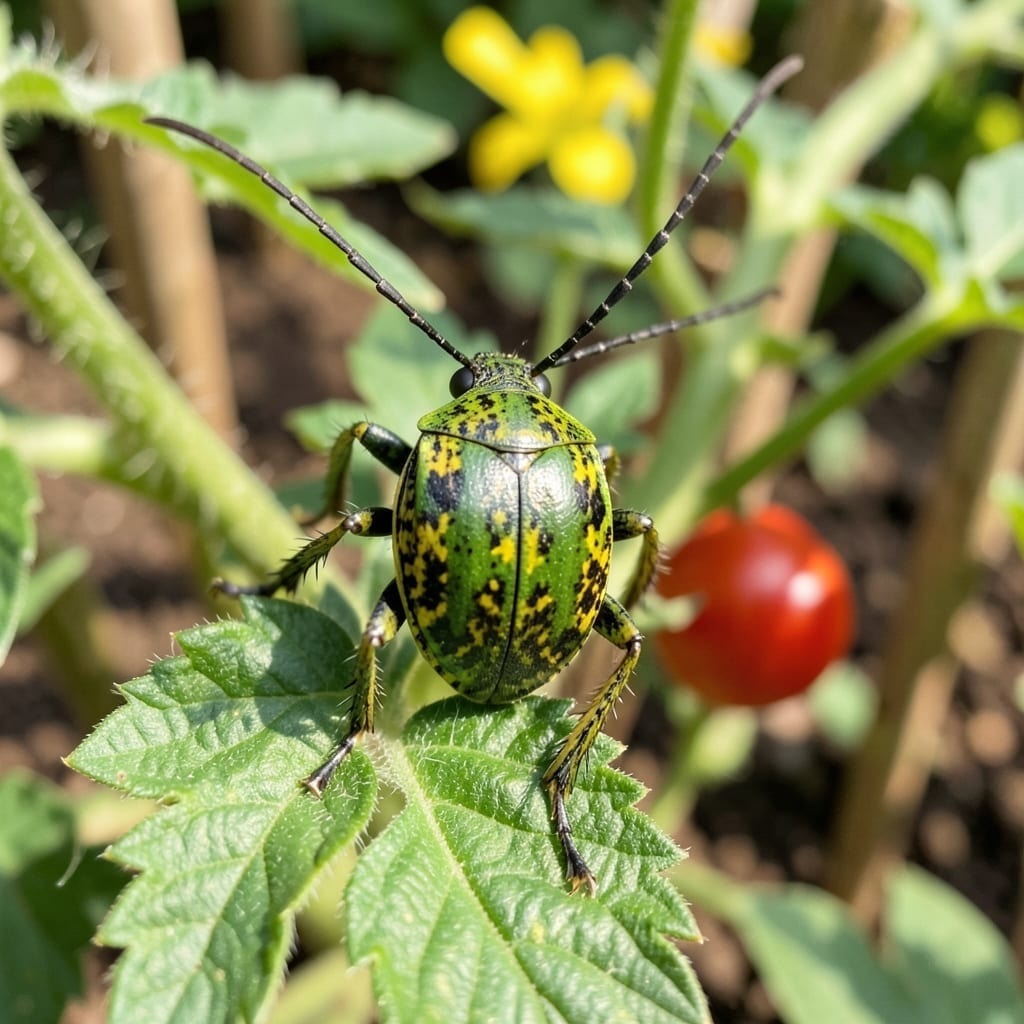
Spotted holes in your tomato leaves overnight? I’ve been there, staring at damaged plants wondering what’s eating them. Clear images are the fastest way to identify the culprit and stop the damage before it spreads.
Hornworms, aphids, or stink bugs each leave distinct marks. Once you know what you’re dealing with, the solution becomes obvious. I learned this the hard way after losing an entire crop to an unseen pest invasion.
With the right identification, you can choose between organic sprays or simple hand-picking. The key is acting fast—tomato pests multiply quickly and can destroy plants in days if left unchecked.
Prevention starts with regular inspections and maintaining healthy soil. Here’s how to spot the early warning signs before your harvest suffers.
Understanding why tomato bugs appear in your garden is the first step to preventing their spread. These pests, often hornworms or stink bugs, thrive under specific conditions. Below are the most common causes, explained scientifically for actionable insights.
Tomato bugs proliferate in dense, untidy gardens. When plants are spaced too closely, airflow is restricted, creating a humid, sheltered environment ideal for pests like tomato hornworms. These caterpillars lay eggs on the undersides of leaves, and crowded foliage makes it harder for natural predators (like birds or parasitic wasps) to reach them.
Overwatering or poor drainage leads to soggy soil, which attracts tomato bugs such as stink bugs and aphids. These pests are drawn to the soft, succulent stems and leaves of overwatered plants. Additionally, damp conditions promote fungal growth, weakening plants and making them more susceptible to infestations.
Tomato bugs thrive in warm temperatures (75–90°F). Regions with long, hot summers often see higher populations of pests like the tomato fruitworm. These insects reproduce rapidly in stable heat, with females laying hundreds of eggs in a single season. Without intervention, their numbers can explode.
Gardens lacking biodiversity often struggle with tomato bugs. Beneficial insects like ladybugs, lacewings, and parasitic wasps naturally control pest populations. If these predators are absent—due to pesticide overuse or monoculture planting—tomato bugs face no checks on their growth.
Weak or nutrient-deficient plants are more vulnerable to infestations. Tomato bugs target stressed plants because their natural defenses (like thick cuticles or bitter compounds) are compromised. Ensuring rich, well-balanced soil with organic matter can strengthen plants against pests.
Dealing with tomato bugs can be frustrating, but these practical solutions will help you reclaim your garden. Below, we map common causes to effective fixes, along with prevention tips to keep your tomato plants thriving.
If you spot tomato hornworms or other bugs on your plants, handpicking is one of the simplest and most effective methods. Wear gloves and drop the pests into a bucket of soapy water to ensure they don’t return. Check your plants daily, especially under leaves and near fruit clusters where bugs love to hide.
Prevention Tip: 💡 Encourage natural predators like birds, ladybugs, and parasitic wasps by planting companion flowers such as marigolds or basil nearby.
For larger infestations, organic sprays like neem oil or insecticidal soap can work wonders. Mix according to package instructions and apply in the early morning or late evening to avoid harming beneficial insects. Reapply after rain or every 5–7 days for best results.
Prevention Tip: 🌡️ Rotate crops yearly to disrupt the life cycle of pests that overwinter in the soil.
Release beneficial insects such as trichogramma wasps or lacewings into your garden. These predators feed on tomato bug eggs and larvae, reducing populations naturally. Purchase them from garden centers and follow release instructions carefully.
Prevention Tip: ✨ Avoid broad-spectrum chemical pesticides, which can kill helpful insects along with pests.
Protect young plants with row covers or fine mesh netting to prevent adult bugs from laying eggs. Secure the edges with soil or weights to keep pests out. Remove covers once plants start flowering to allow pollination.
Prevention Tip: 🎯 Mulch around plants with straw or wood chips to deter soil-dwelling pests and retain moisture.
By combining these methods, you can effectively manage tomato bugs and enjoy a healthy, productive garden. Stay vigilant, and your tomatoes will thank you!
They’re large green caterpillars with white diagonal stripes and a horn-like projection on their rear. Often 3-4 inches long, they blend in perfectly with tomato foliage.
Aphids are tiny (1-2mm), soft-bodied insects that cluster on new growth. They come in green, black, or pink and leave sticky honeydew residue.
Inspect plants in early morning or late evening when bugs are most active. Look under leaves and near fruit clusters where they hide during the day.
Some pests change appearance as they mature. Try searching for both larval and adult stages. Also check for regional variations common in your area.