
Beautiful Plants For Your Interior
Beautiful Plants For Your Interior
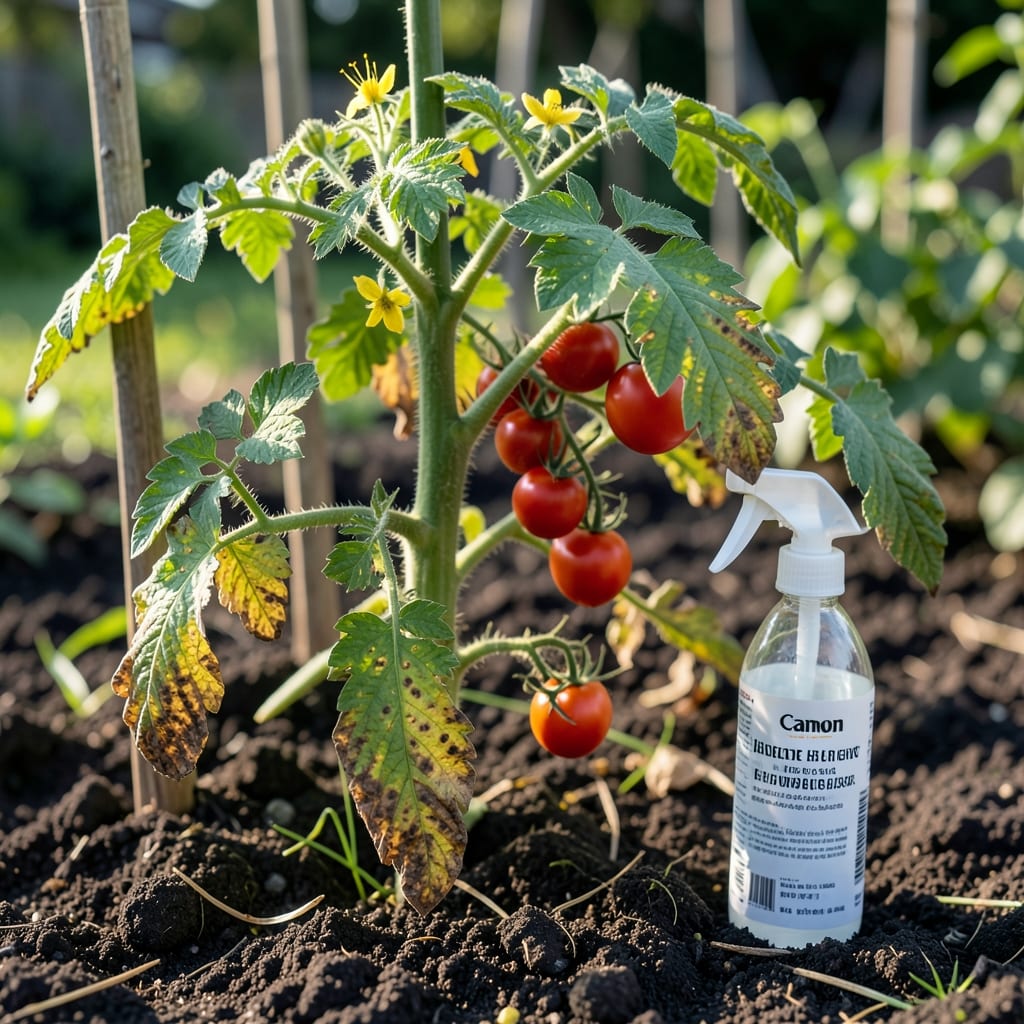
Brown spots on your tomato leaves? That’s how it starts. 🌱 I’ve lost entire crops to blight before learning that early action saves the season. This isn’t just unsightly—it spreads fast and can wipe out plants in days.
The good news: a simple spray can stop it. Organic options work just as well as chemicals if you catch it early. Copper-based sprays or homemade baking soda mixes create a protective barrier that keeps plants healthy and productive.
Prevention is even easier. Rotate crops, space plants properly, and water at the base to avoid wet leaves. These small steps make a big difference in keeping blight at bay.
No garden should suffer from this common issue. With the right approach, your tomatoes will thrive all season long.
Understanding why tomato blight occurs is the first step to preventing it. This devastating fungal disease thrives under specific conditions, often catching gardeners off guard. Below are the primary causes, explained scientifically yet simply.
Blight fungi, like Phytophthora infestans (late blight) or Alternaria solani (early blight), require prolonged leaf wetness to germinate and spread. Heavy rainfall, overhead watering, or high humidity creates the perfect breeding ground. Poor airflow between plants exacerbates the problem by slowing evaporation, keeping foliage damp for longer. Crowded plantings or dense canopies trap moisture, accelerating spore production.
Temperature plays a critical role. Late blight thrives in cool (60–75°F) and wet environments, while early blight prefers warmer (75–85°F) and humid conditions. These fungi release spores that travel via wind or water splashes, infecting nearby plants. A single infected plant can quickly spread blight to an entire garden if conditions remain favorable.
The fungi overwinter in infected plant debris or soil, lying dormant until spring. If you don’t remove and destroy blighted plants or rotate crops, the spores reactivate with the next growing season. Contaminated tools, stakes, or even compost can also harbor and spread the disease.
Some tomato varieties lack genetic resistance to blight. Heirloom or older cultivars, while flavorful, are often more vulnerable than modern hybrid varieties bred for disease resistance. Planting susceptible types without preventive measures increases the risk of outbreaks.
Addressing these root causes—through proper spacing, drip irrigation, crop rotation, and resistant varieties—can significantly reduce the need for tomato blight spray interventions.
Once tomato blight strikes, quick action is key to saving your plants. Below are targeted fixes for the most common causes, along with prevention tips to keep your garden thriving.
If you spot early blight (brown spots with rings) or late blight (dark, greasy patches), act fast. Prune infected leaves and stems immediately—use sterilized shears to avoid spreading spores. Dispose of debris far from your garden (do not compost). Then, apply a copper-based fungicide or organic neem oil spray every 7–10 days until the issue clears. 💡 Pro tip: Spray in the early morning so leaves dry quickly, reducing fungal growth.
Blight thrives in wet conditions. Switch to drip irrigation or water at the base of plants (avoid wetting leaves). Water in the morning so excess moisture evaporates by afternoon. If your soil stays soggy, improve drainage with compost or mulch. 💡 Pro tip: Use a moisture meter to avoid overwatering—tomatoes prefer soil that’s moist but not waterlogged.
Crowded plants trap humidity, inviting blight. Thin seedlings to 18–24 inches apart and prune suckers (side shoots) to improve airflow. Stake or cage plants to keep foliage off the ground. 💡 Pro tip: Plant in raised beds for better circulation and faster drying.
If blight recurs yearly, the soil may harbor spores. Rotate crops—avoid planting tomatoes (or peppers/eggplants) in the same spot for at least 3 years. For severe cases, solarize soil by covering beds with clear plastic for 4–6 weeks in summer to kill pathogens. ✨ Bonus: Add beneficial fungi (like Trichoderma) to outcompete harmful microbes.
Prevention is easier than cure! Start with disease-resistant tomato varieties (look for labels like “VFN” for verticillium/fusarium resistance) and sanitize tools with rubbing alcohol between uses. A little vigilance goes a long way in keeping blight at bay.
Apply copper-based sprays or baking soda mixes every 7-10 days during wet seasons. Start before symptoms appear for best results. Reapply after heavy rain.
Yes! Mix 1 teaspoon baking soda, 1 quart water, and a drop of dish soap. Spray weekly as a preventive. For active infections, use neem oil or copper fungicide.
Spray in the early morning so leaves dry quickly. Avoid evening applications, as dampness overnight encourages fungal growth. Always apply in dry weather.
If over 30% of the plant is infected, removal is safer. Sprays can slow spread but won’t cure severe cases. Focus on prevention for healthy plants.