
Beautiful Plants For Your Interior
Beautiful Plants For Your Interior
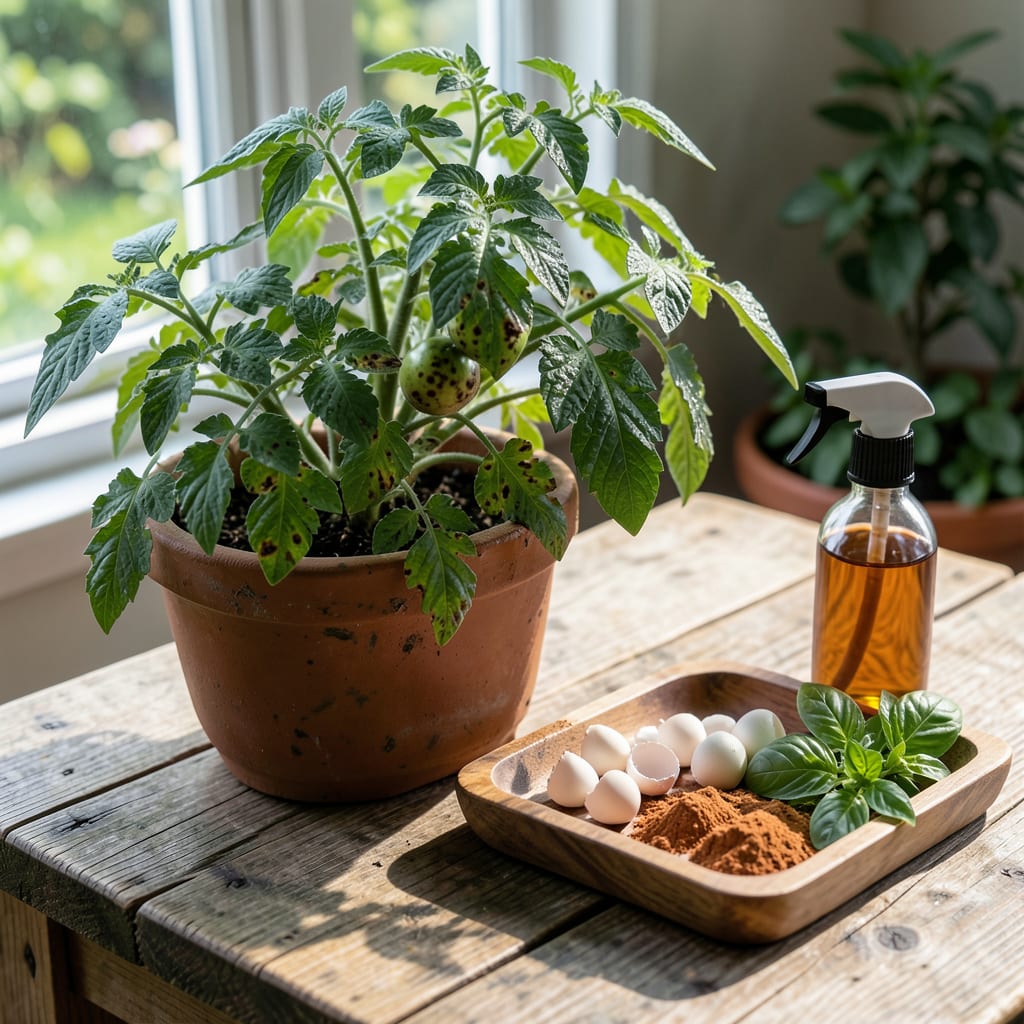
Dark brown spots on lower leaves spelled disaster for my tomatoes last year. I learned early blight spreads fast if you ignore it, but catching it early saves your crop.
This fungal disease thrives in wet, warm conditions, and it starts at the bottom of the plant. Once I spotted the concentric rings on leaves, I knew I had to act before it climbed upward.
Organic treatments like copper sprays and baking soda solutions worked when applied consistently. Removing infected leaves immediately stops the spread to healthy foliage.
The key is vigilance and fast action. With the right approach, your tomatoes can still produce a full harvest despite the early blight threat.
Early blight in tomato plants is primarily caused by the fungus Alternaria solani, which thrives under specific environmental conditions. Understanding these causes can help you prevent and manage the disease effectively.
The fungus Alternaria solani spreads rapidly in warm, wet weather. Prolonged leaf wetness—from rain, overhead irrigation, or dew—creates the perfect environment for spores to germinate and infect tomato foliage. Temperatures between 75–85°F (24–29°C) combined with high humidity accelerate the disease’s progression.
Dense plant spacing or overgrown foliage restricts airflow, trapping moisture around leaves. This stagnant, humid microclimate allows fungal spores to settle and multiply. Pruning excess leaves and maintaining proper plant spacing can reduce this risk.
The fungus overwinters in infected plant debris, soil, or even gardening tools. If last season’s tomato or potato crops had early blight, the spores can linger and reinfect new plants. Crop rotation and removing old plant material help break this cycle.
Watering from above wets the leaves, providing the moisture A. solani needs to thrive. Drip irrigation or soaker hoses deliver water directly to the roots, keeping foliage dry and less susceptible to infection.
Some tomato varieties are more vulnerable to early blight than others. Heirloom or non-resistant cultivars may show symptoms sooner. Opting for disease-resistant varieties (marked with codes like EB for early blight resistance) can significantly lower the risk.
Early blight can be stubborn, but these targeted solutions will help you stop the spread and restore plant health. Act fast for the best results!
Prune affected leaves and stems immediately using clean, sharpened shears. Dispose of debris in sealed bags—never compost it, as spores can linger. Sterilize tools with rubbing alcohol between cuts to prevent further contamination.
Early blight thrives in damp, crowded conditions. Space plants 2–3 feet apart for better circulation. Water at the base (not overhead) in the morning so foliage dries quickly. Drip irrigation is ideal. 💡 Pro tip: Mulch with straw to reduce soil splash, which spreads spores.
For active outbreaks, spray with copper-based fungicides or neem oil (mixed with water and a drop of soap). Apply every 7–10 days or after rain. Baking soda spray (1 tbsp baking soda + 1 tsp oil + 1 gallon water) can also slow progression for mild cases.
Boost resilience with balanced fertilizer (avoid excess nitrogen, which promotes leafy growth vulnerable to blight). Compost tea or seaweed extract sprays enhance natural resistance. Rotate crops yearly to disrupt fungal cycles.
It can move to nearby plants in 7-14 days if conditions are wet and warm. Isolate affected plants and avoid touching healthy ones after handling infected foliage.
If over 50% of the plant is affected, removal is best to protect others. For mild cases, aggressive pruning and fungicide may restore health.
Yes, spores survive in soil and debris. Always rotate crops and remove old plant material in fall to prevent recurrence.
They work faster but organic options like copper sprays are nearly as effective with consistent application. Always follow label instructions.
