
Beautiful Plants For Your Interior
Beautiful Plants For Your Interior
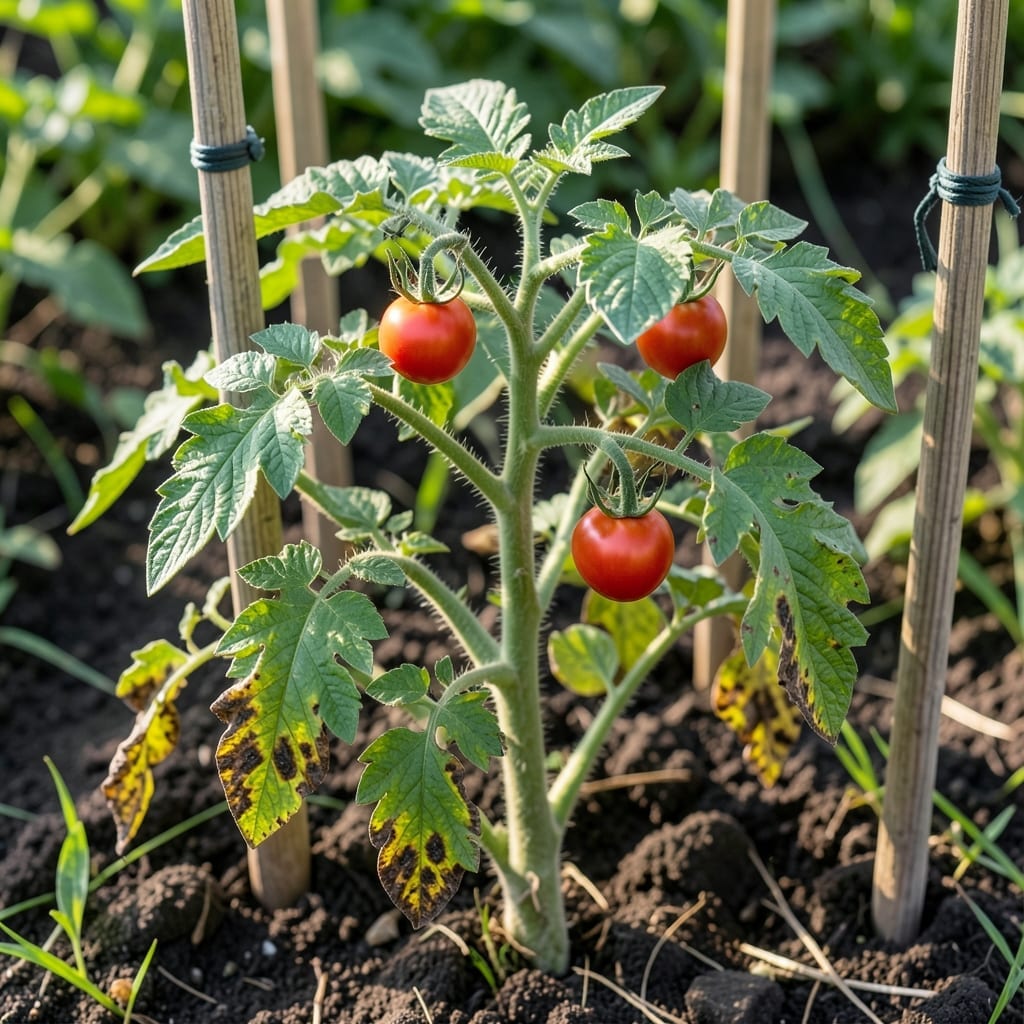
Spotted brown patches on your tomato leaves mean trouble. I learned the hard way that early blight spreads fast if you don’t catch it in 48 hours. The first sign is often small, dark spots with concentric rings on lower leaves.
Left unchecked, it moves up the plant, turning leaves yellow and crispy. The stems develop dark lesions too. This fungus thrives in wet, humid conditions—exactly what most gardens get after a summer rain.
Prevention starts with spacing plants for airflow and watering at the base. Remove infected leaves immediately and don’t compost them. A simple copper fungicide spray can stop the spread if applied early.
Once it takes hold, pull the whole plant to protect the rest. Next season, rotate crops and choose blight-resistant varieties. This battle is winnable with vigilance.
Tomato blight is a frustrating problem, but understanding its root causes can help you prevent it. Here’s why it happens:
Early and late blight are primarily caused by fungal pathogens: Alternaria solani (early blight) and Phytophthora infestans (late blight). These fungi thrive in warm, humid conditions and spread through airborne spores or contaminated soil, tools, or water. Overhead watering or crowded plants create the perfect environment for spores to germinate and infect leaves, stems, and fruit.
Blight flourishes in wet foliage. Prolonged leaf wetness—from rain, dew, or poor irrigation practices—gives fungal spores the moisture they need to take hold. Plants in poorly drained soil or those watered late in the day (when leaves stay damp overnight) are especially vulnerable.
Dense plantings or lack of pruning restrict airflow, trapping humidity around the foliage. This stagnant, moist air accelerates spore germination and disease spread. Proper spacing (18–24 inches between plants) and pruning lower leaves can significantly reduce risk.
Blight pathogens can overwinter in infected plant debris or soil. If you don’t remove and destroy blighted plants at the end of the season, the fungi survive to reinfect next year’s crop. Crop rotation (avoiding tomatoes or potatoes in the same spot for 2–3 years) breaks this cycle.
Armed with this knowledge, you can disrupt the conditions that fuel blight and keep your tomato plants healthier!
Once you spot tomato blight signs, act fast to save your plants and prevent further spread. Below are targeted solutions for each type of blight, along with prevention tips to keep your garden healthy.
If you notice concentric brown spots on lower leaves, prune infected foliage immediately and dispose of it in the trash (not compost). To prevent recurrence:
For grayish spots with a water-soaked edge on leaves and fruit, remove infected plants entirely to stop the spread. Treat remaining plants with copper-based fungicides (follow label instructions). Prevention is key:
Small, circular spots with gray centers? Remove and destroy infected leaves, then sanitize tools with rubbing alcohol. Prevent future outbreaks by:
💡 Pro Tip: Always sterilize gardening tools and avoid working with wet plants to minimize disease spread. Early action and consistent care are your best defenses!
Under ideal conditions for the fungus, blight can spread through an entire garden in 2-3 days. Warm, wet weather accelerates spore production and dispersal.
Yes, late blight often causes dark, sunken lesions on tomatoes. Early blight may create small, dry spots near the stem. Infected fruit should be removed immediately to prevent further spread.
Early blight starts with concentric rings on lower leaves, while late blight shows grayish, water-soaked spots. Late blight also progresses faster and affects all plant parts.
The fungi can overwinter in soil and plant debris. Always remove and destroy infected plants, and practice 3-year crop rotation to prevent recurrence.