
Beautiful Plants For Your Interior
Beautiful Plants For Your Interior
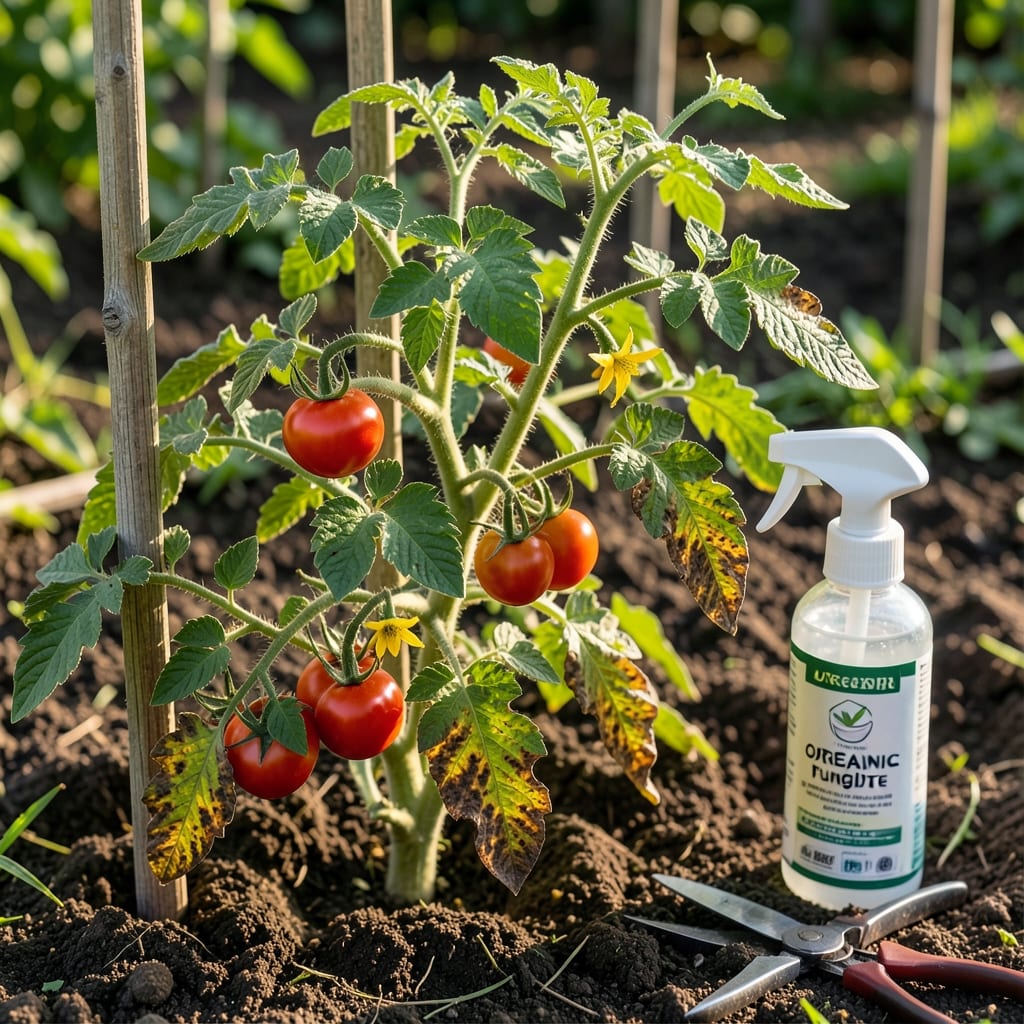
Last summer, I lost half my tomato crop to blight in 10 days. The brown spots spread fast, turning leaves crispy and fruit mushy. It’s devastating to watch, but catching it early changes everything.
The first sign isn’t dramatic—just small, water-soaked spots on lower leaves. Left unchecked, it climbs the plant like wildfire. I’ve learned organic methods can stop it cold if you act before it reaches the stem.
Copper sprays and baking soda mixes work, but prevention is simpler. Space plants for airflow, water at the base, and remove infected leaves immediately. These steps saved my garden this year.
No chemical warfare needed. Just vigilance and the right tools at the right time. Your tomatoes can bounce back.
Tomato blight is a common and destructive disease, but understanding its root causes can help you prevent and manage it effectively. Here are the primary reasons why it occurs:
The most common culprits are Phytophthora infestans (late blight) and Alternaria solani (early blight). These fungi thrive in warm, wet conditions, spreading rapidly through spores carried by wind, water, or infected plant debris.
Overwatering, poor drainage, or high humidity create the perfect breeding ground for blight. Wet foliage, especially overnight, allows fungal spores to germinate and infect leaves, stems, and fruit.
Blight can linger in soil or on gardening tools from previous infections. Using unsterilized tools or planting in contaminated soil reintroduces the disease to healthy plants.
Crowded plants trap moisture and limit airflow, making it easier for fungal spores to settle and spread. Proper spacing and pruning are key to reducing this risk.
Cool, damp nights (below 60°F) followed by warm days (70–80°F) accelerate blight development. These conditions are ideal for spore production and infection.
By addressing these factors, you can significantly reduce the likelihood of blight taking hold in your garden.
Dealing with tomato blight doesn’t mean the end of your garden. Here’s how to tackle the most common causes and restore your plants to health.
Fix: Remove infected leaves or plants immediately to prevent spread. Apply copper-based fungicides or a homemade spray of 1 tsp baking soda + 1 quart water + a drop of dish soap. Spray weekly or after rain.
Prevent: Space plants for airflow, water at the base (not leaves), and rotate crops yearly. 💡 Pro tip: Use mulch to reduce soil splashing onto leaves.
Fix: Let soil dry slightly between waterings. If roots are soggy, improve drainage by mixing in compost or sand. Trim yellowing leaves to redirect energy.
Prevent: Use drip irrigation and plant in raised beds if your soil retains too much moisture. 🌡️ Check: Stick your finger 2 inches into soil—water only if dry.
Fix: Sterilize pruners and stakes with rubbing alcohol. Replace or solarize infected soil (cover with clear plastic for 4–6 weeks to heat-treat).
Prevent: Clean tools after each use and avoid composting blighted plants. ✨ Bonus: Plant resistant varieties like ‘Mountain Merit’ or ‘Defiant’ next season.
Fix: Remove pests by hand or spray with neem oil. Strengthen plants with a seaweed-based foliar feed to boost immunity.
Prevent: Encourage beneficial insects (ladybugs, lacewings) and inspect plants daily. 🎯 Quick win: Yellow sticky traps catch whiteflies and aphids early.
Under ideal fungal conditions, it can destroy plants in 3-5 days. Early action is critical to stop the spread.
If the stem is infected, remove the entire plant to protect others. Isolated leaf spots can still be treated with copper spray.
Yes! Try ‘Mountain Merit’, ‘Defiant’, or ‘Jasper’. These hybrids show strong resistance to both early and late blight.
Never compost blighted plants. The fungi survive and can reinfect next season’s garden. Burn or bag them instead.