
Beautiful Plants For Your Interior
Beautiful Plants For Your Interior
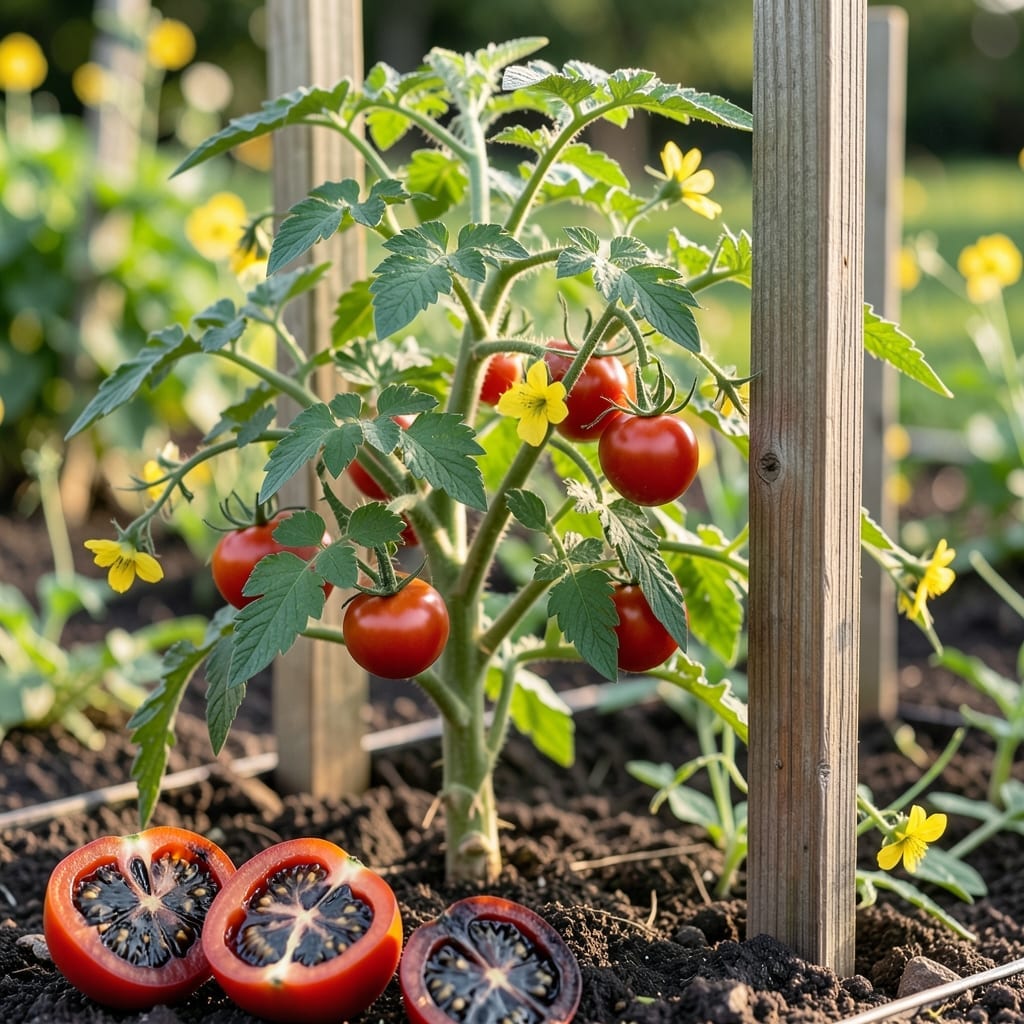
Nothing kills the joy of harvest like cutting into a tomato and finding black inside. I’ve lost dozens of perfect-looking fruits this way, only to discover the damage too late.
Here’s the thing—this usually isn’t a disease. It’s often blossom-end rot or internal bruising, both of which start with simple fixes like consistent watering and proper calcium levels.
You’ll save this year’s crop by catching the early signs: dark patches at the blossom end or soft spots on the skin. The solution is easier than you think.
Works for heirlooms, cherries, and beefsteaks alike. Let’s get your plants back to producing healthy tomatoes again.
Tomatoes turning black inside are often a sign of underlying issues affecting the fruit’s development. Here are the most common causes, explained with scientific precision:
This physiological disorder occurs due to calcium deficiency in the developing fruit, often triggered by inconsistent watering or soil imbalances. Calcium is essential for cell wall stability, and its lack causes tissue breakdown, leading to dark, sunken lesions at the blossom end. While the exterior may show browning, the interior can turn black as the tissue necrotizes.
Pathogens like Alternaria alternata (black mold) or Phytophthora infestans (late blight) can invade tomatoes, causing internal blackening. These fungi thrive in humid, poorly ventilated conditions and enter through wounds or weak spots. Infected fruits develop dark, water-soaked patches internally, often accompanied by a foul odor.
Excessive nitrogen or potassium can disrupt calcium uptake, exacerbating disorders like blossom end rot. Similarly, a lack of magnesium or phosphorus may lead to poor fruit development, manifesting as internal discoloration. Soil testing is critical to identify and correct these imbalances.
Extreme heat or cold can disrupt cellular processes in tomatoes, leading to tissue death (necrosis). Heat stress, for example, accelerates moisture loss, while cold shock damages cell membranes. Both conditions can result in blackened, mushy interiors, especially in vulnerable varieties.
Dealing with tomatoes that are black inside can be frustrating, but there are effective ways to address the root causes. Below are practical solutions tailored to each common cause, along with prevention tips to keep your plants thriving.
If the blackening is at the blossom end, your tomatoes likely lack calcium. Fix it by:
Prevention tip: 💡 Test your soil’s pH (aim for 6.2–6.8) and amend with lime if it’s too acidic.
For internal blackening caused by fungi (e.g., Alternaria or Phytophthora):
Prevention tip: ✨ Rotate crops yearly and avoid overhead watering to keep leaves dry.
Extreme heat or cold can trigger internal discoloration. Mitigate it by:
Prevention tip: 🎯 Choose heat-tolerant varieties like ‘Solar Fire’ or ‘Heatmaster’.
If chemicals are the culprit, switch to gentler methods:
Prevention tip: 🌿 Always follow label instructions and test sprays on a small area first.
By targeting the specific cause and adopting these habits, you’ll grow healthier tomatoes with vibrant, blemish-free interiors. Stay consistent—prevention is easier than cure!
No, discard them. Black interiors often indicate rot or fungal growth, which can harbor harmful bacteria. Even if it looks isolated, the flavor and texture will be off.
Uneven watering or calcium deficiency often affects fruits at different stages. Early tomatoes may escape issues if conditions improve. Varieties also vary in susceptibility to stress.
Yes, overwatering leads to root stress, which disrupts calcium uptake. This mimics drought stress, triggering blossom end rot. Maintain consistent moisture instead.
Foliar calcium sprays work within 24-48 hours. For soil amendments like eggshells, expect 2-3 weeks for noticeable improvement. Test soil pH first for best results.