
Beautiful Plants For Your Interior
Beautiful Plants For Your Interior
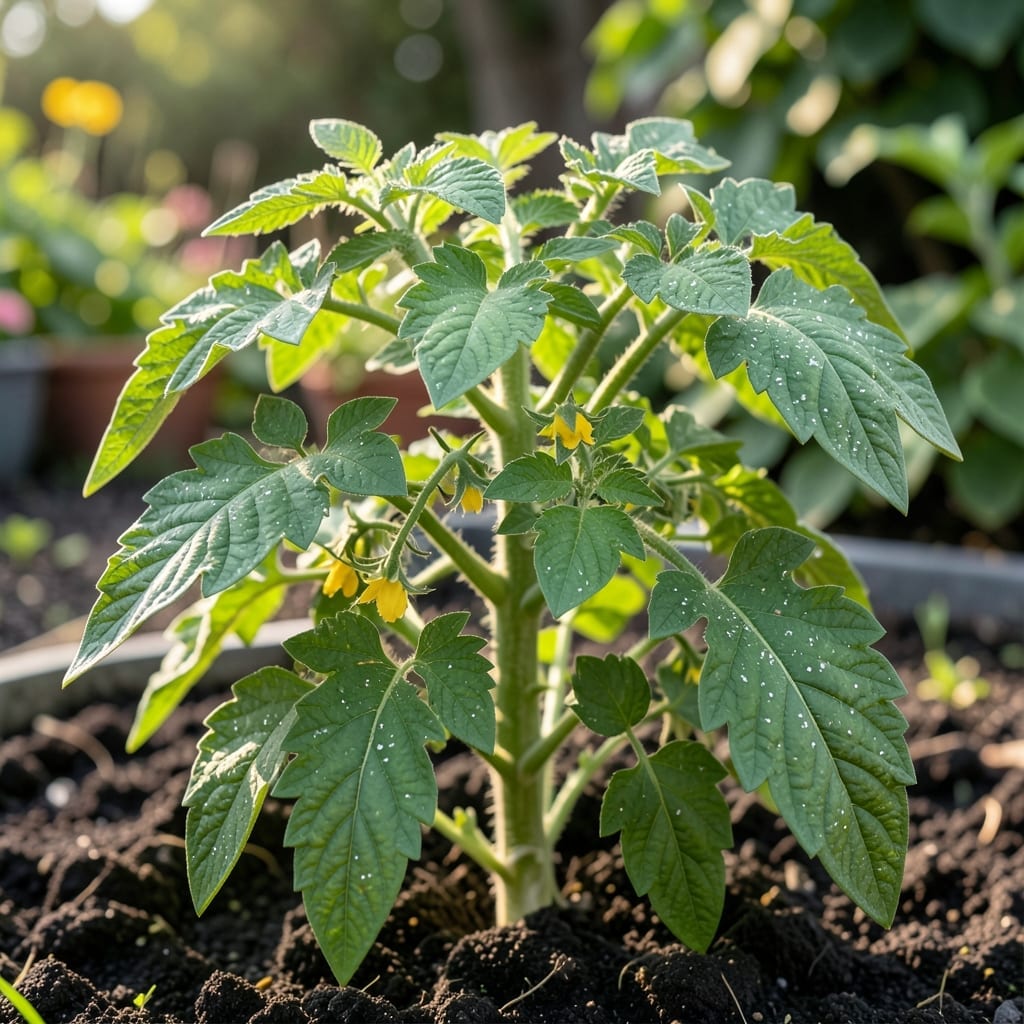
Those tiny white spots on your plant leaves aren’t just unsightly—they’re a message. I’ve seen them signal everything from overzealous watering to sneaky pest infestations, and each cause needs a different fix.
Edema shows up as blister-like bumps from inconsistent moisture, while pests like spider mites leave stippling that feels like sandpaper. The location and texture tell you which battle you’re fighting.
You’ll need to play detective: check leaf undersides, note watering habits, and look for webbing or sticky residue. The solution often costs nothing but attention and adjustment.
Once identified, most issues clear up within 1-2 weeks with the right care. Your plants will thank you with healthier, spot-free foliage.
Tiny white spots on plant leaves can stem from several underlying issues, each with distinct triggers. Below are the most common causes, explained scientifically for clarity and actionability.
Edema occurs when plant cells absorb water faster than they can expel it, leading to ruptured cells and small, blister-like bumps. This is common in high-humidity environments or after sudden temperature drops. Overwatering or poor drainage can exacerbate it, as roots take up excess water that the leaves can’t transpire efficiently.
Pests like spider mites, mealybugs, or whiteflies leave behind tiny white spots as they feed or lay eggs. Spider mites pierce leaf cells, causing stippling, while mealybugs secrete white, cottony residues. Inspect the undersides of leaves for webbing or clusters—tell-tale signs of an active infestation.
Fungi such as powdery mildew or downy mildew manifest as white, powdery spots. These thrive in warm, damp conditions with poor air circulation. Powdery mildew appears on leaf surfaces, while downy mildew forms on the undersides. Both spread rapidly if untreated.
Hard water or foliar sprays can leave calcium or magnesium residues on leaves, appearing as white specks. This is harmless but unsightly. Switch to distilled water or wipe leaves gently with a damp cloth to prevent buildup.
Actionable tip: Isolate the cause by checking watering habits, humidity levels, and leaf undersides for pests or fungal growth.
Addressing tiny white spots on plant leaves starts with identifying the root cause. Here’s a practical guide to solutions, mapped by the most common culprits:
Mix 1 teaspoon of baking soda and 1 quart of water with a few drops of dish soap. Spray the solution on affected leaves weekly until the spots disappear. Prevention tip: 💡 Improve air circulation around plants and avoid overhead watering to keep foliage dry.
Reduce watering frequency and ensure proper drainage. If the plant is in a humid environment, increase ventilation or move it to a less humid area. Prevention tip: 🌡️ Water early in the day so excess moisture evaporates quickly.
Wipe leaves with a cotton swab dipped in rubbing alcohol to remove pests. For severe cases, use insecticidal soap or neem oil spray. Prevention tip: ✨ Regularly inspect plants for early signs of pests and isolate new plants for a few weeks before introducing them.
Rinse leaves with distilled or rainwater to remove mineral buildup. If tap water is the only option, let it sit out overnight to allow chlorine to evaporate before use. Prevention tip: 🎯 Use a water filter or collect rainwater for consistent care.
Most cases are treatable and won’t cause long-term damage if addressed quickly. Edema and mineral deposits are harmless, while pests or fungi can weaken plants over time.
Check leaf undersides for webbing (mites) or cottony residue (mealybugs). Fungal spots often spread and look powdery, while pest damage appears as stippling.
Yes, but let it sit out for 24 hours first to reduce chlorine and minerals. For sensitive plants, switch to distilled or rainwater.
Mineral deposits may fade, but pests and fungi won’t disappear without treatment. Edema spots remain but won’t spread if conditions improve.