
Beautiful Plants For Your Interior
Beautiful Plants For Your Interior
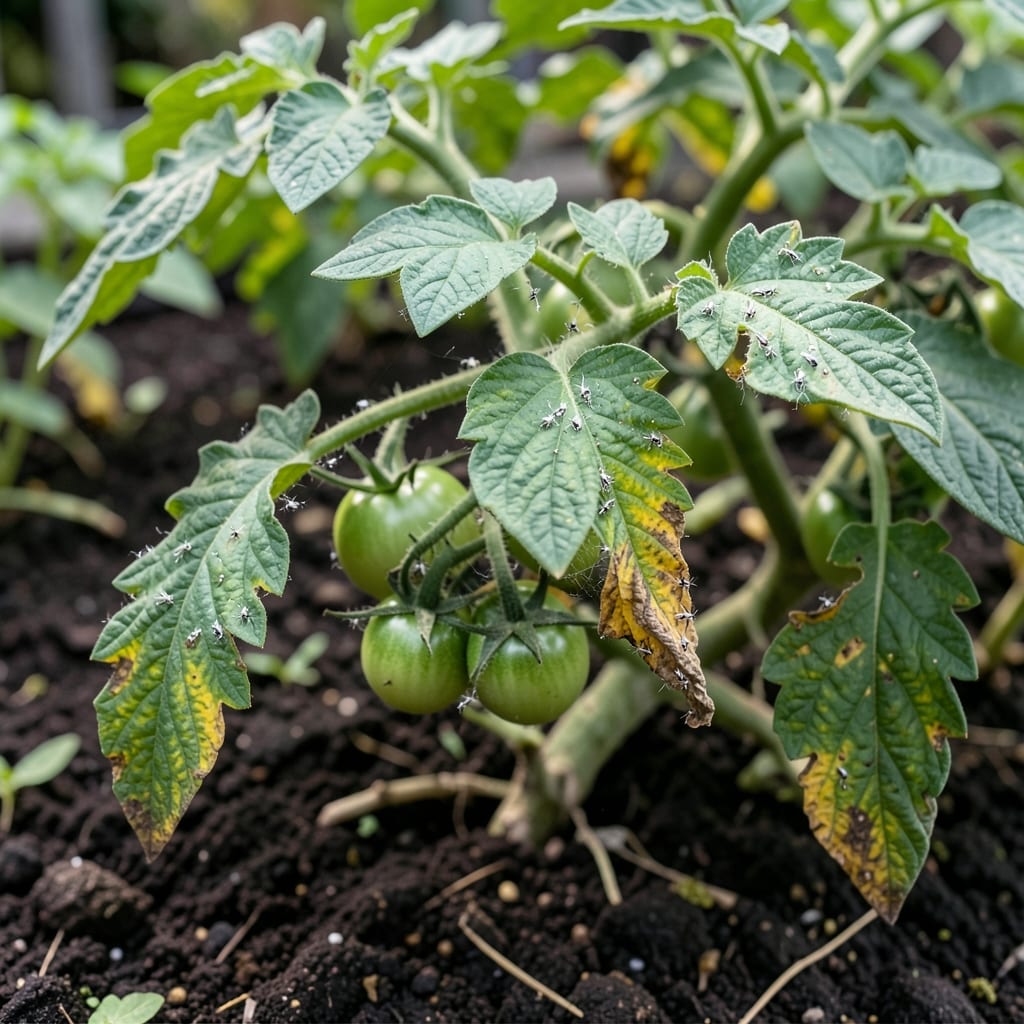
Those tiny white clouds hovering over your plants aren’t pollen—they’re trouble. 🌱 I first noticed them when my tomato leaves started looking like Swiss cheese, and by then, the battle was already joined.
Whiteflies cluster on leaf undersides, sucking sap and leaving sticky residue that attracts mold. They love tomatoes, peppers, and ornamentals, but they’ll infest just about anything given half a chance.
Here’s the thing—these pests multiply fast. A few today become hundreds tomorrow. Organic removal works best when you catch them early, before they’ve taken over your entire garden.
The good news? With the right approach, you can evict them for good and keep them from coming back.
The presence of tiny white flies in your home or garden is rarely random. These pests, often whiteflies or fungus gnats, thrive under specific conditions that favor their rapid reproduction. Understanding these triggers is the first step toward effective control.
Excess moisture in soil creates the perfect breeding ground for fungus gnats, a common type of tiny white fly. Overwatered potted plants or poorly drained garden beds allow larvae to develop undisturbed. Action: Let the top inch of soil dry between waterings and ensure containers have drainage holes.
Whiteflies target stressed or densely packed plants, which emit volatile organic compounds that attract them. Weak plants lack defenses, making them easy hosts for infestation. Action: Thin out crowded foliage and boost plant health with balanced fertilization.
These flies thrive in temperatures between 70–85°F (21–29°C) with high humidity. Greenhouses, indoor gardens, or tropical climates are prime habitats. Action: Improve ventilation, use dehumidifiers, or introduce fans to disrupt their comfort zone.
In outdoor settings, beneficial insects like ladybugs or lacewings keep whitefly populations in check. Indoor infestations often explode due to the absence of these predators. Action: Introduce natural enemies or use sticky traps to interrupt their life cycle.
Dealing with these pesky invaders? Here’s how to tackle the problem head-on with simple, effective solutions tailored to each cause.
Fix: Let the soil dry out between waterings. Repot plants in well-draining soil and ensure containers have drainage holes. Use a moisture meter to avoid guesswork. Prevention tip: 💡 Water only when the top inch of soil feels dry to the touch.
Fix: Isolate new plants for 2–3 weeks to monitor for signs of infestation. For affected soil, remove the top layer and replace it with fresh, sterile potting mix. Prevention tip: 🎯 Always inspect new plants and soil before introducing them to your garden or indoor collection.
Fix: Improve airflow by spacing plants apart and using a small fan on low settings for indoor gardens. Prune dense foliage to allow better ventilation. Prevention tip: ✨ Keep a consistent airflow to discourage future outbreaks.
Fix: Spray plants with a neem oil solution (1 tsp neem oil + 1 tsp dish soap + 1 quart water) every 5–7 days until the flies are gone. Yellow sticky traps can also capture adults. Prevention tip: 🌡️ Apply preventive neem oil sprays monthly to keep pests at bay.
Fix: Remove any decomposing leaves, fallen debris, or overripe fruit near your plants. Clean up plant saucers and avoid leaving standing water. Prevention tip: 🔥 Regularly check for and remove organic buildup to eliminate breeding grounds.
Whiteflies are tiny white insects that fly up when disturbed, usually found on leaf undersides. Fungus gnats look like small mosquitoes and hover near soil. A quick check of their location makes identification easy.
Tomatoes, peppers, and greenhouse plants are prime targets. They also love ornamentals like poinsettias and hibiscus. Any plant with soft, tender leaves can attract them.
Apple cider vinegar traps can catch adults but won’t eliminate eggs or larvae. Combine with other methods like neem oil or sticky traps for best results.
No, these pests multiply rapidly and won’t leave without intervention. Left unchecked, they’ll spread to other plants and cause significant damage.