
Beautiful Plants For Your Interior
Beautiful Plants For Your Interior
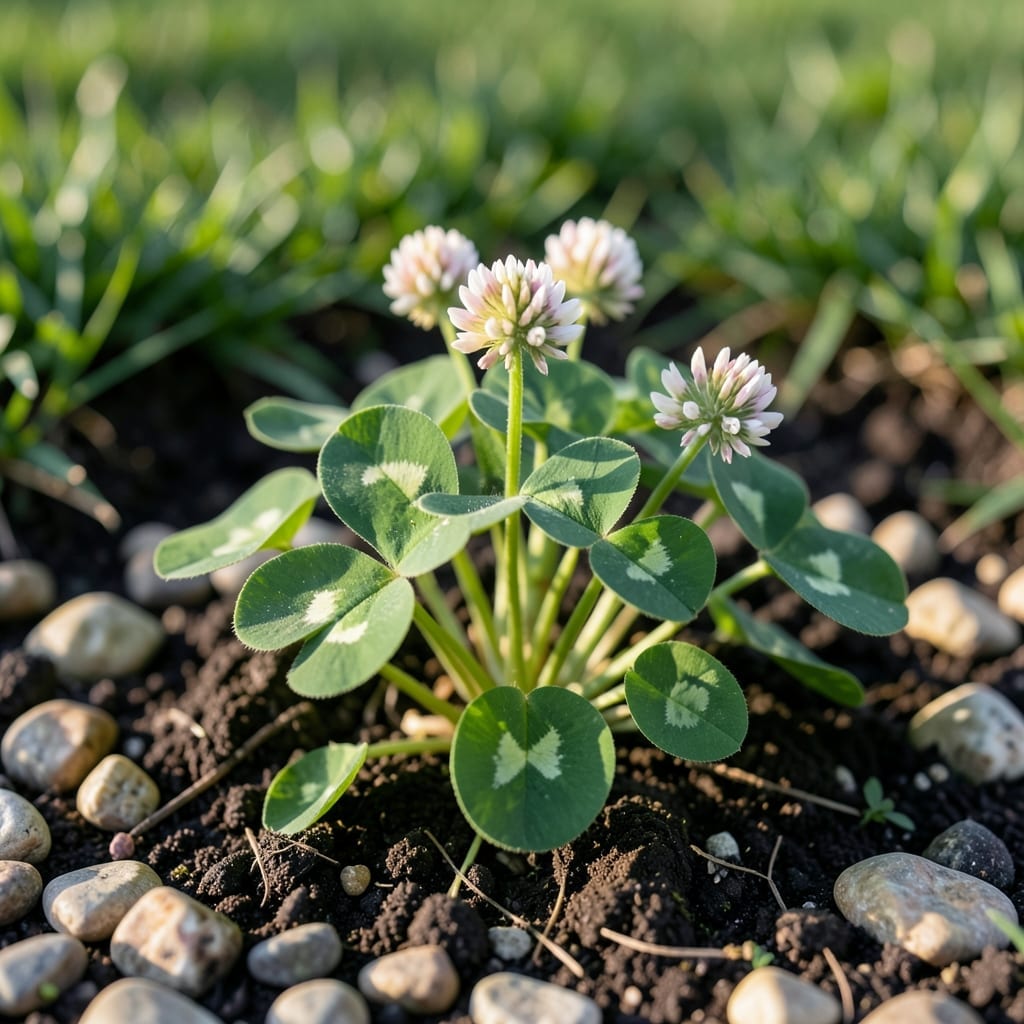
Those little white blooms popping up in your grass aren’t random—they’re trying to tell you something. I’ve seen lawns transformed by simply learning what these plants actually are before deciding to pull them.
Some are stubborn weeds like chickweed or clover, while others might be beneficial wildflowers that bees adore. The key is knowing the difference so you don’t remove the wrong ones. A quick inspection of the leaves and stems usually gives it away.
If they’re weeds, targeted removal keeps them from spreading. If they’re wildflowers, you might want to let them thrive. Either way, a healthier lawn starts with understanding what’s growing in it.
A little knowledge now saves you hours of frustration later. Here’s how to identify them properly.
Tiny white flowers in your lawn can appear for several reasons, often tied to environmental conditions or the presence of specific plant species. Here’s a breakdown of the most common causes:
Many tiny white flowers are produced by broadleaf weeds like chickweed (Stellaria media) or white clover (Trifolium repens). These plants thrive in thin or sparse lawns where grass struggles to compete. Chickweed, for example, spreads rapidly in cool, moist soil, while clover tolerates poor nitrogen levels, often outcompeting grass in under-fertilized areas.
If you’ve planted a wildflower mix or microclover seed blend, tiny white blooms may be intentional! Many eco-friendly lawn alternatives include low-growing clover varieties or wildflowers like sweet alyssum (Lobularia maritima), which produce small, delicate white flowers. These species are often added to reduce the need for fertilization and support pollinators.
Poor drainage or compacted soil can create ideal conditions for moisture-loving weeds. Plants like pearlwort (Sagina procumbens) or mouse-ear chickweed (Cerastium fontanum) thrive in damp, trampled areas where grass roots struggle to penetrate. Overwatering or heavy foot traffic can exacerbate this issue, leading to patches of tiny white flowers.
Cutting your lawn too short weakens grass, allowing low-growing weeds to take over. Many tiny white flowering plants, such as creeping thyme or mazurek daisy (Leucanthemum vulgare), stay close to the ground and flourish when the grass is scalped, exposing bare soil to sunlight and weed seeds.
Dealing with tiny white flowers in your lawn often means tackling invasive weeds or wildflowers. Here’s how to solve the issue based on the cause, with practical fixes and prevention tips.
Fix: Hand-pull small patches or use a post-emergent herbicide labeled for broadleaf weeds. For organic control, apply corn gluten meal in early spring to prevent seeds from sprouting. Mow high (3–4 inches) to shade out new growth.
Prevention: Maintain a thick, healthy lawn through regular fertilizing and aeration. Overseed bare spots in fall to crowd out weeds.
Fix: Spot-treat with a selective herbicide containing triclopyr, or smother patches with cardboard and mulch for a chemical-free approach. Re-sod or seed the area afterward.
Prevention: Improve drainage in damp areas where Creeping Charlie thrives. Water deeply but less frequently to encourage deep grass roots.
Fix: Designate a wildflower section and mow around it. To contain spread, deadhead flowers before they seed or create a barrier with edging.
Prevention: If you prefer a uniform lawn, avoid planting wildflower mixes near turf. Regular mowing (every 1–2 weeks) prevents wildflowers from seeding.
💡 Pro Tip: Always identify the plant before treating—some “weeds” like clover can benefit pollinators and soil health!
Most are harmless, but some like chickweed can spread aggressively. Clover actually improves soil by fixing nitrogen.
Check the leaves: chickweed has teardrop-shaped leaves, while wildflowers often have fern-like foliage. Clover has 3 leaflets.
Regular mowing at 3-4 inches can suppress many low-growing types. But some, like creeping Charlie, may persist.