
Beautiful Plants For Your Interior
Beautiful Plants For Your Interior
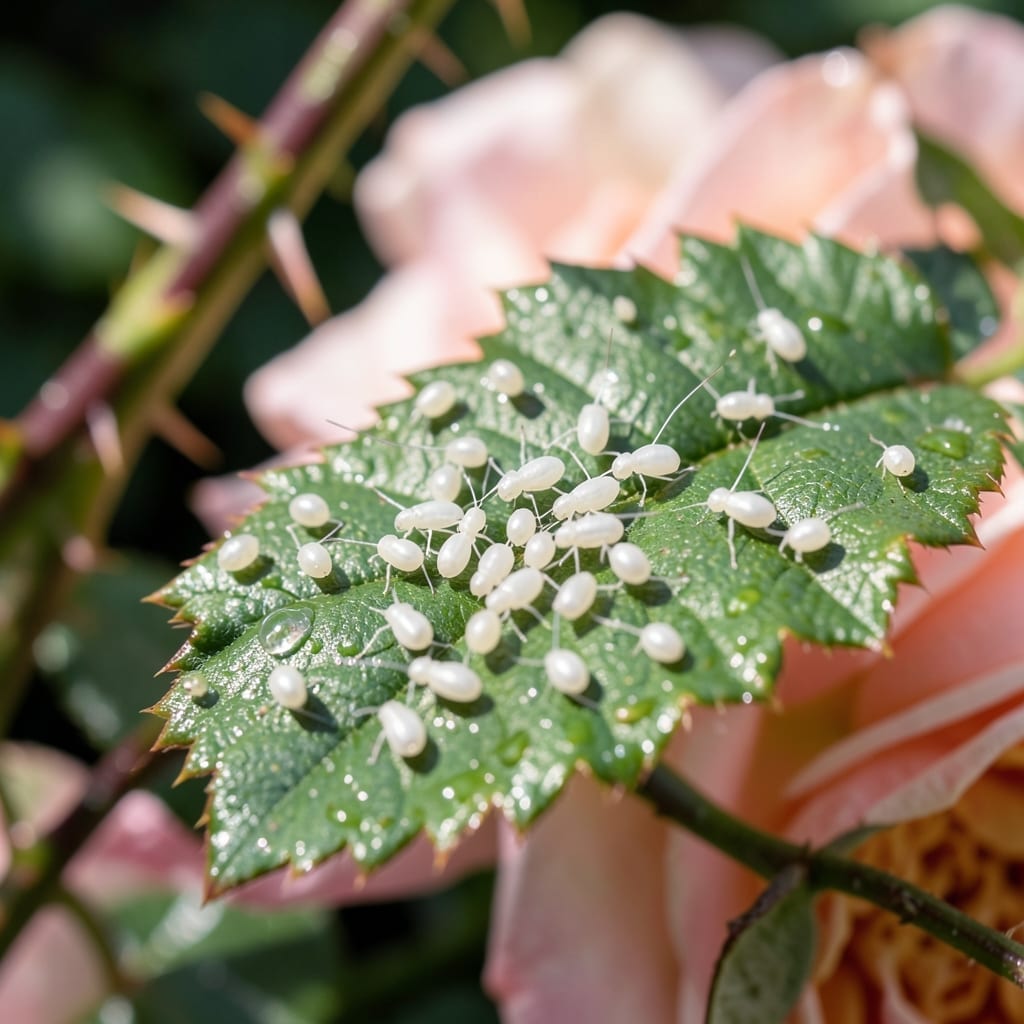
I spotted them first on my prize hybrid tea—tiny white dots clustering on new growth. These pests multiply faster than you’d believe, but I’ve tested organic fixes that work in 24-48 hours without harming beneficial insects.
The culprits are usually aphids or mealybugs, both sucking sap and stunting blooms. Left unchecked, they’ll curl leaves and spread to every rose in your garden. The key is acting at the first sign, before they establish colonies.
You’ll use simple household items and garden staples to stop the infestation. No harsh chemicals, no waiting weeks for results. Your roses will show visible improvement within days, with new growth returning to its vibrant green.
Works for all rose varieties, from climbers to miniatures. Here’s the step-by-step rescue plan.
Tiny white bugs on roses are often aphids or mealybugs, and their appearance is usually tied to specific environmental or cultural conditions. Understanding the root causes helps prevent future infestations. Below are the primary reasons these pests thrive on your roses.
Excess nitrogen in soil promotes soft, succulent growth—a favorite of aphids and mealybugs. These pests are drawn to the high sap content in new shoots and leaves, which are easier to pierce and feed on. Reduce high-nitrogen fertilizers, especially in early spring, and opt for balanced or phosphorus-rich options to strengthen plant cells.
Both overwatering and underwatering stress roses, making them more susceptible to infestations. Overwatering creates humid conditions ideal for mealybugs, while drought-stressed plants produce weaker defenses against aphids. Water deeply but infrequently at the base of the plant (not the foliage) to maintain even moisture.
Aphids reproduce rapidly in warm, dry climates (70–80°F), and their populations can explode in just a few days. Mealybugs also thrive in similar conditions, especially in greenhouse-like environments or sheltered garden spots. Monitor roses closely during heatwaves and use shade cloth or mulch to moderate soil temperature.
Ladybugs, lacewings, and parasitic wasps are natural enemies of aphids and mealybugs. If your garden lacks these beneficial insects, pests multiply unchecked. Avoid broad-spectrum pesticides that kill predator populations, and instead plant companion flowers like yarrow or dill to attract them.
Overcrowded plants have poor air circulation, creating a humid microclimate that mealybugs love. Weak or diseased roses also emit stress signals that attract aphids. Prune regularly to improve airflow, remove dead wood, and ensure each rose has enough space to thrive.
Dealing with tiny white bugs on your roses doesn’t have to be a losing battle. Here’s how to tackle the most common causes and restore your garden’s beauty.
Mix 1 tablespoon of dish soap with 1 quart of water and spray directly on the bugs to break down their protective coating. For a stronger solution, add 1 tablespoon of neem oil to the mix. Reapply every 2-3 days until the aphids are gone. Pro tip: 💡 Spray in the early morning or late evening to avoid harming beneficial insects like bees.
If your roses are over-fertilized, flush the soil with water to remove excess nutrients. Switch to a slow-release organic fertilizer and follow the recommended dosage. Over-fertilizing can stress the plant, making it more susceptible to pests. Pro tip: 🌡️ Test your soil’s pH and nutrient levels to ensure a healthy growing environment.
Trim back dense foliage to improve airflow around your roses. Space plants at least 2-3 feet apart to reduce humidity buildup, which attracts pests. Regular pruning also helps remove infested leaves and stems. Pro tip: ✨ Prune in the early spring or after blooming to encourage healthy growth.
With these steps, your roses will thrive and stay pest-free! 🌹
Aphids are tiny, pear-shaped, and often found in clusters on new growth. Mealybugs look like small cottony tufts and prefer leaf undersides. Both leave sticky residue called honeydew on leaves.
If treated quickly, your roses will recover fully. Left unchecked, they’ll weaken the plant, stunt growth, and spread to other plants. Early action is key to preventing long-term damage.
Chemical pesticides work but often kill beneficial insects too. Stick to organic options like neem oil or insecticidal soap first. If using chemicals, apply at dusk and avoid spraying open blooms.