
Beautiful Plants For Your Interior
Beautiful Plants For Your Interior
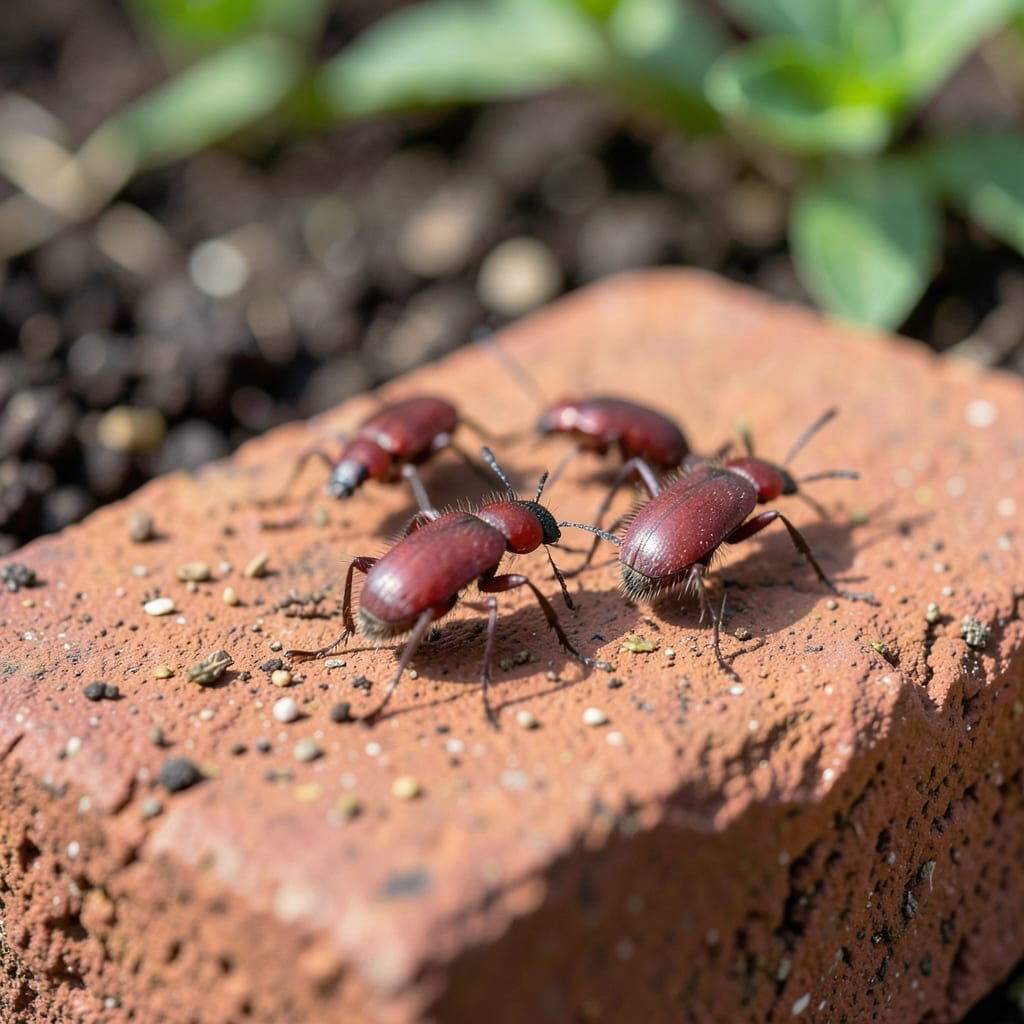
I spotted those tiny red bugs on my bricks last summer. Turns out they’re clover mites, harmless but annoying when they cluster by the thousands on walls and walkways.
They love cool, damp weather and often appear in spring and fall. The good news is they don’t bite or damage plants—they just feed on grass and clover, then wander onto your bricks.
Getting rid of them is simpler than you’d think. A strong blast from the hose or a soap spray knocks them out fast. Sealing cracks helps keep them from coming back.
The fix takes 10 minutes and costs next to nothing. Here’s exactly how to handle it.
Tiny red bugs on bricks often appear due to specific environmental and biological factors. Understanding these causes can help you prevent and address the issue effectively.
Bricks absorb and retain moisture, creating an ideal habitat for insects like clover mites or red spider mites. These tiny red bugs thrive in damp conditions, especially after rain or in poorly drained areas. High humidity levels also encourage their reproduction, leading to visible clusters on brick surfaces.
Accumulated leaves, mulch, or plant debris near brick structures provide food and shelter for tiny red bugs. Decaying organic matter attracts pests that feed on fungi, mold, or plant sap. Regularly clearing debris from around bricks reduces their food sources and discourages infestations.
Bricks with cracks or gaps offer entry points for tiny red bugs seeking shelter. These pests often migrate indoors or into wall voids during temperature extremes. Sealing cracks with caulk or mortar limits their access and prevents them from establishing colonies on or behind brick surfaces.
Overgrown plants, ivy, or grass touching brick walls create bridges for tiny red bugs to move onto the structure. Many species, such as Bryobia mites, feed on plants before transitioning to bricks. Trimming vegetation and maintaining a clear perimeter minimizes this risk.
Tackling tiny red bugs on bricks starts with identifying the root cause. Below are targeted fixes for common scenarios, followed by prevention tips to keep them from returning.
If the bugs thrive in damp areas, improve drainage around the bricks. Use a dehumidifier indoors or ensure outdoor bricks have proper slope. Seal cracks with waterproof caulk to block moisture entry. For existing infestations, a fan or heat treatment can drive them away.
Leaf litter, mulch, or algae buildup invites pests. Sweep or pressure-wash bricks to remove debris. Apply a vinegar-water mix (1:1) to deter bugs naturally. For stubborn grime, use a mild bleach solution (1 part bleach to 10 parts water) but rinse well afterward.
Inspect bricks for tiny cracks or gaps. Fill them with silicone-based sealant or fine mesh screening. Pay special attention to window sills, door frames, and foundation joints. For larger crevices, use steel wool before sealing—bugs can’t chew through it.
Consistency is key—combine fixes with prevention to keep your bricks bug-free long-term.
No, most tiny red bugs like clover mites don’t bite or spread disease. They’re just a nuisance when they cluster in large numbers. Keep pets away from chemical treatments, though.
Cool, damp weather triggers their activity. They seek shelter on bricks when temperatures drop or moisture rises. Sealing cracks helps prevent seasonal invasions.
Yes! A 1:1 vinegar-water spray kills them on contact. Reapply every few days until they’re gone. Avoid bleach—it can damage bricks.
Trim nearby plants, clear debris, and seal entry points with caulk or steel wool. Regular cleaning disrupts their habitat.