
Beautiful Plants For Your Interior
Beautiful Plants For Your Interior
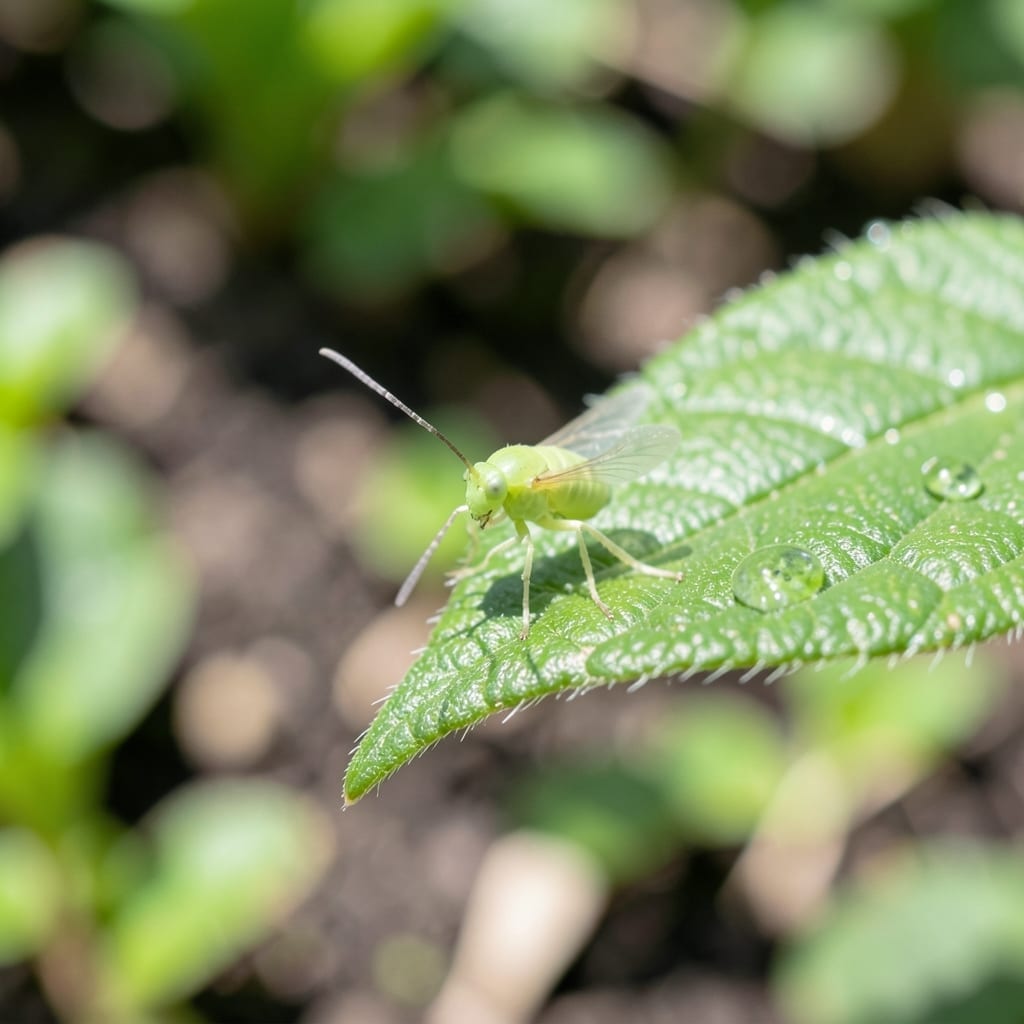
Noticed tiny lime green flies hovering around your plants? I spotted them first on my cucumber leaves last summer, and they spread faster than I expected.
These pests target new growth, leaving behind curled leaves and stunted shoots. They thrive in warm weather, often appearing when plants are most vulnerable.
Catching them early is key—once they multiply, they can overwhelm a garden in days. I learned the hard way that prevention beats treatment every time.
Here’s how to identify, control, and keep them from returning next season.
If you’ve spotted a tiny lime green flying insect in your garden or home, understanding why they appear is the first step to managing them. These pests often thrive due to specific environmental conditions or behaviors that attract them. Below are the most common causes of their presence.
Many small, lime-green flying insects, such as fungus gnats or whiteflies, are drawn to moist soil. Overwatering plants creates the perfect breeding ground for their larvae. These insects lay eggs in damp soil, where the larvae feed on organic matter and plant roots. Actionable tip: Allow the top layer of soil to dry between waterings and ensure proper drainage in pots.
These insects are often attracted to decomposing plant material, compost piles, or rotting leaves. The scent of decay signals a food source for both adults and larvae. Regularly remove fallen leaves, fruit, or vegetable scraps from your garden to discourage them. If you compost, use a sealed bin and avoid leaving organic waste exposed.
Some tiny lime green insects, like certain types of aphids or leafhoppers, are drawn to flowering plants that produce abundant nectar. While they may not directly harm the plant, their presence can lead to secondary issues like sooty mold from their honeydew secretions. Actionable tip: Monitor nectar-producing plants closely and use reflective mulches or row covers to deter them.
Indoors, poor airflow can create humid pockets where these insects thrive, especially in areas like kitchens, bathrooms, or houseplant clusters. Stagnant air traps moisture, which attracts gnats and similar pests. Improve ventilation with fans or dehumidifiers, and avoid overcrowding plants in enclosed spaces.
Dealing with these pesky tiny lime green flying insects in your garden or home? Here’s how to tackle the problem effectively, with practical fixes for each common cause—and ways to keep them from coming back.
If excess moisture is attracting them, stop watering immediately and let the top 1–2 inches of soil dry out. Use a moisture meter to monitor levels. Prevention tip: Water only when the soil feels dry to the touch, and ensure pots have drainage holes. 💡
Clear away fallen leaves, rotting fruit, or compost piles near your home. These insects thrive on decomposing material. Prevention tip: Maintain a clean garden and store compost in sealed bins far from entry points. ✨
Install fine mesh screens on windows and doors to block their access. Check for gaps around frames and seal with caulk. Prevention tip: Use door sweeps and keep outdoor lights off at night (they’re drawn to light). 🎯
Inspect plants for eggs or larvae on undersides of leaves. Prune affected areas or spray with neem oil (mix 1 tbsp per gallon of water). Prevention tip: Quarantine new plants for a week before introducing them to your garden. 🌡️
For severe infestations, consider yellow sticky traps—they’re highly effective for flying pests. Replace traps weekly to maintain control.
Yes, they can damage plants by feeding on sap and new growth. Some species also spread diseases or leave sticky residue that attracts mold. Early detection helps prevent serious harm.
Use neem oil sprays, introduce beneficial insects like ladybugs, and maintain good air circulation. Remove decaying plant matter promptly to eliminate breeding sites.
They’re often drawn by overwatered houseplants or hidden moisture. Even clean homes can have damp areas in basements or under sinks that attract them.
Yellow sticky traps work immediately for adults. For larvae, let soil dry completely between waterings and apply diatomaceous earth to affected areas.