
Beautiful Plants For Your Interior
Beautiful Plants For Your Interior
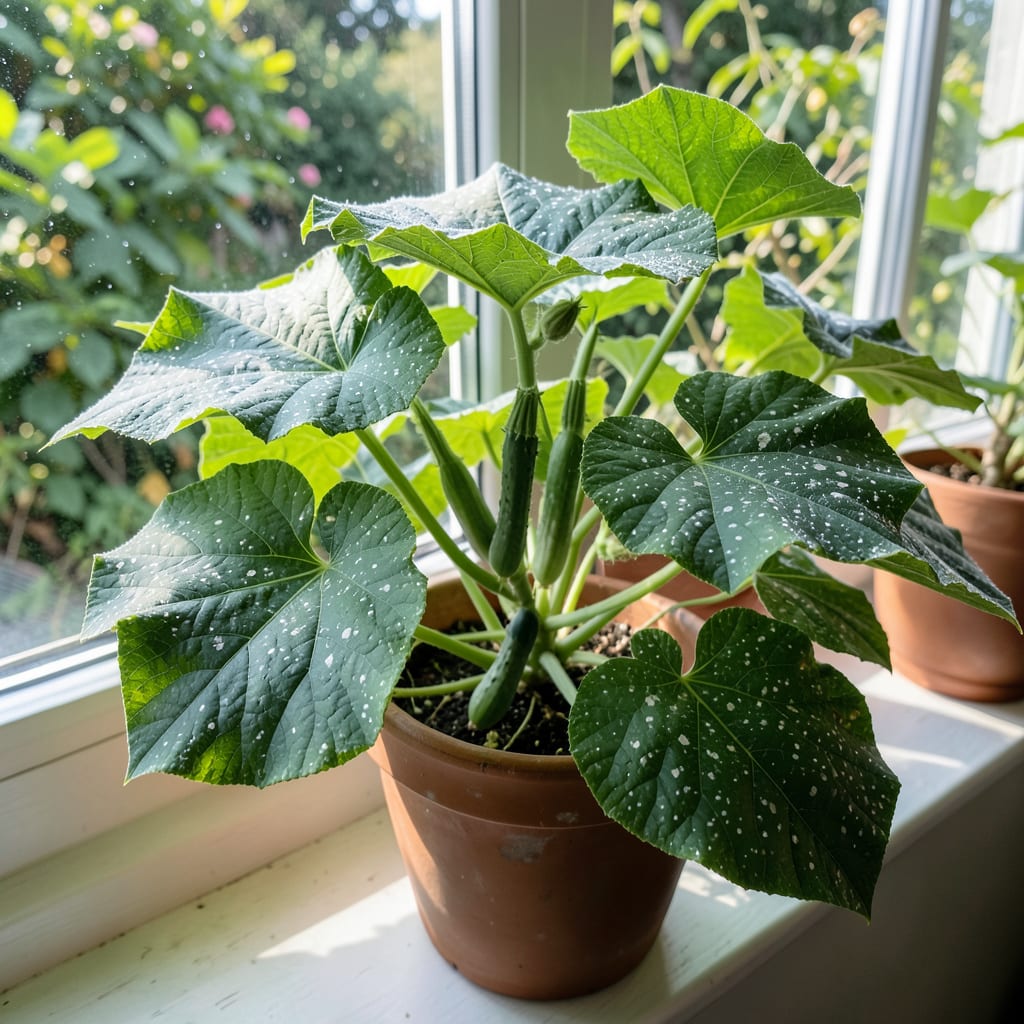
White spots on cucumber leaves always mean trouble, but the good news is most causes are fixable. I’ve seen this issue wipe out plants in 48 hours if ignored, yet simple steps can turn it around just as fast.
Often it’s powdery mildew leaving that dusty coating, or spider mites creating tiny speckles. Sometimes it’s just sunburn from sudden heat exposure. The key is catching it early before it spreads to stems and fruit.
Organic solutions like neem oil, baking soda sprays, or just improving airflow usually do the trick. Prevention is even easier—space plants properly and water at the base, not the leaves.
Your cucumbers can recover fully with quick action. The difference between a healthy harvest and a lost crop is often just a few days of attention.
White spots on cucumber leaves are a telltale sign of underlying issues, often tied to pests, diseases, or environmental stressors. Here’s a breakdown of the most common causes:
Podosphaera xanthii or Erysiphe cichoracearum, the fungi behind powdery mildew, thrive in warm, humid conditions. They form white, powdery patches on the upper leaf surface by drawing nutrients from plant cells. This weakens photosynthesis and stunts growth. Action: Improve airflow and avoid overhead watering to reduce humidity.
Sap-sucking pests like whiteflies, aphids, and spider mites leave behind white speckles or stippling as they feed. Their piercing mouthparts damage leaf tissues, and their sticky honeydew can foster sooty mold. Action: Inspect leaf undersides and use insecticidal soap or neem oil for organic control.
Calcium or magnesium deficiencies can cause chlorotic (white or yellow) spots between leaf veins. Alternatively, foliar burn from excessive fertilizer or hard water (high salts) may create white, necrotic patches. Action: Test soil pH (ideal: 6.0–6.8) and amend with compost or balanced organic fertilizer.
Intense sunlight or sudden temperature spikes can bleach leaf tissues, creating irregular white or tan spots. This is common in greenhouse cucumbers or during heatwaves. Action: Provide shade cloth (30–40%) during peak sun hours and ensure consistent moisture.
Often mistaken for powdery mildew, downy mildew (Pseudoperonospora cubensis) causes yellowish-white patches on the undersides of leaves. It thrives in cool, wet conditions. Action: Remove infected leaves and apply copper-based fungicides preventatively.
White spots on cucumber leaves are usually manageable with the right approach. Below are targeted solutions for each common cause, along with prevention tips to keep your plants healthy.
Mix 1 tablespoon baking soda + 1 teaspoon dish soap + 1 gallon water and spray affected leaves weekly. Remove heavily infected leaves and space plants 18–24 inches apart for better airflow. Water at the base to keep leaves dry.
Prevention tip: 💡 Plant resistant varieties like ‘Diva’ or ‘Straight Eight’ and avoid overhead watering.
Blast mites off with a strong water spray early in the day. Introduce ladybugs or predatory mites for organic control. For severe cases, use neem oil (1 tbsp per gallon of water) every 5–7 days until gone.
Prevention tip: 🌡️ Keep humidity up (mites thrive in dry conditions) and inspect leaves regularly.
Apply copper-based fungicide at the first sign of yellowing or white patches. Prune infected leaves immediately and dispose of them in the trash (not compost). Avoid working with plants when they’re wet.
Prevention tip: ✨ Rotate crops yearly and choose well-draining soil to reduce fungal spores.
Let the soil dry slightly between waterings. Ensure pots have drainage holes and use a moisture meter to avoid overwatering. If growing in containers, move them to a spot with better air circulation.
Prevention tip: 🎯 Water deeply but less frequently—early morning is ideal.
Dab bugs with a cotton swab dipped in rubbing alcohol for small infestations. For larger outbreaks, spray with insecticidal soap (1 tbsp per quart of water) every 3 days until resolved.
Prevention tip: 🔥 Encourage beneficial insects like lacewings and avoid over-fertilizing (mealybugs love soft new growth).
Very likely if the spots look powdery and appear on top of leaves. This fungus thrives in humidity above 60% and spreads quickly. Improve airflow and use a baking soda spray to treat it.
Look for tiny white or yellow speckles and fine webbing on leaf undersides. Shake a leaf over white paper to spot these microscopic pests. Treat with neem oil if found.
If left untreated, severe infections like downy mildew can reduce yield. However, cucumbers themselves typically remain safe to eat if the plant survives. Act fast to prevent further damage.
Space plants 18-24 inches apart, water at the base, and remove affected leaves immediately. Companion planting with marigolds can also deter pests.
