
Beautiful Plants For Your Interior
Beautiful Plants For Your Interior
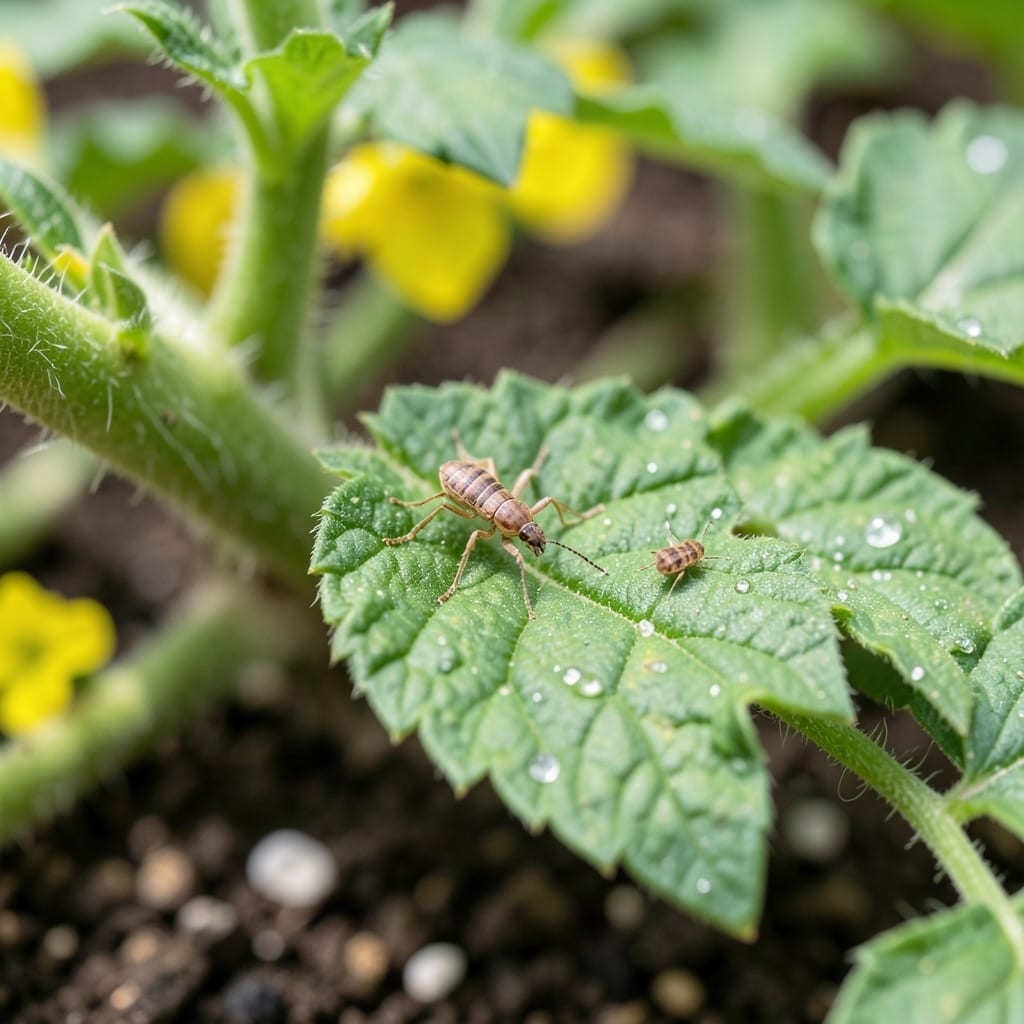
Spotted tiny brown invaders on your tomatoes yet? I nearly lost my entire crop to these last summer before figuring out their weakness.
They’re sneaky—hiding under leaves, sucking sap, and multiplying fast. But here’s the thing—you can stop them without harsh chemicals. A sharp eye and a spray bottle are your first line of defense.
Within 48 hours of treatment, you’ll see fewer bugs and healthier plants. The key is catching them early before they spread to every leaf and stem.
Works for greenhouse tomatoes, patio containers, or in-ground plants. Here’s how to take back control.
Tiny brown bugs on your tomato plants don’t appear by accident—they’re drawn by specific conditions or weaknesses in your garden. Understanding the why is the first step to stopping them.
Tomato plants under heat stress or prolonged drought release chemical signals that attract pests like spider mites and aphids. These bugs thrive in dry, hot environments, and weakened plants can’t defend themselves as effectively. Actionable fix: Maintain consistent soil moisture with deep watering and mulch to retain humidity.
Dense foliage traps moisture and limits airflow, creating a humid microclimate that brown bugs (e.g., thrips or whiteflies) love. Prune suckers and lower leaves to improve ventilation and reduce hiding spots for pests.
Plants lacking nitrogen, potassium, or micronutrients grow slowly and produce thin leaves—ideal for sap-sucking insects. Test your soil and amend it with compost or a balanced fertilizer to boost plant resilience.
If beneficial insects like ladybugs, lacewings, or parasitic wasps are absent, pest populations explode. Avoid broad-spectrum pesticides, which kill helpful bugs too. Instead, plant companion flowers (e.g., marigolds, alyssum) to invite predators.
Dealing with tiny brown bugs on your tomato plants? Here’s how to tackle the most common culprits and keep your garden thriving.
Use a strong stream of water to knock aphids off the plants. Repeat every few days to break their life cycle. For stubborn infestations, apply insecticidal soap or neem oil, following the label instructions. Prevention tip: 💡 Encourage ladybugs and lacewings—they love eating aphids!
Spider mites thrive in dry conditions. Spray plants with water to dislodge them, and consider using horticultural oil. To prevent their return, mist your plants regularly or place a tray of water nearby to boost humidity. Pro tip: ✨ Keep your garden weed-free, as mites often hide in overgrowth.
Protect young plants with floating row covers to block flea beetles. For existing infestations, apply diatomaceous earth around the base of plants. Prevention tip: 🌱 Rotate crops yearly to disrupt the beetles’ lifecycle.
Hang yellow sticky traps near plants to catch adult whiteflies. For larvae, spray with insecticidal soap or introduce parasitic wasps. Prevention tip: 🎯 Avoid over-fertilizing with nitrogen, which attracts whiteflies.
Regularly inspect your plants, and act fast at the first sign of trouble. Healthy, well-maintained gardens are your best defense!
Yes, they often damage plants by sucking sap, which weakens growth and can spread diseases. Left untreated, they may cause yellowing leaves or stunted fruit production.
Use a magnifying glass to check size, shape, and movement. Aphids are tiny and pear-shaped, while spider mites leave fine webbing. Compare photos online for confirmation.
A 1 tsp mild soap per 1 liter water spray can kill soft-bodied pests on contact. Reapply every 3-4 days until they’re gone.
Early morning or late evening is ideal to avoid harming beneficial insects and prevent rapid evaporation. Treat at first signs for best results.