
Beautiful Plants For Your Interior
Beautiful Plants For Your Interior
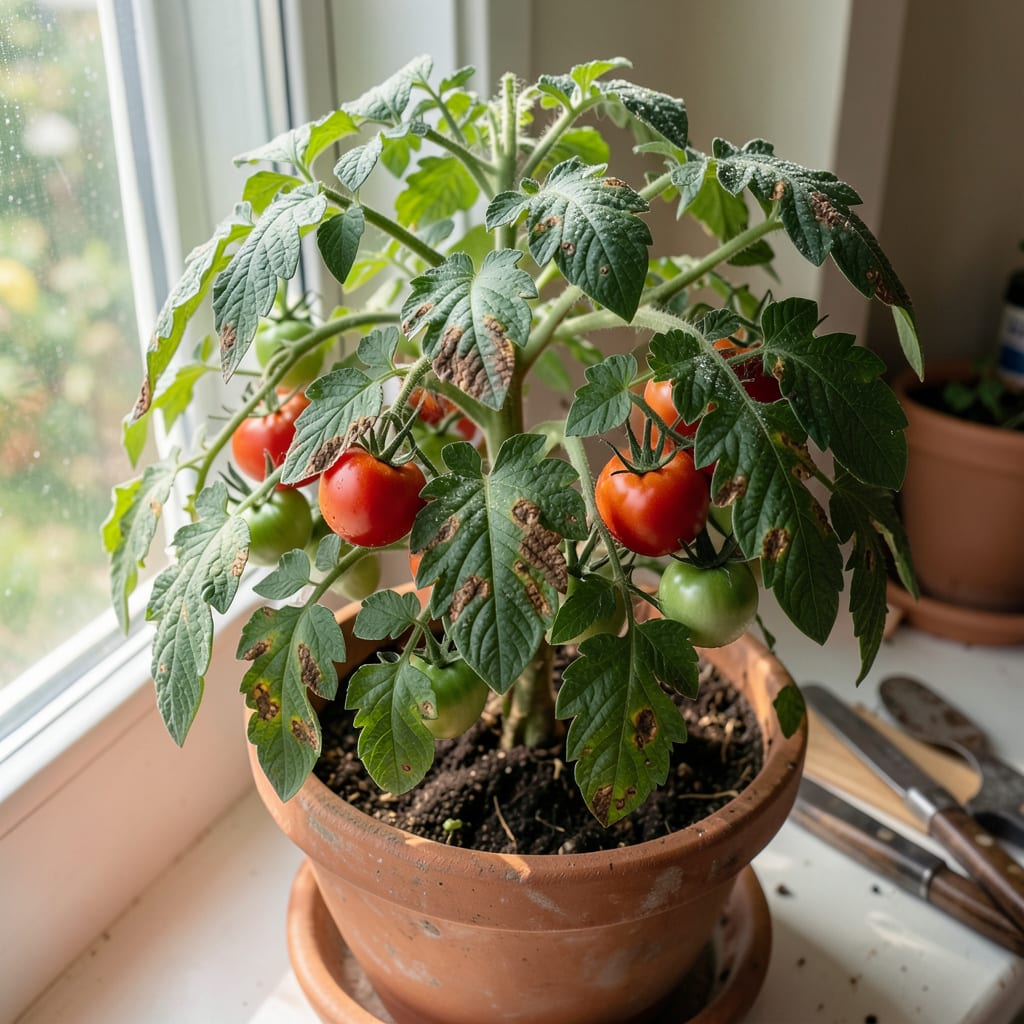
Brown spots on tomato plants always feel like a gut punch after weeks of care. I’ve lost entire crops to this before learning the patterns—some spread overnight, others creep in slowly, but all demand quick action.
The culprit usually hides in plain sight: watering habits, soil conditions, or invisible pests. Each cause leaves a distinct fingerprint on leaves, stems, or fruit. The good news? Most are fixable with same-day adjustments.
You’ll spot the difference between fungal speckles, nutrient burns, and pest damage by morning. With the right approach, new growth emerges clean within 7-10 days.
Works for greenhouse plants, backyard vines, or container tomatoes. Let’s diagnose and treat.
Brown spots on tomato plants often signal underlying issues that disrupt their health. Understanding the root causes helps you diagnose and treat the problem effectively. Below are the most common culprits, explained with scientific clarity and actionable insights.
Fungi like Alternaria solani (early blight) and Phytophthora infestans (late blight) thrive in warm, humid conditions. These pathogens produce spores that land on leaves, germinate, and penetrate plant tissues, causing necrotic (dead) brown spots. Fungal spores spread via wind, water, or contaminated tools, so improving airflow and avoiding overhead watering can reduce risk.
Bacteria such as Pseudomonas syringae (bacterial speck) and Xanthomonas vesicatoria (bacterial spot) enter through wounds or stomata (leaf pores). They multiply rapidly in wet conditions, leading to water-soaked lesions that turn brown and crisp. Copper-based sprays and removing infected plants help control outbreaks.
Insects like aphids, whiteflies, and spider mites pierce plant cells to feed, creating entry points for pathogens. Their saliva can also trigger cell death, resulting in brown spots. Neem oil or insecticidal soap can deter pests, while beneficial insects (e.g., ladybugs) offer natural control.
Extreme heat, drought, or nutrient deficiencies (e.g., calcium or magnesium) can cause physiological disorders like blossom end rot or leaf scorch. These appear as dry, brown patches due to cell collapse. Consistent watering and soil testing help prevent stress-related spots.
Tackling brown spots on tomato plants starts with identifying the root cause. Below are targeted solutions for the most common culprits, paired with prevention tips to keep your plants thriving.
Fix: Remove infected leaves immediately and discard them (do not compost). Apply a copper-based fungicide or a homemade mix of 1 tsp baking soda + 1 quart water + a drop of dish soap. Spray every 7–10 days or after rain.
Prevent: 💡 Space plants 2–3 feet apart for airflow. Water at the base (never overhead) and use mulch to reduce soil splash. Rotate crops yearly.
Fix: Blast pests off with water or apply insecticidal soap or neem oil (follow label instructions). For severe infestations, introduce beneficial insects like ladybugs.
Prevent: ✨ Inspect leaves weekly. Use row covers early in the season and avoid over-fertilizing (pests love lush, soft growth).
Fix: For blossom end rot (calcium deficiency), add crushed eggshells to soil or use a calcium supplement. For magnesium, apply Epsom salt (1 tbsp/gallon of water) as a foliar spray.
Prevent: 🎯 Test soil before planting. Amend with compost and use balanced fertilizer. Keep soil consistently moist (fluctuations hinder nutrient uptake).
Fix: Shield plants with shade cloth during peak heat. Adjust watering—let topsoil dry slightly between sessions. Prune excess foliage to improve airflow.
Prevent: 🌡️ Plant in well-draining soil and use drip irrigation. Acclimate seedlings gradually to outdoor conditions.
Fix: Remove infected plants entirely to prevent spread. Apply copper-based bactericide and sanitize tools with rubbing alcohol between uses.
Prevent: Start with disease-resistant seeds (look for labels like “VFN”). Avoid working with wet plants, as bacteria spread easily in moisture.
Yes, fungal and bacterial spots can spread via wind, water, or contaminated tools. Isolate affected plants and sanitize tools between uses to prevent contamination.
With proper care, new growth should appear healthy within 7-10 days. Remove infected leaves immediately to speed up recovery.
Space plants 2-3 feet apart, water at the base, and use mulch. These steps improve airflow and reduce moisture buildup.
Yes! Look for disease-resistant seeds labeled VFN (resistant to Verticillium, Fusarium, and nematodes). These handle stress better.
