
Beautiful Plants For Your Interior
Beautiful Plants For Your Interior
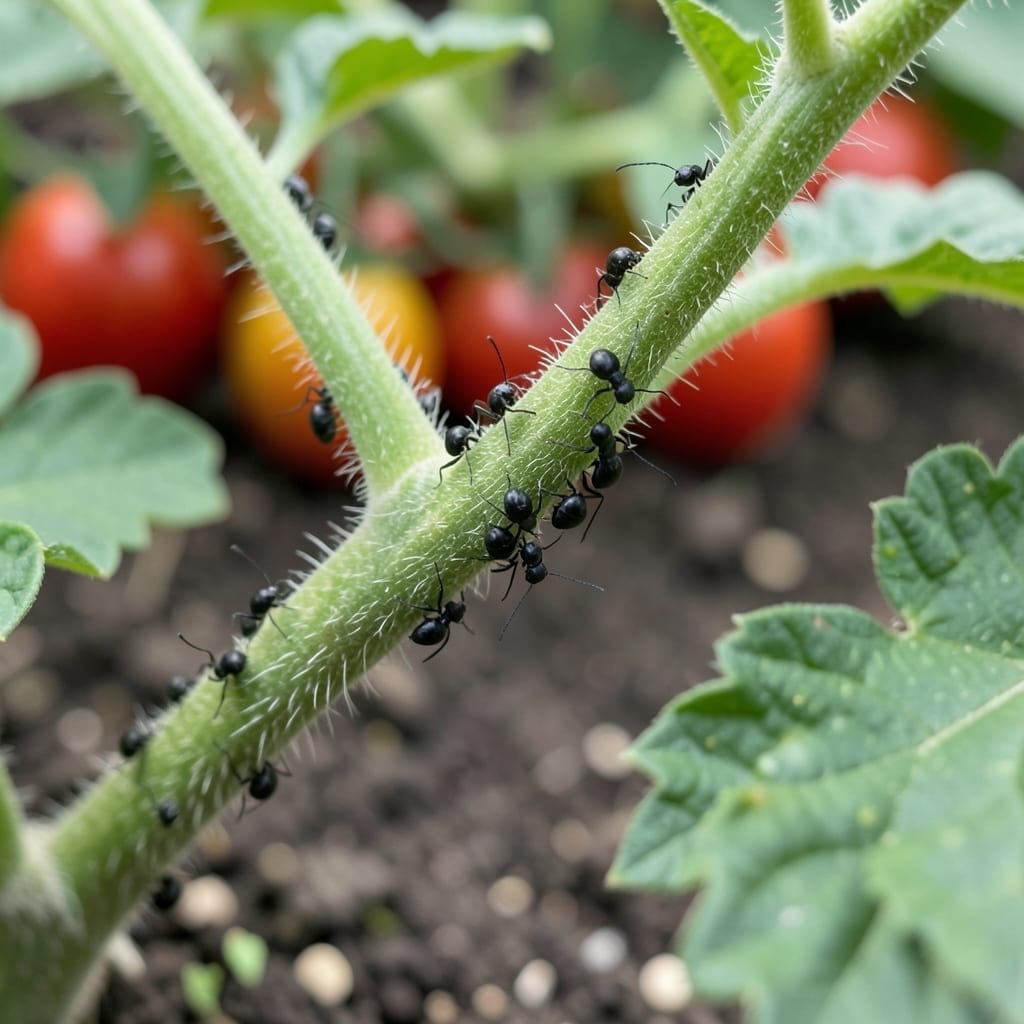
Tiny black bugs clustered on new tomato growth are likely aphids. I first noticed them on my cherry tomatoes last summer—sticky leaves and curled tips were the giveaway.
These pests multiply fast, sucking plant juices and spreading disease. Left unchecked, they’ll weaken plants and reduce yields. The good news? They’re easy to spot and even easier to control.
You’ll see them on undersides of leaves and stem joints. Early action prevents serious damage. Organic sprays work, but a strong water blast often does the trick.
Regular checks keep them from coming back. Your tomatoes will thank you with healthier growth and better harvests.
Tiny black insects on tomato plants are often aphids, and their presence is usually tied to specific environmental or cultural conditions. Below are the most common causes, explained with actionable insights.
Aphids thrive on plants with excess nitrogen, which promotes lush, soft foliage—their favorite food. Over-fertilizing, especially with high-nitrogen formulas, creates an ideal breeding ground. Solution: Balance fertilization with phosphorus and potassium, and avoid overfeeding.
Stressed plants due to inconsistent watering (drought or overwatering) weaken their natural defenses, making them more susceptible to aphid attacks. Solution: Maintain consistent soil moisture with deep, infrequent watering to encourage strong root systems.
Monoculture gardens (growing only tomatoes) lack natural predators like ladybugs or lacewings that keep aphid populations in check. Solution: Plant companion flowers (e.g., marigolds, alyssum) to attract beneficial insects.
Aphids reproduce rapidly in warm, humid conditions (70–80°F). Stagnant air and high humidity in greenhouses or dense plantings accelerate infestations. Solution: Improve airflow with spacing or fans, and use shade cloth to moderate temperature spikes.
Tomatoes already stressed by disease, poor soil, or root damage emit chemical signals that attract aphids. Solution: Prioritize plant health with proper pruning, disease-resistant varieties, and organic soil amendments.
Addressing these root causes can prevent aphids from gaining a foothold in the first place.
Dealing with tiny black insects on your tomato plants? Here’s how to tackle each common cause with simple, effective fixes.
Blast aphids off with a strong stream of water early in the day. For stubborn clusters, spray with a soapy water solution (1 tsp mild dish soap + 1 quart water) or neem oil (follow label instructions). Reapply every 5–7 days until gone.
Prevention tip: 💡 Encourage ladybugs (natural predators) by planting pollen-rich flowers like marigolds nearby.
Flush the soil with water to remove excess nitrogen, which attracts sap-sucking pests. Switch to a balanced, slow-release fertilizer and avoid overfeeding. Yellowing leaves? Ease up—healthy plants resist pests better.
Prevention tip: ✨ Test soil before fertilizing to avoid overloading nutrients.
Let the top inch of soil dry between waterings. Ensure pots have drainage holes, and use well-draining soil. For garden beds, amend with compost to prevent soggy roots, which stress plants and invite pests.
Prevention tip: 🌡️ Water early in the day so foliage dries quickly, reducing pest appeal.
Strengthen tomatoes with companion planting—basil, garlic, or chives repel pests. Remove heavily infested leaves or plants to protect the rest. Keep the garden weed-free, as weeds harbor insects.
Prevention tip: 🎯 Rotate crops yearly to disrupt pest life cycles.
Consistency is key—monitor plants weekly and act at the first sign of trouble!
Yes, they can weaken plants by sucking sap and spreading diseases. Left untreated, they may stunt growth and reduce fruit yield.
Use a strong water spray to dislodge them or apply neem oil. A soapy water mix (1 tsp soap + 1 quart water) also works well.
They thrive on stressed plants. Improve conditions by balancing fertilizer, ensuring drainage, and introducing predator insects like ladybugs.