
Beautiful Plants For Your Interior
Beautiful Plants For Your Interior
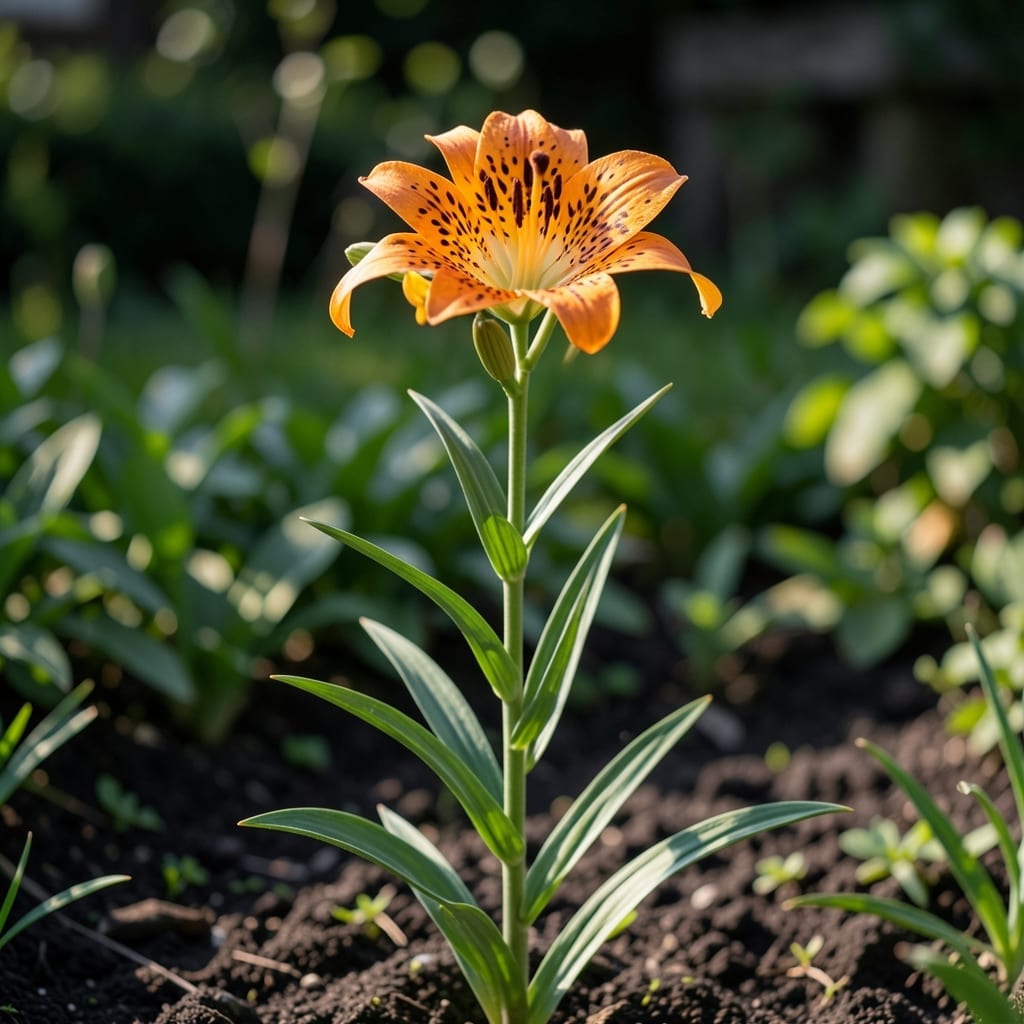
Black tiger lilies add dramatic flair to any garden. I planted my first batch last spring, and their deep maroon blooms became the talk of the neighborhood.
These plants thrive in full sun with well-draining soil. They’re surprisingly low-maintenance once established, and their unique color stands out against greenery. You’ll get bold, striking flowers year after year.
📚 In This Guide
This elegant process rewards patience with stunning, near-black blooms that stop visitors in their tracks.
Choose a location with full sun to partial shade, though these lilies thrive best with at least 6 hours of direct sunlight daily. The soil should be well-draining and rich in organic matter. I always amend heavy clay or sandy soil with compost to improve texture and fertility.
Test drainage by digging a 12-inch deep hole and filling it with water. If it drains within 1 hour, you’re good to go. If not, consider raised beds or mounding the soil to prevent bulb rot. Tiger Lily Black prefers slightly acidic to neutral soil with a pH of 6.0-7.0.
Plant bulbs in early spring or fall, spacing them 12-18 inches apart to allow for mature growth. Dig holes 4-6 inches deep—about three times the height of the bulb. Deeper planting protects against late frosts, which can damage emerging shoots.
Place the bulb in the hole with the pointed end facing upward. Backfill with soil and press lightly to remove air pockets. Water thoroughly to settle the soil around the bulb. I mark the spots with small stakes so I don’t accidentally disturb them while waiting for sprouts.
Keep the soil consistently moist but not waterlogged during the growing season, especially in the first year as the plant establishes. Water deeply once a week, or more often in extreme heat. A 2-3 inch layer of organic mulch helps retain moisture and suppress weeds.
Mulch also insulates the soil, keeping roots cool in summer and protected in winter. Avoid piling mulch directly against the stems, as this can encourage rot. You’ll see the first signs of growth in 2-3 weeks after planting, with flower stalks appearing in the second year.
Apply a balanced, slow-release fertilizer in early spring as new growth emerges. I use a 10-10-10 formula and work it lightly into the soil around the plants, taking care not to disturb the bulbs. Avoid high-nitrogen fertilizers, which promote leafy growth at the expense of blooms.
Tiger Lily Black can grow 3-4 feet tall, so staking may be necessary in windy areas. Install stakes early, before the stems need support, to avoid damaging the bulbs. Tie stems loosely with soft twine to allow for natural movement and growth.
Deadhead spent blooms to encourage more flowers, but leave the foliage intact until it yellows in fall. This allows the plant to store energy for next year’s growth.
These insights will help you avoid pitfalls and grow stunning dark blooms.
Site Selection Secret: The 6 hours of direct sunlight mentioned in Step 1 is non-negotiable for those deep, near-black blooms. While they tolerate partial shade, the color intensity suffers. I learned this the hard way after planting some in a too-shady spot—they bloomed, but the color was disappointing.
Drainage Test Clarification: That 1-hour drainage test in Step 1 is your best insurance against bulb rot. If water lingers longer, raised beds are your friend. I’ve seen too many gardeners skip this test, only to lose bulbs to waterlogged soil.
Depth Matters: Planting at 4-6 inches deep in Step 2 isn’t arbitrary—it protects against late frosts that can damage emerging shoots. In colder climates, err toward the deeper end of that range for extra protection.
Mulching Technique: The 2-3 inch mulch layer in Step 3 should be organic (straw or shredded bark work well) and kept an inch away from stems. This prevents rot while still providing insulation. I use aged compost as mulch—it feeds the soil as it breaks down.
Black spots often result from fungal diseases like leaf blight or anthracnose, typically caused by excess moisture or poor air circulation. Remove affected leaves and improve drainage to prevent spread.
If the stems are black and mushy, the plant may have root rot. Trim affected areas, repot in fresh, well-draining soil, and reduce watering to give it a fighting chance.
Treat at the first sign of blackening—early morning is ideal for applying fungicides or organic remedies like neem oil, as it allows foliage to dry before evening moisture sets in.
While no variety is entirely immune, some hybrids like ‘Stargazer’ or ‘Black Beauty‘ show better resistance to fungal issues. Opt for these if blackening is a recurring problem in your garden.