
Beautiful Plants For Your Interior
Beautiful Plants For Your Interior
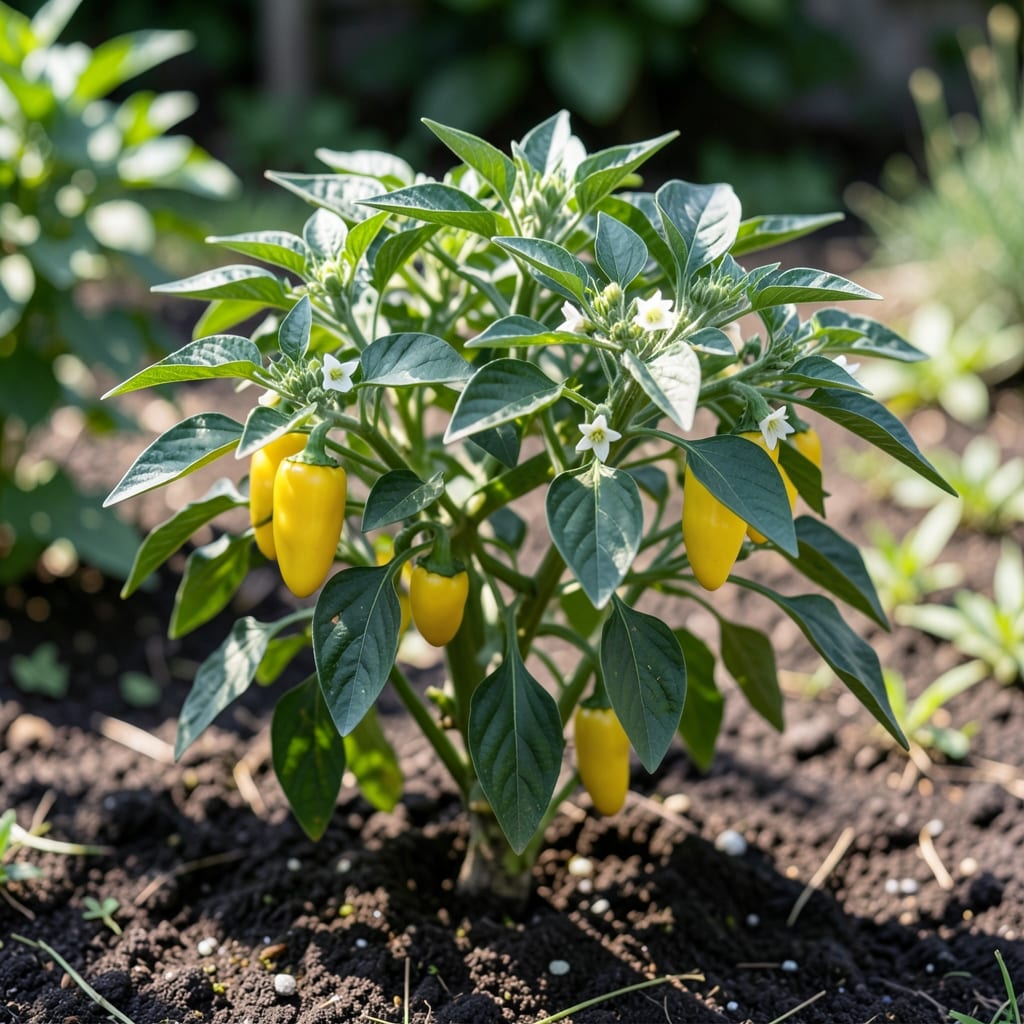
These little powerhouses changed my garden game forever. Small yellow peppers pack serious flavor and color without demanding much space or effort.
With the right soil mix, consistent watering, and a sunny spot, you’ll harvest vibrant, productive plants all season. They thrive in containers or garden beds and resist many common pepper issues.
📚 In This Guide
Here’s the method I use to cultivate vibrant, productive plants every season.
Choose a location with full sun exposure—peppers require at least 6-8 hours of direct sunlight daily for optimal growth and fruit production. Test your soil pH; peppers thrive in slightly acidic conditions between 6.0 and 6.8. Amend the soil with well-rotted compost to improve drainage and fertility.
Space plants 18-24 inches apart in rows 24-36 inches apart. This ensures good air circulation, which reduces the risk of fungal diseases. I always add a 2-3 inch layer of mulch around each plant to retain moisture and suppress weeds.
Dig holes slightly deeper than the root ball of your seedlings. Place each plant in the hole so that the soil level matches the container’s soil line. Peppers dislike being planted too deep, which can lead to stem rot or stunted growth.
Gently firm the soil around the base and water thoroughly with 1-2 gallons per plant. I’ve found that using a starter fertilizer high in phosphorus at this stage promotes strong root development. Avoid fertilizers high in nitrogen early on, as they encourage leafy growth over fruit production.
Peppers need consistent moisture, so water deeply 1-2 times per week, depending on rainfall and soil type. Always water at the base to keep foliage dry, which prevents disease. The goal is to keep the soil evenly moist but not waterlogged.
Once flowers appear, switch to a balanced fertilizer to support fruit development. I apply a 10-10-10 or 5-10-10 formula every 3-4 weeks throughout the growing season. Yellowing leaves often signal a nutrient deficiency—usually nitrogen or magnesium.
Small yellow pepper varieties can become top-heavy as they fruit. Install cages or stakes early to support the plants and prevent branches from breaking under the weight. Tie stems loosely with soft twine or cloth strips to avoid girdling.
Prune suckers—the small shoots that grow in the crotch between the main stem and branches—to direct energy toward fruit production. I remove these when they’re 2-3 inches long. Regularly inspect plants for pests like aphids or pepper maggots, which can quickly damage crops.
Small yellow peppers typically mature in 60-90 days from transplanting. Harvest when they reach the desired size and have a glossy, vibrant yellow color. Use a sharp knife or scissors to cut the fruit from the plant to avoid damaging the stems.
I harvest peppers every 3-5 days during peak production to encourage continued fruiting. If left on the plant too long, peppers may turn red or orange, which changes their flavor profile. Store freshly picked peppers in the refrigerator for up to 1 week for best quality.
These insights will help you avoid pitfalls and maximize your harvest every season.
Sunlight Essentials: The 6-8 hours of direct sunlight mentioned in Step 1 isn’t just a suggestion—it’s critical. I learned the hard way that even slight shade can delay fruiting. Position plants where they’ll get that full sun exposure without obstruction from buildings or trees.
Soil pH Precision: Don’t guess about your soil’s acidity. A simple pH test kit costs pennies and can save your entire crop. Peppers in the 6.0-6.8 range will outperform those in neutral or alkaline soil by a dramatic margin in both yield and flavor.
Watering Wisdom: The 1-2 times per week guideline in Step 3 assumes average conditions. In extreme heat, you might need to water daily, while cooler periods may require less. Always check soil moisture 2 inches down—if it’s dry there, it’s time to water.
Support System: Install those cages or stakes mentioned in Step 4 before the plants need them. I’ve had branches snap under the weight of maturing peppers when I waited too long. Early support also makes pruning and harvesting much easier.
Yes! Small yellow peppers are often banana peppers, a mild, tangy variety. However, not all small yellow peppers are banana peppers—some may be mini sweet peppers or other heirloom types. Always check the seed label or plant characteristics for confirmation.
Harvest them when they’re fully yellow and firm, usually 60-70 days after planting. If left longer, some may turn red or orange, but flavor sweetens as they mature. Pick regularly to encourage more production!
Store unwashed peppers in a paper bag in the fridge for up to 10 days. For longer storage, freeze them whole or sliced after blanching. Avoid moisture, as it can cause spoilage.
Black spots or rot often signal blossom-end rot (calcium deficiency) or fungal diseases like anthracnose. Ensure consistent watering, add calcium-rich fertilizer, and remove affected peppers to prevent spread.