
Beautiful Plants For Your Interior
Beautiful Plants For Your Interior
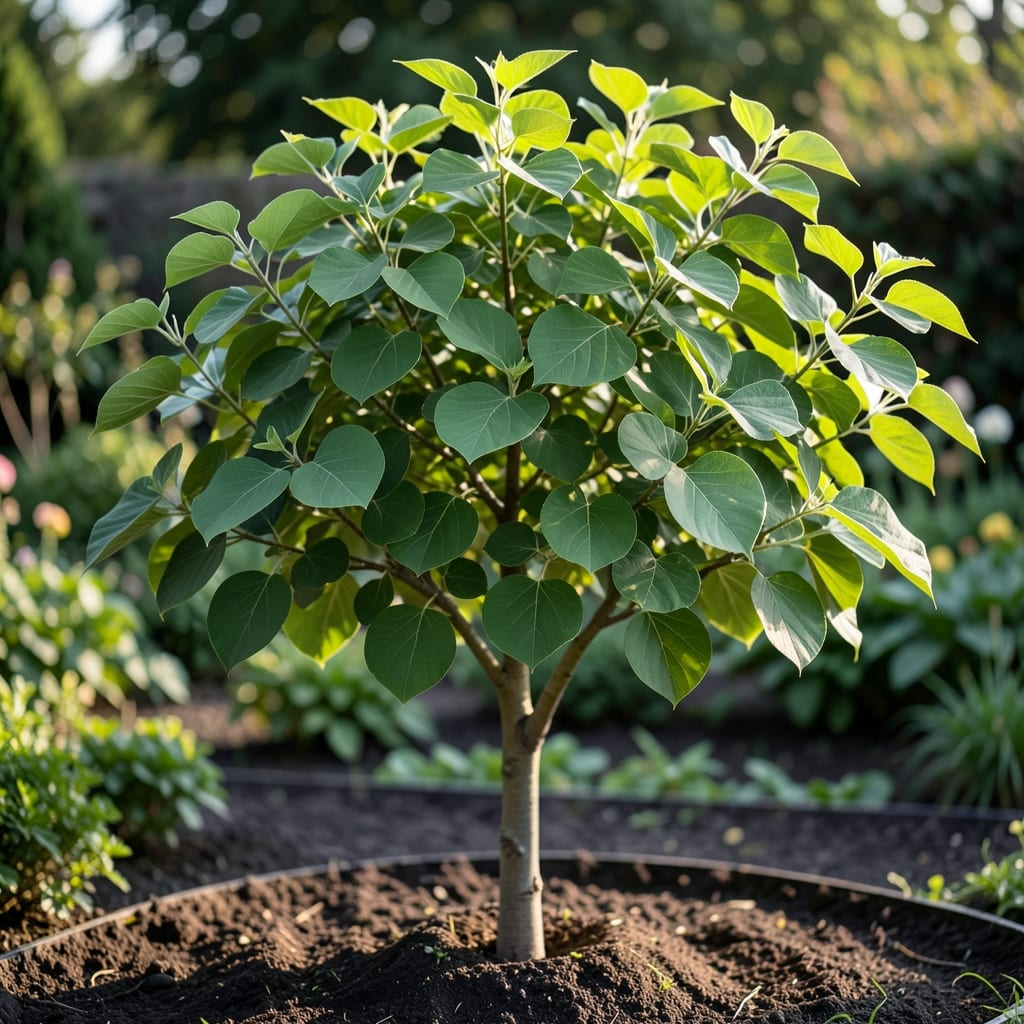
Royal paulownia leaves steal the show in any garden. I’ve watched these velvety, heart-shaped giants transform a plain corner into a tropical-looking retreat in just one season.
They thrive with minimal fuss—just well-draining soil, consistent moisture, and a sunny spot. The payoff is lush foliage so bold it becomes the centerpiece of your yard. Here’s how to keep them thriving.
📚 In This Guide
Here’s the method I rely on for maintaining vibrant, healthy foliage throughout the growing season.
Choose a location with full sun to partial shade—royal paulownia thrives in 6+ hours of direct sunlight but tolerates light afternoon shade in hotter climates. The soil should be well-draining with a slightly acidic to neutral pH (6.0-7.0).
Amend heavy clay or compacted soil with organic matter like compost to improve drainage. I always perform a soil test before planting to confirm the pH is within range. A loose, loamy texture ensures roots can expand freely while preventing waterlogging.
Dig a hole twice as wide and just as deep as the root ball. Place the plant in the hole, ensuring the top of the root ball sits slightly above ground level to prevent settling. Backfill with native soil, gently tamping to remove air pockets.
Water deeply immediately after planting, saturating the root zone to a depth of 12-18 inches. This encourages deep root establishment. I’ve found that a 2-3 inch layer of mulch around the base (keeping it 3 inches away from the trunk) helps retain moisture and regulate soil temperature.
Royal paulownia has moderate water needs. During the first growing season, water 2-3 times per week, allowing the top 1-2 inches of soil to dry between waterings. Once established, reduce frequency to 1-2 times weekly, depending on rainfall and heat.
Overwatering leads to yellowing leaves and root rot, while underwatering causes leaf curl and premature drop. I check soil moisture by inserting my finger into the soil—if it feels dry at 2 inches deep, it’s time to water. Morning watering is ideal to minimize evaporation and fungal risks.
Apply a balanced, slow-release fertilizer (10-10-10 or 12-6-6) in early spring as new growth emerges. Follow package instructions for dosage, typically 1-2 pounds per 100 square feet of planting area. This provides essential nitrogen for leaf development.
Avoid high-nitrogen fertilizers late in the season, as they promote tender growth susceptible to frost damage. I supplement with a 2-inch layer of compost around the base in late winter to boost organic matter and micronutrients.
Monitor leaf color—deep green indicates healthy nitrogen levels, while pale or yellowing leaves suggest a deficiency.
Prune in late winter or early spring before new growth starts. Remove dead, damaged, or crossing branches to improve air circulation and light penetration. Focus on shaping the canopy while maintaining a natural form.
Royal paulownia responds well to hard pruning if needed, but I prefer light, annual pruning to maintain size and vigor. Always use clean, sharp tools to make cuts at a 45-degree angle just above a bud or branch junction. This prevents tearing and reduces disease entry points.
After pruning, inspect the tree for signs of pests like aphids or scale, which often target new growth. Treat infestations promptly with horticultural oil or insecticidal soap to protect the emerging foliage.
These little details make the difference between surviving foliage and truly thriving royal paulownia.
Sunlight Strategy: The 6+ hours of direct sunlight mentioned in Step 1 is non-negotiable for optimal growth. I’ve found that morning sun with afternoon shade works best in hotter climates, while full sun produces the most vibrant leaves in temperate zones. Position your plant where it can capture that eastern exposure if possible.
Soil pH Precision: That 6.0-7.0 pH range in Step 1 isn’t arbitrary—royal paulownia’s nutrient uptake is most efficient in this window. If your soil test shows numbers outside this range, amend with lime to raise pH or sulfur to lower it before planting. I learned this the hard way after losing two plants to acidic soil.
Watering Wisdom: The 2-3 inches deep soil check in Step 3 is your best guide. I use a simple wooden dowel pushed into the soil—if it comes out dry at the 2-inch mark, it’s time to water. And always water in the morning as mentioned; evening watering invites fungal problems I’ve struggled with in humid summers.
Pruning Perfection: That 45-degree angle cut in Step 5 isn’t just for looks—it prevents water from pooling on the cut surface, which can lead to rot or disease. I keep a small bottle of rubbing alcohol near my pruning tools to clean between cuts, especially when working with multiple plants.
Yellowing leaves often signal overwatering or nutrient deficiencies. Check soil drainage and ensure balanced fertilization. If the issue persists, test soil pH—royal paulownia thrives in slightly acidic to neutral conditions (6.0–7.5).
Prune in late winter or early spring before new growth starts. This removes dead or damaged branches, improves airflow, and encourages healthy foliage. Avoid heavy pruning in fall, as it can stimulate tender growth vulnerable to frost.
Neem oil or copper-based fungicides are effective, natural options for common issues like powdery mildew. Remove infected leaves promptly and space plants properly to reduce humidity and disease spread.
Water deeply once a week during dry spells, allowing the top 1–2 inches of soil to dry between waterings. Young trees need consistent moisture, while established ones are drought-tolerant but benefit from occasional deep watering.