
Beautiful Plants For Your Interior
Beautiful Plants For Your Interior
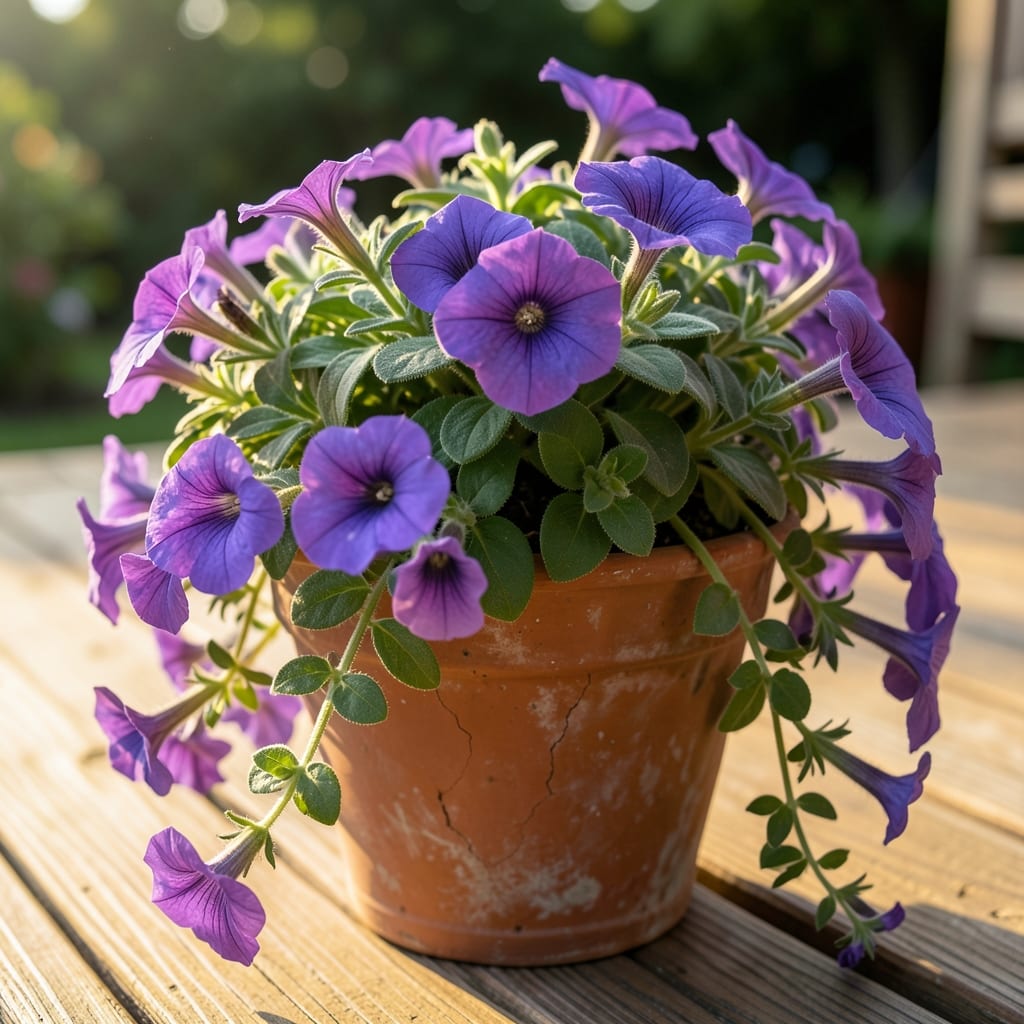
These petunias transformed my patio into a waterfall of color. 🌿 Their trailing habit spills over containers with waves of blooms from early summer to first frost, no deadheading required.
I’ve grown them in hanging baskets and window boxes—just give them 6+ hours of sun, consistent water, and a balanced fertilizer every 2 weeks. The payoff is nonstop flowers that attract hummingbirds all season long.
📚 In This Guide
Here’s my trusted method for creating those stunning cascades of color that spill over containers and borders.
Begin with healthy nursery starts or sow seeds indoors 8-10 weeks before your last frost. Tidal Wave varieties germinate best at 70-75°F with consistent moisture. I use a seed-starting mix and keep the trays under grow lights until the first true leaves appear.
If starting with transplants, choose compact, bushy specimens with no signs of stress. Look for plants with dark green foliage and unopened buds—they’ll establish faster than those already in bloom. Gently squeeze the root ball to check for firm, white roots.
Tidal Wave petunias thrive in full sun (at least 6-8 hours of direct light daily). In hotter climates, afternoon shade prevents scorching. I’ve found they perform best in spots with morning sun and protection from harsh midday rays.
For containers, place them where they’ll get consistent light but can be moved if extreme weather hits. Watch for signs of stress: leaves turning pale or crispy usually mean too much sun, while leggy growth signals insufficient light.
Space plants 12-18 inches apart in garden beds to allow for their vigorous, spreading habit. In hanging baskets or containers, use a 12-inch pot per plant to accommodate the root system and trailing growth.
Use a well-draining potting mix with added perlite for container plantings. I like to mix in a slow-release fertilizer at planting time to give them a strong start. Water deeply after planting to settle the soil and eliminate air pockets around the roots.
Keep the soil consistently moist but not soggy—petunias wilt dramatically when thirsty but bounce back quickly once watered. I check the top 1 inch of soil daily; if it feels dry, it’s time to water. Container plants may need watering twice daily in peak summer.
Feed every 7-10 days with a balanced, water-soluble fertilizer to support continuous blooming. Deadhead spent flowers weekly to encourage new blooms, though Tidal Wave varieties are bred to be self-cleaning, so this step is often optional.
Pinch back the tips of young plants when they’re 4-6 inches tall to promote branching. This creates a fuller, more compact plant that will eventually cascade beautifully. I use sharp scissors to make clean cuts just above a leaf node.
Mid-season, if the plant looks leggy or overgrown, trim it back by up to one-third. This rejuvenates the plant and encourages a fresh flush of blooms. Always prune in the morning to reduce stress on the plant during the hottest part of the day.
These small adjustments make a world of difference for vibrant, cascading blooms.
The Germination Sweet Spot: For seeds, maintain that 70-75°F range religiously—any cooler and germination slows dramatically. I use a seedling heat mat under my trays to ensure consistent warmth, especially in early spring when indoor temps fluctuate.
Light Requirements Clarified: The 6-8 hours of full sun isn’t negotiable for maximum blooms, but in zones with intense afternoon heat (think Texas or Arizona), a bit of dappled shade from 2-4 PM prevents leaf scorch while still delivering those cascading waves of color.
Pruning Pro Tip: When pinching back at 4-6 inches, don’t be shy—this aggressive early pruning forces the plant to branch out rather than grow tall and leggy. I make my cuts just above a leaf node at a 45-degree angle for the best results.
Watering Wisdom: That top 1 inch of soil check is your best friend. Container plants in particular will lie to you—surface soil can look dry while the center stays soggy. Stick your finger in to verify, and water at the base to avoid wetting the foliage, which invites disease.
Water deeply 2-3 times per week, ensuring the top inch of soil is dry between waterings. These petunias thrive in consistent moisture but avoid soggy soil to prevent root rot.
Plant after the last frost in spring when temperatures stay above 50°F (10°C). They love warm soil and will flourish in full sun, producing vibrant cascading blooms.
Yes! They’re perfect for hanging baskets or containers with good drainage. Use a well-draining potting mix and fertilize weekly for lush, trailing growth.
Lack of sunlight, over-fertilization, or improper pruning can reduce blooms. Ensure 6+ hours of sun, use balanced fertilizer, and deadhead spent flowers to encourage new growth.
Watch for aphids, spider mites, or powdery mildew. Treat pests with insecticidal soap and prevent diseases by improving air circulation and avoiding overhead watering.