
Beautiful Plants For Your Interior
Beautiful Plants For Your Interior
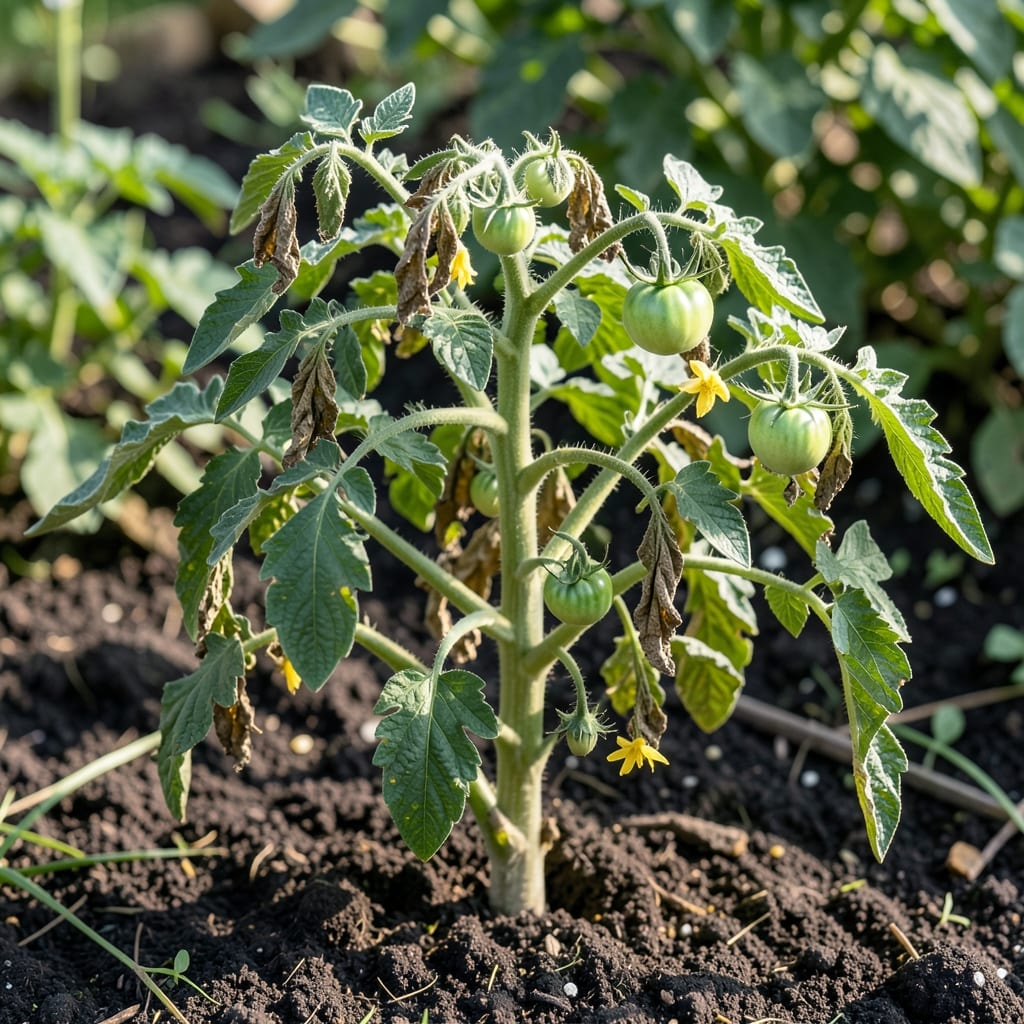
That sinking feeling when you see drooping leaves never gets easier. I’ve lost count of how many plants I’ve revived from the brink by acting fast and diagnosing the real issue.
Most wilting comes down to 3 things: too little water, too much water, or something attacking the roots. The fix is simpler than you think once you know which one you’re dealing with. My garden journal is full of notes from learning this the hard way.
You can often bring a plant back within 24-48 hours with the right approach. The key is checking the soil first—dry means water, soggy means stop and let it recover.
Works for houseplants, vegetables, and flowers alike. The same principles apply whether it’s in a pot or in the ground.
Wilting is your plant’s SOS signal—something is disrupting its ability to stay hydrated and upright. Below are the most common scientific causes behind the droop, along with clear explanations to help you diagnose the issue fast.
When temperatures soar, plants lose water faster through transpiration (the process of water evaporating from leaves). If the roots can’t absorb water quickly enough to replace what’s lost, the plant’s cells lose turgor pressure, causing wilting. Action: Move the plant to shade during peak heat (10 AM–4 PM) and ensure the soil stays consistently moist.
Too little water means the plant can’t maintain cell rigidity. Conversely, overwatering or poor drainage suffocates roots, preventing them from absorbing water and oxygen—a condition called edema. Check the soil: if it’s bone-dry or soggy, adjust your watering routine. Use a moisture meter for precision.
Pests like aphids, spider mites, or root-knot nematodes damage vascular tissues, impeding water and nutrient transport. Inspect the undersides of leaves and roots for signs of invaders. Action: Treat with neem oil or insecticidal soap, and isolate affected plants to prevent spread.
Pathogens such as Fusarium wilt or Verticillium clog the plant’s xylem (water-conducting vessels), blocking water flow. Look for yellowing leaves, blackened stems, or moldy soil. Action: Remove infected parts, improve airflow, and apply a copper-based fungicide. Sterilize tools to avoid contamination.
If roots are circling the pot (root-bound), they can’t absorb water efficiently. Similarly, a lack of potassium or magnesium weakens cell walls, leading to limp foliage. Action: Repot cramped plants into a larger container and fertilize with a balanced formula (e.g., 10-10-10) to restore nutrient levels.
Don’t panic—your plant can often bounce back with the right care! Below are targeted fixes for common causes of wilting, plus prevention tips to keep your greens thriving long-term.
Give your plant a deep, slow drink at the base until water drains from the bottom. For potted plants, submerge the container in a water bath for 10–15 minutes to rehydrate the root ball. Prevention tip: 💡 Check soil moisture 1–2 inches down—water when it feels dry. Use self-watering pots or mulch to retain moisture.
Stop watering immediately and move the plant to a shaded, well-ventilated area. Tip the pot to drain excess water, and consider repotting into fresh, well-draining soil if root rot is suspected. Prevention tip: ✨ Use pots with drainage holes and a moisture meter to avoid soggy soil.
Move the plant away from direct sunlight or heat sources. Mist the leaves lightly or place a tray of water nearby to add humidity. For outdoor plants, provide shade with a cloth or relocate to a cooler spot. Prevention tip: 🌡️ Acclimate plants gradually to sunlight and monitor them during heatwaves.
Inspect leaves and stems for pests like aphids or spider mites. Wipe them off with a damp cloth or spray with neem oil or insecticidal soap. Isolate the plant to prevent spreading. Prevention tip: 🎯 Regularly check for pests and keep the growing area clean.
Use a balanced, diluted fertilizer to avoid shocking the plant. Yellowing leaves may signal a lack of nitrogen, while weak stems suggest potassium or phosphorus needs. Prevention tip: 📊 Follow a consistent feeding schedule and use slow-release fertilizers for steady nutrition.
Stick your finger 1-2 inches into the soil. If it’s bone-dry, it needs water. If soggy, it’s overwatered. Underwatered plants have dry, crispy leaves while overwatered ones have yellow, mushy leaves.
Most plants show improvement in 24-48 hours with proper care. If it’s from underwatering, recovery can be quick. Overwatering or disease may take longer. Don’t lose hope too soon!
For underwatering, submerge the pot in water for 10-15 minutes. For heat stress, move to shade and mist. Act quickly—delay makes recovery harder.
Only if caused by pests or disease. Isolate affected plants immediately. Healthy plants won’t wilt from proximity to a thirsty neighbor.