
Beautiful Plants For Your Interior
Beautiful Plants For Your Interior
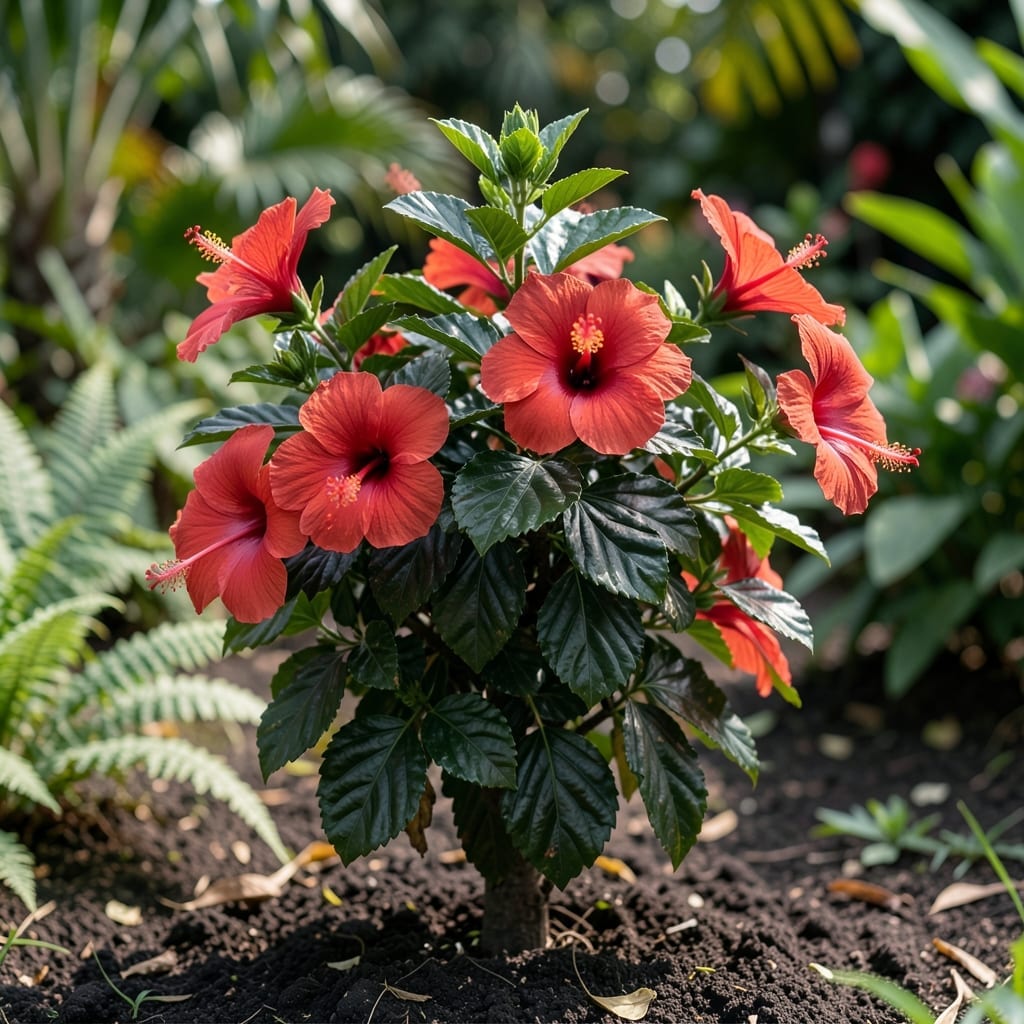
Nothing beats the frustration of watching your 🌺 Hibiscus struggle when the weather turns against it. Those vibrant blooms we all love are surprisingly sensitive to temperature swings.
Getting the conditions right can mean the difference between a thriving plant and one that barely survives. The good news? A few simple adjustments can transform your growing experience.
I’ve learned through trial and error what works—and what doesn’t—when it comes to keeping Hibiscus happy. These plants have specific needs that aren’t always obvious at first glance.
Discover how to create the perfect environment for your 🌺 Hibiscus, no matter where you’re growing it. Your garden will thank you.
If you want vibrant hibiscus blooms, getting the temperature right is non-negotiable. I’ve seen gardeners struggle with stunted growth or no flowers simply because their plants were outside their ideal range. The good news? Hibiscus isn’t overly fussy once you know its preferences.
There are two main types to consider: tropical hibiscus and hardy hibiscus. Each thrives in slightly different conditions, so I’ll break down what works best for both. This way, you can tailor your care to your specific variety for maximum blooms and healthy foliage.
| Hibiscus Type | Ideal Day Temp | Ideal Night Temp | Minimum Temp | USDA Zones |
|---|---|---|---|---|
| Tropical Hibiscus | 70-90°F | 60-70°F | 50°F | 9-11 |
| Hardy Hibiscus | 60-85°F | 50-60°F | 20°F | 5-8 |
For tropical hibiscus, think warm and consistent. These plants love 70-90°F during the day and can tolerate a slight drop to 60-70°F at night. But be warned: temperatures below 50°F can cause serious stress, leading to leaf yellowing or bud drop. They’re perfect for zones 9-11.
Hardy hibiscus, on the other hand, can handle a bit more chill. They do best in 60-85°F during the day and 50-60°F at night. The real advantage? They can survive brief dips to 20°F, making them ideal for zones 5-8. This resilience makes them a favorite for gardeners in cooler climates.
I always recommend checking your local USDA zone before planting. If you’re in a borderline area, hardy hibiscus might be your best bet for year-round success. For those in warmer regions, tropical varieties will reward you with bigger, bolder blooms.
Seasonal changes matter too. In summer, both types will thrive as long as they’re not exposed to scorching heat above 95°F for prolonged periods. In spring and fall, watch for late frosts or early cold snaps that can damage new growth. A little frost cloth can be a lifesaver during these transitions.
If you’re growing hibiscus in containers, you have more flexibility. I’ve found that potted tropical hibiscus can be moved indoors when temperatures drop below 50°F. Just place them near a sunny window and maintain consistent moisture to keep them happy.
For outdoor plants, mulching is your best friend. A 2-3 inch layer of organic mulch helps regulate soil temperature and protects roots from extreme fluctuations. This is especially important for hardy hibiscus in the winter months.
Remember, temperature stress often shows up as wilting or leaf drop. If you notice these signs, check your thermometer and adjust your care routine. With the right conditions, your hibiscus will reward you with stunning blooms all season long 🌺
When the mercury spikes or plummets, your Hibiscus needs extra care to thrive. I’ve seen firsthand how heatwaves can scorch leaves and cold snaps can halt growth overnight.
Shade cloth and drip irrigation are lifesavers during scorching summer days. A thick mulch layer keeps roots cool and moist, preventing stress.
For cold protection, I wrap potted Hibiscus in burlap or move them to a sheltered garage. In-ground plants benefit from a thick straw layer around the base.
Watering schedules need adjustment too. In heat, I water early morning to reduce evaporation. In cold, I cut back to prevent root rot in damp soil.
Watch for wilting leaves or yellowing edges—these are early signs of temperature stress. Catching them early lets me act before damage becomes permanent.
With these strategies, my Hibiscus plants stay resilient through seasonal extremes. A little prevention goes a long way in keeping them blooming beautifully 🌺