
Beautiful Plants For Your Interior
Beautiful Plants For Your Interior
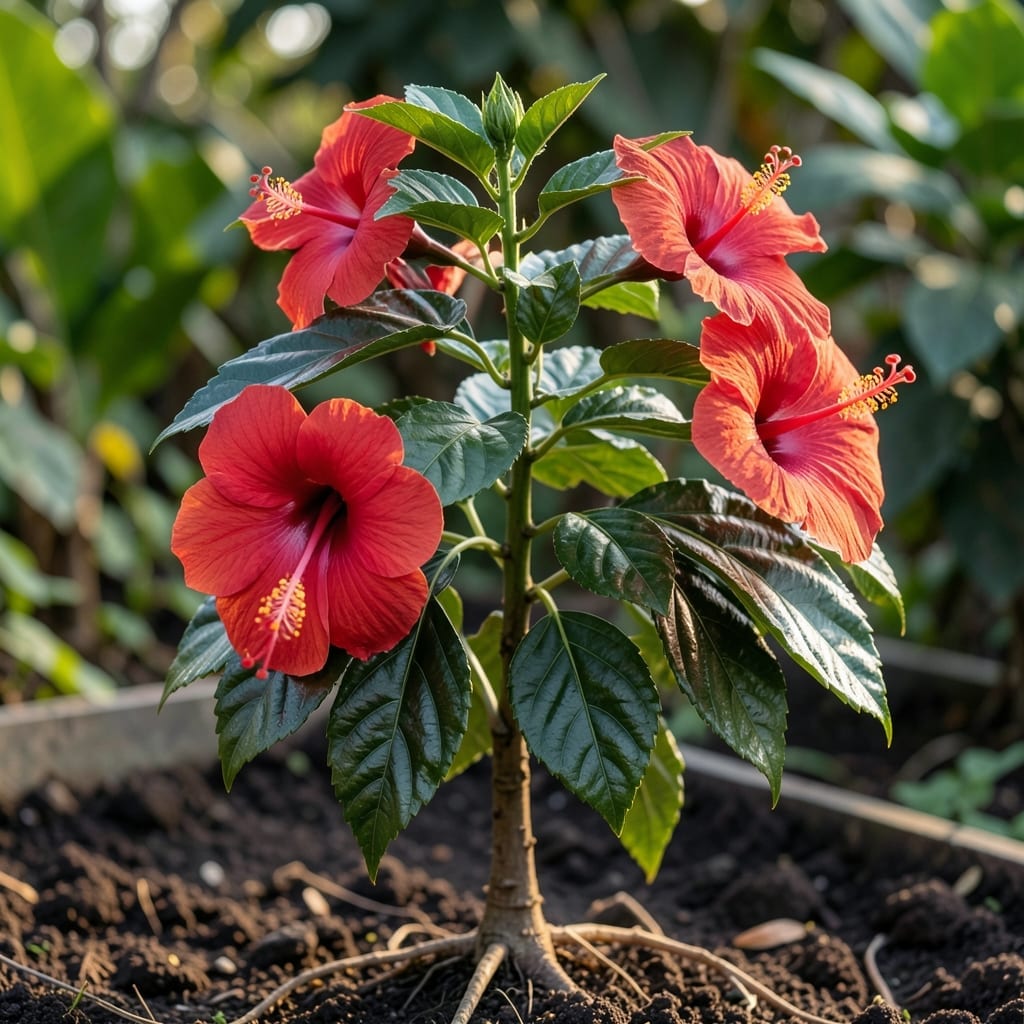
Tropical hibiscus brings vibrant, exotic blooms to any garden, but its sensitivity to temperature can make or break its success. I’ve seen too many gardeners lose their 🌺 Tropical Hibiscus to unexpected cold snaps or scorching heat waves.
Understanding the ideal temperature range is the key to keeping these stunning plants thriving year-round. Whether you’re in zones 9-11 or trying to grow them elsewhere, the right conditions make all the difference.
From wilting leaves to stalled blooms, temperature stress shows up in obvious ways. The good news? With a few adjustments, you can create the perfect environment for your Tropical Hibiscus to flourish.
Discover how to protect your plants from extreme temperatures and keep those gorgeous flowers coming all season long. Let’s get started.
If you want vibrant blooms from your tropical hibiscus, getting the temperature right is crucial. These plants thrive in warm climates and prefer a consistent range to produce those stunning flowers we all love.
The ideal temperature range for tropical hibiscus is between 60°F and 90°F. Within this zone, they grow vigorously and bloom abundantly, making them a standout in any garden. ☀️
| Requirement | Specification |
|---|---|
| Ideal Range | 60-90°F |
| Minimum Survival | 40°F (short-term) |
| Heat Tolerance | Up to 100°F (with care) |
| USDA Hardiness Zones | 9-11 |
| Frost Sensitivity | High – will die in frost |
Below 60°F, tropical hibiscus starts to struggle. Growth slows down, and flower production may decrease significantly. If temperatures dip below 50°F, you’ll likely see yellowing leaves and bud drop.
On the other end, while they can tolerate up to 100°F for short periods, prolonged exposure to extreme heat can cause heat stress. Watch for wilting or leaf scorch during heatwaves. Shade cloth can help during peak afternoon sun.
In USDA zones 9-11, you can grow tropical hibiscus outdoors year-round. In cooler zones, you’ll need to overwinter indoors or treat them as annuals. A sunroom or greenhouse is perfect for winter protection.
For the best blooms, aim for that 60-90°F sweet spot. In this range, your hibiscus will reward you with continuous flowering and lush foliage throughout the growing season.
If you’re growing in containers, remember that potted plants are more sensitive to temperature swings. Move them to a sheltered location during cold snaps or extreme heat to maintain stability.
I’ve found that morning sun and afternoon shade work wonders in hotter climates. This setup protects the plants from intense midday heat while still providing enough light for robust growth.
Monitor your local weather forecasts closely. A sudden cold front can damage your hibiscus overnight, so be prepared to cover plants or move them indoors when temperatures are expected to drop below 50°F. 🌡️
I’ve seen tropical hibiscus suffer when temperatures dip below 50°F or spike above 95°F. These extremes disrupt their blooming cycles and weaken foliage. Catching stress signs early can save your plants from lasting damage.
Watch for wilting leaves or leaf scorch during heatwaves, which signal the plant is losing moisture faster than it can absorb. In cold snaps, yellowing leaves or bud drop often appear first.
⚠️ Temperature Stress Alert
Heat stress causes crispy leaf edges and drooping blooms. Cold stress leads to blackened stems and stunted growth.
To fix heat stress, move your tropical hibiscus to a shaded area and increase watering frequency. Ensure the soil stays moist but not waterlogged. Mulching helps retain moisture and cool the roots.
For cold stress, bring potted plants indoors or cover garden specimens with frost cloth. A heat lamp can provide temporary warmth, but avoid placing it too close to prevent leaf burn.
Prevention is key. Monitor daily temperature forecasts and adjust care routines accordingly. In extreme climates, consider growing hibiscus in containers for easy relocation.
With these steps, I’ve successfully revived stressed hibiscus and restored their vibrant blooms. Consistent attention to temperature changes ensures your plants stay healthy and beautiful year-round.